
Baker making several trays
You want to make several batches in one baking session, so you’re looking at fan-assisted cooking, tray space and shelf levels. Remember to measure the trays you plan to use.


For a small batch, choose a compact oven that fits your dish or baking tray. If you want to use several trays or make different apple bakes, a larger fan oven is a sensible option. For pastry-based apple bakes, conventional top-and-bottom heat is a useful starting point. Be sure to measure the oven cavity and check where the appliance can be placed.
You want to make several batches in one baking session, so you’re looking at fan-assisted cooking, tray space and shelf levels. Remember to measure the trays you plan to use.
You’re baking a modest weekend treat and want an oven that fits on your worktop. The dimensions of your own oven dish are key.
You want to be able to choose the right oven setting for recipes such as apple puff pastry. Conventional top-and-bottom heat and fan-assisted cooking give you a choice of baking settings.
First decide whether you’ll bake one dish at a time or need more oven space. Then choose a suitable heating setting and check whether the oven can sit in your kitchen or be built in.
Best for: baking one small batch at a time and making the most of limited worktop space.
Bear in mind: the baking space is limited, so check that your dish or tray will fit.
Best for: anyone looking for more baking space or wanting to use several shelf levels.
Bear in mind: the space available and the model’s installation or ventilation instructions.
| What to consider | What to look for | Who it matters to |
|---|---|---|
| Baking area and capacity | Compare the internal dimensions and tray size with your own dish or baking tray. Also check how many shelf levels there are. | I want to make several batches in one session and need to know whether my trays will fit. Around 40% of consumers give baking area and capacity top priority. |
| Heating setting | Check which settings are available individually and follow the setting in your recipe. Fan-assisted cooking can dry bakes out more quickly. | I want to adapt my apple recipe, especially if I’m baking with pastry or want a drier result. Around 30% of consumers prioritise having the right baking setting. |
| Positioning and connection | Measure the available space or kitchen cabinet opening, and check the installation instructions and connection requirements for the exact model. | My choice mainly depends on the space in my kitchen and whether I can fit a freestanding or built-in model. Around 20% of consumers say positioning is their main priority. |
| Use and aftercare | Where the regulations apply, check the energy consumption per standard cycle. Also look into cleaning options and any additional warranty terms. | I want to know in advance what cleaning and aftercare my choice involves, and what support is available if something goes wrong. Around 10% of consumers put running costs and aftercare first. |
The capacity in litres alone won’t tell you whether your dish or baking tray will fit in the oven. With built-in ovens, the usable internal dimensions may be smaller than you’d expect from the stated capacity.
Measure your largest dish and compare its dimensions with the oven cavity and the accessories included.
If your dish doesn’t fit, you may need another baking tin or have to bake in several batches.
According to the Consumentenbond, combi microwaves often don’t have bottom heat. This may matter for the bakes that need this setting.
If you mainly want to make pastry-based apple bakes, check the settings on the exact model.
The European Commission gives small ovens as an example of appliances that fall outside the scope of the oven energy-labelling rules discussed.
First check whether the rules apply to the type of appliance in question. Don’t compare the absence of a label with an energy rating on its own.
According to the Dutch government, there is no fixed statutory guarantee period in the Netherlands. If a product is faulty, the retailer is your point of contact; an additional warranty is separate cover.
Check exactly what extra cover is included before choosing it.
Offers everything from very compact freestanding ovens to larger models with circulating-air settings.
Built-in ovens are an option if your kitchen has a suitable cabinet opening and you want to use fan-assisted cooking as well as conventional heat.
Its built-in ranges include a variety of features, including fan-assisted cooking and, on some models, steam support.
Freestanding mini ovens are an alternative if you’re not looking for a built-in oven.
Here you’ll find freestanding ovens in a range of sizes, plus a built-in oven for anyone who has checked their available cabinet space and installation requirements.
 No image available
An option if you’re looking for a larger freestanding oven. Check that its dimensions and positioning instructions suit your kitchen.
Listed capacity: 65 litres. Power according to the product name: 2000 W.
 No image available
An option if you’re looking for a built-in oven with 3D Hotair and can check the cabinet opening and installation requirements in advance.
Listed capacity: 71 litres. Check the cabinet dimensions and connection requirements for this exact model.
 No image available
An option if you’re looking for a compact freestanding oven with a choice of heating methods.
Check that the baking tin size and settings on this model suit your dish and recipe.
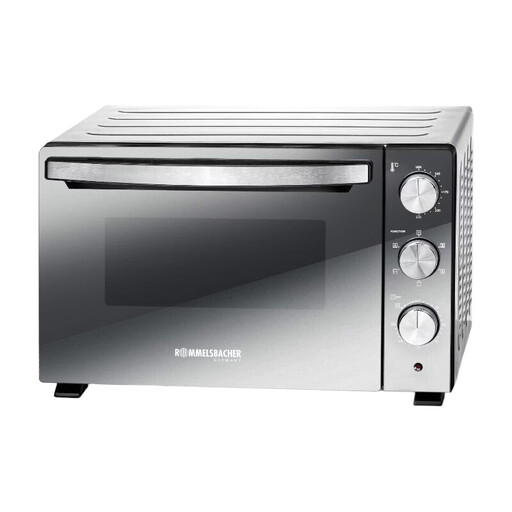 No image available
An option if you’re looking for a freestanding oven for different types of baking. Check which heating settings are available on the exact variant.
The product information lists manual cleaning.
 No image available
A compact option for one small batch at a time, provided your dish fits in the available baking space.
The manufacturer lists a 10-litre capacity, top-and-bottom heat and dishes up to 20 cm in diameter. Check the size of your own dish.
No. Start by following the oven setting in the recipe. Conventional top-and-bottom heat and fan-assisted cooking heat food in different ways, and fan-assisted cooking can dry a bake out more quickly. Keep an eye on it if you use a different setting.
Measure your dish and compare it with the usable internal dimensions of the exact model. The Consumentenbond also recommends taking the largest dish you use into account when comparing ovens. The capacity in litres alone won’t tell you whether it will fit.
No. The European Commission gives small ovens as an example of appliances that fall outside the scope of the oven energy-labelling rules discussed. Only compare energy labels for models covered by those rules.
The relevant safety requirements apply to electrical household appliances that fall within the scope of the EU Low Voltage Directive. Where CE marking is mandatory, a non-compliant product must not be placed on the market; the requirement itself does not confirm that an individual model is compliant.
No. According to the Dutch government, there is no fixed statutory guarantee period in the Netherlands. You’re entitled to a product that works properly, and if there’s a fault, the retailer is your point of contact. Check what cover any additional warranty provides.