What should you look for?
Start with your baking tray and the space available. Then consider the oven settings you need and how you’ll use the oven after the workshop.
| What to consider |
What should you check? |
Who is this important for? |
| Space for portions and baking trays |
Measure the baking tray, including its edges, and compare it with the internal dimensions, runners and usable shelf positions. |
If I want to cook several portions at once, I need to know whether my loaded trays will actually fit. Around 36% of consumers give space for portions and baking trays their top priority. |
| Positioning and connection |
For a built-in oven, check the exact dimensions of the housing unit and appliance. For a freestanding model, check the available space and the positioning and connection instructions. |
If the workshop venue doesn’t have a suitable built-in space, the oven needs to fit in an appropriate spot. Around 29% of consumers say positioning and connection are their main concerns when choosing. |
| Cooking settings and safe food handling |
Check which fan and baking settings the exact model offers, and set aside separate utensils for raw chicken. |
If I’m cooking chicken and vegetables during a workshop, I want to know which settings suit my plans and keep raw food separate from cooked food. Around 21% of consumers prioritise control over cooking and safe food handling. |
| Cleaning and energy use |
Check the cleaning method and, where an energy label is available, compare the consumption in kWh per cycle for the same oven function. |
For regular workshops, I want to factor in cleaning and the energy used by the setting I choose. Around 14% of consumers give running costs, such as cleaning and energy, their top priority. |
Ovens at Joybuy
These models include a choice of freestanding and built-in ovens, with different listed settings and baking options to compare with your workshop plans.
 No image available
HAUSWIRT C40 fan oven
Worth considering if you want to include multiple shelf levels and a thermometer in your workshop plans.
35 litres; fan function; thermometer; four-tier baking rack; LED display.
View at Joybuy
 No image available
Wiggo WMO-E657(B), 65 litres
A freestanding model to compare if there’s no suitable space for a built-in oven and you have room to position the oven.
65 litres; six oven functions; turbo fan; enamel interior; 90-minute timer.
The instructions specify manual cleaning and say to keep the ventilation openings clear.
View at Joybuy
 No image available
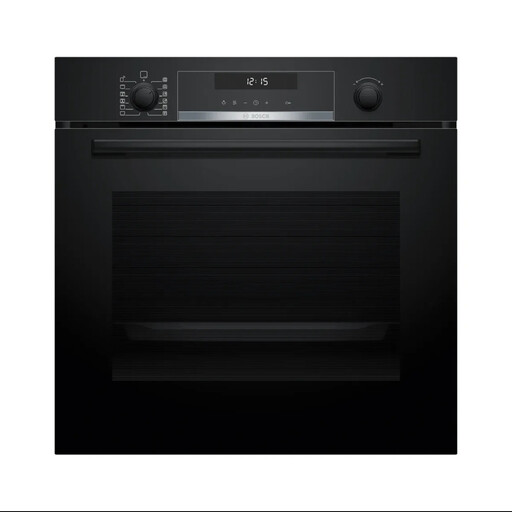
Bosch HBG578EB7 built-in oven
A built-in option to consider if it fits your housing unit and you want to compare its stated multi-level cooking features.
71 litres; 3D Hotair on up to three levels; Air Fry; Home Connect; pyrolytic cleaning.
View at Joybuy
 No image available
Severin TO 2074, 4-in-1 oven
A compact freestanding option to compare if you’re planning a smaller cooking session and need a fan function.
Around 30 litres; fan function; top and bottom heat; grill; powered rotisserie; two hotplates.
The instructions say to place it on a stable, heat-resistant surface with sufficient ventilation.
View at Joybuy
 No image available
Wiggo WMO-E456(W), 45 litres
A freestanding oven to compare if you want to factor fan circulation and a rotisserie option into your choice.
45 litres; fan circulation; top and bottom heat; grill; rotisserie.
The instructions call for a stable, level, heat-resistant surface and clear ventilation openings.
View at Joybuy
Frequently asked questions
Is an oven of around 60 or 70 litres automatically big enough for your baking tray?
No. The capacity in litres doesn’t tell you whether your tray will fit. The Consumers' Association recommends comparing the internal dimensions with the largest oven dish you plan to use. Also measure your tray and check the available runners and shelf positions.
How can you handle raw chicken safely during a workshop?
Cook chicken all the way through and keep any utensils that have touched raw chicken separate until they’ve been washed. The Netherlands Nutrition Centre advises against washing raw chicken and recommends washing utensils before using them with other ingredients.
What energy consumption can you compare between ovens?
For ovens with an energy label, compare the stated consumption in kWh per cycle for the same function, such as the fan setting. Energy Label.nl states that small or portable ovens don’t have an energy label.
What can you do if an oven you bought as a consumer is faulty?
Under Dutch government guidance, a faulty product may entitle you to a free repair, replacement or refund. The Netherlands doesn’t have a fixed statutory guarantee period; if there’s a problem, contact the seller.
Is an HACCP plan required for every cooking workshop?
That depends on the organiser’s activity, not just on whether it’s called a ‘cooking workshop’. The Netherlands Food and Consumer Product Safety Authority describes the requirements for food businesses, including hospitality and catering. Whether a particular organiser is covered depends on the actual circumstances. Safe handling of chicken remains important at every workshop.


