
Baking for a larger table
You want to bake enough cheese scones at once. So compare the usable baking tray space and shelf positions, rather than just the capacity in litres.


When choosing an oven for cheese scones to share, focus on the usable baking tray space and the oven setting your recipe calls for; the capacity in litres doesn’t tell you how many scones will fit at once. Good Food’s recipe specifies 200 °C using conventional heat or 180 °C using a fan oven, with a preheated baking tray. Milieu Centraal says that a large oven uses around 20% more energy than a medium-sized one to cook a dish.
You want to bake enough cheese scones at once. So compare the usable baking tray space and shelf positions, rather than just the capacity in litres.
You’re looking for a freestanding oven that fits on your worktop, with an oven setting and baking tray to suit your recipe.
You’re considering a combination microwave and want to check that its oven function and available baking space are large enough for your batch.
A good fit if: you don’t have a suitable built-in space and can make enough room on your worktop.
Bear in mind: the external dimensions and ventilation clearance; you may need to bake in several batches.
A good fit if: you have a suitable housing space and connection, and the tray space works for the quantity you plan to bake.
Bear in mind: the housing space, connection and installation requirements must all be suitable for your chosen model.
A good fit if: you want to use a microwave as well as bake, and the oven setting and baking space suit your recipe.
Bear in mind: check the oven function and the size of the tray or turntable for the exact model; the word ‘combination’ doesn’t tell you enough about its baking capabilities.
| What to consider | What should you check? | Which consumers? |
|---|---|---|
| Enough scones per batch | Compare the usable interior space and baking tray with the number of scones you want to bake, leaving space between them. | If I want to bake enough scones in one batch for a shared meal, I focus mainly on the usable tray space. Around 36% of consumers prioritise having enough room for a full batch. |
| Oven setting for the recipe | Check that the model offers the specified temperature and oven setting, and that a suitable baking tray is available. | If you want to follow the recipe instructions precisely, pay particular attention to the temperature setting and oven function. Around 29% of consumers prioritise having the right settings for their recipe. |
| Suitable placement | For a built-in oven, compare the housing dimensions and connection; for a freestanding model, check the external dimensions and ventilation requirements. | If my worktop or built-in space determines my choice, I want to know in advance whether the appliance will fit there safely. For around 21% of consumers, placement is the most important constraint when choosing. |
| Additional uses and energy consumption | Decide whether you need a microwave function and, where possible, compare energy use per standard baking programme. Milieu Centraal says that a large oven uses around 20% more energy than a medium-sized one to cook a dish. | If you also want to reheat food or place a lot of importance on energy consumption, compare these features and energy use alongside the baking capabilities. Around 14% of consumers prioritise this balance. |
The usable space may be smaller than the oven’s stated capacity. For cheese scones, what matters most is how many will fit on the baking tray with space between them.
Compare the internal dimensions and the size of the supplied or intended baking tray with the batch you plan to bake.
If one batch isn’t enough, you may need extra time to bake several batches.
Combination microwaves vary in their oven settings, shelf positions and available baking space.
For the exact model, check the oven function, temperature and the size of the baking tray or turntable.
A built-in oven must fit the housing space and connection. A freestanding appliance needs room to release heat.
Measure in advance and check the model’s installation requirements.
Depending on your circumstances, installation or return costs may apply; check the terms in advance.
Freestanding ovens, including the OV307B as an example model.
Built-in ovens, including the 60 × 60 cm HBA534BS3.
Built-in ovens and combination microwaves, including the OM316MZ and CM232ZT.
Built-in ovens, including the EOE6P46Z.
Compact baking and toaster ovens, including the 14-litre TO 2042.
The products below include freestanding ovens, built-in ovens and combination microwaves. For each model, compare the baking space and oven setting with your recipe and batch.
 No image available
A freestanding model with a listed baking function and two cooking zones; check that the available space suits your batch.
23 litres’ total capacity across two cooking zones; 15 programmes. The capacity is for the whole appliance, not for an individual zone.
 No image available
A combination microwave for those who also want to use a microwave; check that the oven function and available baking space suit your recipe.
25-litre capacity, 270 mm turntable, supplied baking tray and convection with a temperature range of 110–210 °C.
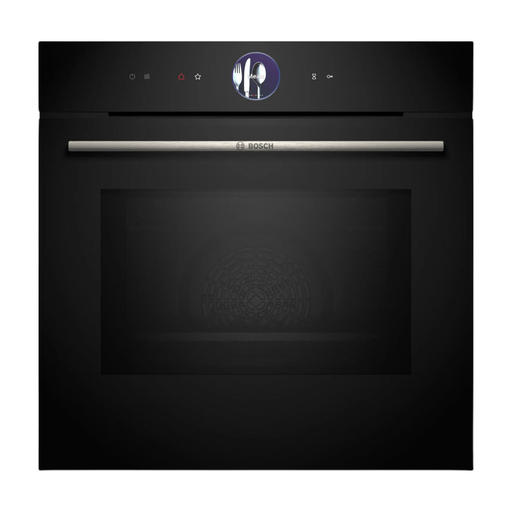 No image available
A built-in model for those who want microwave functions as well as an oven; check that the housing space and connection match the installation specifications.
71-litre capacity, five shelf positions, 4D fan cooking, a temperature range of 30–300 °C and a supplied baking tray.
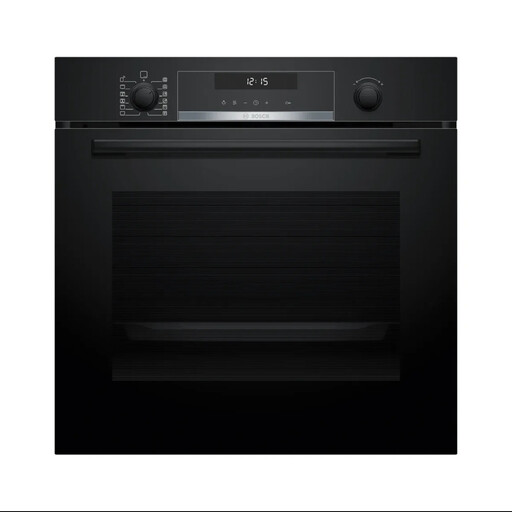 No image available
A built-in oven for cheese scones, provided its oven settings suit your recipe and the available housing space is suitable.
71-litre capacity, conventional heat, a fan oven and 3D fan cooking across up to three shelf levels; temperature range 30–275 °C.
 No image available
A freestanding model with oven and hob functions; allow for ventilation clearance and check that the baking space suits your batch.
30-litre capacity, conventional heat, a fan oven, two hotplates and a temperature range of 100–230 °C.
Follow the recipe you’re using. Good Food’s cheese scone recipe calls for a preheated oven and baking tray, at 200 °C using conventional heat or 180 °C using a fan oven.
Yes, if the specific model has a suitable oven function and enough room for your baking tray or turntable. A microwave function on its own isn’t an oven setting; check the manual for the temperature and accessories.
Follow the installation and ventilation requirements for your chosen model, and make sure heat can escape. Brandweer Nederland emphasises that electrical appliances need room to release heat. Clean the oven according to the model’s manual.
For a standard online purchase, you generally have a statutory cooling-off period of up to 14 days after delivery, subject to applicable exceptions. You’re also covered by the statutory guarantee: if a product used normally doesn’t meet what you could reasonably expect, the seller is responsible for providing a solution. ACM ConsuWijzer explains these rights; also check the terms for delivery, installation and returns separately.