
Workshop leader working with a group
You want to bake several portions within the time available for the workshop. Compare the usable tray space, any shelf levels and how many batches you can fit into your schedule.


Start by considering how many scones will fit on a suitable baking tray at once, the oven setting required by your recipe and the space available. The oven’s capacity in litres alone won’t tell you how many scones you can bake in one batch. A spacious freestanding oven could suit a temporary workshop space, while a built-in oven with multiple shelf levels may be a good option for a permanent kitchen. A compact countertop oven may mean baking more batches. Also check the power connection, ventilation clearance and terms for your intended use.
You want to bake several portions within the time available for the workshop. Compare the usable tray space, any shelf levels and how many batches you can fit into your schedule.
You don’t have a suitable built-in space and need to position and connect a freestanding oven. Consider the worktop space available and the ventilation guidance when making your choice.
You can install a built-in oven and want to consider whether you can bake on multiple trays in one batch. Check how many shelf levels the specific model supports and which oven setting your recipe requires.
Suitable for: limited space and small batches.
Bear in mind: a small baking tray may mean you need to bake more batches for a group.
Suitable for: a workshop space without a suitable built-in space, where more tray space is needed.
Bear in mind: the oven takes up worktop space, and its capacity in litres doesn’t determine how many scones will fit on the tray.
Suitable for: a permanent kitchen with a suitable built-in space, if you want to use multiple trays in one batch.
Bear in mind: check whether the specific model and chosen oven setting are suitable for baking on multiple levels.
| What to consider | What to check before buying | Who should pay particular attention? |
|---|---|---|
| Scones per batch | Compare the internal dimensions and the supplied baking tray with the number of shaped scones, allowing space between them. Then work out how many batches will fit into the workshop. | If you’re baking for a group, you’ll want to know how many portions will actually fit side by side. Around 36% of consumers considering an oven for this type of workshop mainly want to bake enough scones per batch. |
| Oven setting and temperature | Use your chosen recipe as a guide and check that the oven supports the required setting. According to the Netherlands Nutrition Centre (Voedingscentrum), switching from conventional baking to fan-assisted baking generally calls for a lower setting; follow the instructions for the recipe in question. | If you want everyone to follow one clear setting during the workshop, choose an oven setting that suits the recipe. Around 29% of this group mainly want to be able to follow the recipe’s specified setting accurately. |
| Positioning and connection | Measure the available space or built-in recess, and consult the manual for clearance and connection requirements. The Fire Service advises plugging high-powered appliances directly into a socket, not into an extension lead or cable reel. | If you need to position the oven in a temporary space, you’ll want to know in advance whether it will fit and can be connected safely. Around 21% of this group mainly need an oven that can be positioned suitably and safely. |
| Use and maintenance | Where possible, compare energy consumption on a like-for-like basis. Also check how to clean the oven interior and trays, and what service terms apply to your intended use. | For regular workshops, energy use, cleaning and service may all matter alongside baking capacity. Around 14% of this group mainly weigh up these running costs and maintenance requirements. |
Capacity doesn’t tell you how many shaped scones will fit side by side. The usable baking tray and internal dimensions also help determine how many batches you’ll need.
Measure the tray space you need and check which baking tray is included before choosing a model.
The oven setting can affect the temperature required. When switching to fan-assisted baking, the Netherlands Nutrition Centre generally recommends using a lower temperature.
Choose one recipe and its corresponding oven setting for the workshop, and check the first batch as it bakes.
An oven needs room to release heat and must be positioned according to the manufacturer’s instructions. The Fire Service advises plugging high-powered appliances directly into a socket.
Check the dimensions, the clearance required in the manual and the available connection before positioning the oven.
The terms that apply may depend on who buys the oven and how it is used.
Check who the buyer is and ask the seller which warranty and service terms apply to your intended use.
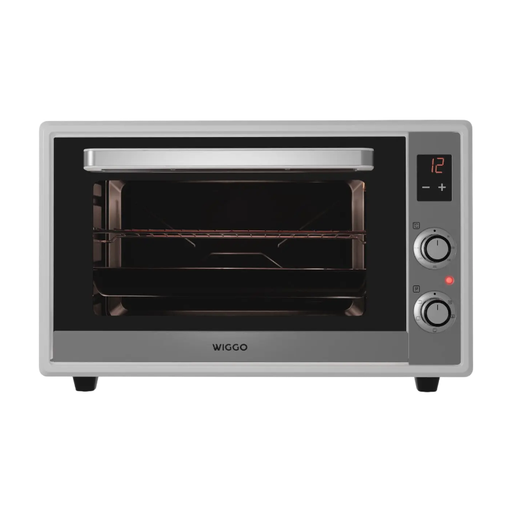
The freestanding OV607B is a useful reference for a workshop space without a suitable built-in recess, if you’re looking for a spacious oven.
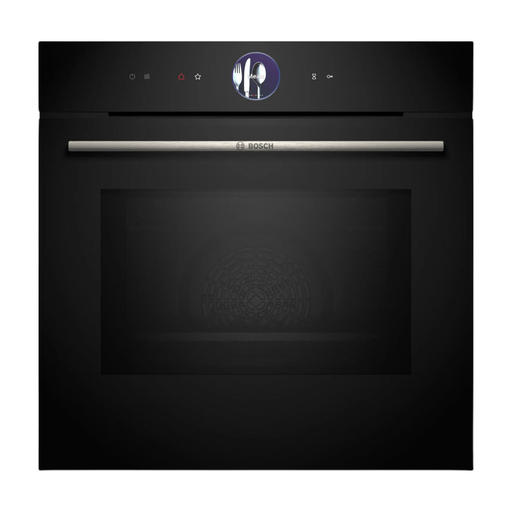
The HBA534BB3 built-in oven is worth considering for a permanent teaching kitchen where you want to bake on multiple shelf levels.
The BG 1805/E is a freestanding model to compare with compact countertop ovens and larger freestanding ovens.
The TO 2068 is a compact baking and grilling oven for small batches.
The TU5PB40NCK built-in oven is an alternative to consider for a permanent kitchen where you want to bake on two levels.
This selection includes freestanding and built-in ovens for workshops. Choose one that suits the space available, and check that the baking tray and oven setting meet your recipe’s requirements.
 No image available
A freestanding model to consider if the workshop space doesn’t have a built-in recess; check that the baking tray suits the number of scones you want to bake per batch.
65 L capacity, 2000 W and six functions. The product description lists four shelf positions; the turbo fan is optional.
 No image available
A built-in model to consider for a permanent kitchen; check the recess and baking tray before working out how many scones will fit per batch.
71 L capacity, 3D Hot Air, pyrolytic cleaning and Home Connect. The product description lists a baking tray and five shelf levels.
 No image available
A built-in oven for a permanent kitchen. The product description lists baking on up to three levels; check that the chosen setting and trays suit your recipe.
71 L capacity, 3D Hot Air and a stainless steel finish. The description lists four shelf positions and an Air Fry function.
 No image available
A built-in model for a permanent kitchen; check the recess and whether the available oven settings suit the recipe you’ll use for the workshop.
66 L capacity, five programmes, ecoClean and rapid preheating. The product description lists top and bottom heat, 3D fan-assisted cooking, 50–275 °C and baking on three levels.
 No image available
A built-in oven to consider for a permanent kitchen. The product description lists up to three baking levels; check which setting is suitable for your recipe.
71 L capacity, 3D HotAir and EcoClean Direct. The product description also lists Cleaning Assistance and retractable controls.
Follow the recipe you’ll be using during the workshop. The specified preheating instructions and temperature won’t necessarily apply to every cheese scone recipe.
Don’t assume so without checking the setting: when switching from conventional baking to fan-assisted cooking, the Netherlands Nutrition Centre generally advises reducing the temperature by around 10%. Follow the instructions for your chosen recipe and check the first batch as it bakes.
Check the manual for the required built-in or ventilation clearance and connection. The Fire Service advises allowing appliances to release heat and recommends plugging high-powered appliances directly into a socket, rather than using an extension lead or cable reel.
For a consumer purchase in the Netherlands, the Dutch government says the seller must provide a solution if a product is faulty. Check separately which terms apply if the oven is bought or used for professional workshops.
This depends on how the workshop is run. The Netherlands Food and Consumer Product Safety Authority (NVWA) states that food safety rules also apply to individuals who occasionally sell food or drink; if you sell to customers, you must provide information about any allergens present. Check which registration and hygiene requirements apply to your situation.