
Vandaag of morgen in huis

Kwaliteit gegarandeerd

Welkomstaanbiedingen ontgrendelen: GRATIS bezorging | Tot 80% korting | Gratis 30 dagen JoyPlus-proefperiode
Download de app
Buying an oven may seem straightforward until you compare a mini oven, a freestanding oven and a built-in oven. In practice, capacity, power rating, features and installation all affect how easy an oven is to use. A large display or a long list of programmes doesn’t automatically make an oven user-friendly.
Look out for these common pitfalls:
A mini oven sits on a heat-resistant worktop and is handy in a smaller kitchen, student room, holiday home or as an extra oven. Models with a capacity of 30 to 45 litres are suitable for pizzas, oven dishes and smaller baking tins. A 35-litre oven takes up less space, while a 45-litre model offers more flexibility.
A 60- to 65-litre freestanding oven can be a practical middle ground if you don’t have space for a built-in model. Make sure there’s enough ventilation space around the appliance. The Wiggo WMO-E657, for example, is 60 cm wide, 40 cm high and 49 cm deep. The manufacturer lists five shelf positions, six functions, a turbo fan and a capacity of 65 litres.
A built-in oven is fitted into a kitchen cabinet. The outside width is often around 60 cm, but the required housing dimensions vary from model to model. Measure the space at three points and compare it with the manufacturer’s technical drawing.
A 60 cm oven typically has a capacity of around 66 to 76 litres. That’s enough for everyday baking and roasting, as well as oven dishes for several people. A fan oven is handy if you want to bake on multiple levels. Check that the oven comes with suitable baking trays and wire shelves.
A gas cooker with oven combines hob burners and an oven in one appliance. It’s a good option if you also need a hob or don’t want to fit a separate built-in oven. Check the gas connection and ventilation requirements, and make sure the appliance is installed by a professional. Gas models such as the Wiggo WO-E906B series must be connected in line with local regulations. Conversion may be needed for propane or butane.
An electric oven usually offers a range of functions, such as top and bottom heat, convection and grilling. Check the voltage and power rating, and whether you need a separate electrical circuit. A gas cooker with oven also has different installation requirements from a freestanding electric oven.
Choose a capacity that suits the way you cook:
An 65-litre oven, 71-litre oven or larger model isn’t automatically more efficient. If you usually heat up one small meal, a mini oven may be more practical. Check the maximum baking tray size and the distance between shelf positions too.
An oven with a grill is handy for browning and making dishes crispy. A fan oven circulates heat using a fan, but the right temperature and cooking time can vary from recipe to recipe. Top and bottom heat is still useful for bread, cakes and dishes that need to cook gently.
Check the specific number of heating systems listed in the product information. A model with six functions, for example, might include top heat, bottom heat, a combination of both, a grill and convection. Also check whether the timer is mechanical or digital, and whether accessories such as a baking tray, wire shelf or air-fry tray are included.
An energy-efficient oven isn’t identified by its energy label alone. Check the energy consumption per cycle, insulation and how you plan to use the oven. Some of the models available have an A or A+ energy rating. The stated figures vary depending on the heating setting.
Ovens offer different levels of cleaning assistance:
According to Bosch’s product description, EcoClean Direct and Cleaning Assistance make cleaning easier. This is a product claim from Bosch, not a guarantee that manual cleaning will no longer be needed.
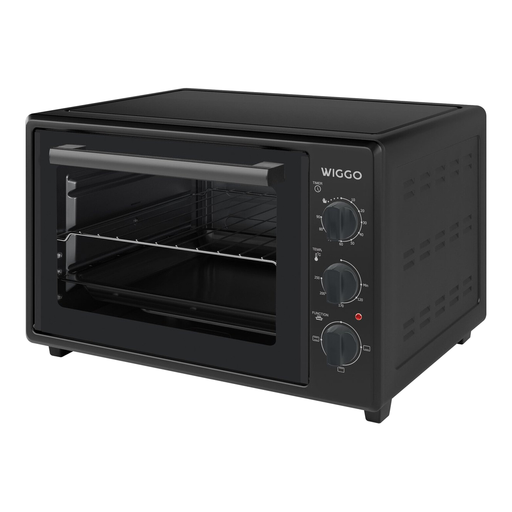
Why it suits this type of user: A compact freestanding oven for everyday cooking, baking and grilling, with no built-in installation required.
The product specifications clearly state a capacity of 35 litres, a power rating of 1,800 watts, three heating functions and a 90-minute mechanical timer.
Temperatures up to 250 °C, an interior light, and a baking tray and wire shelf included.
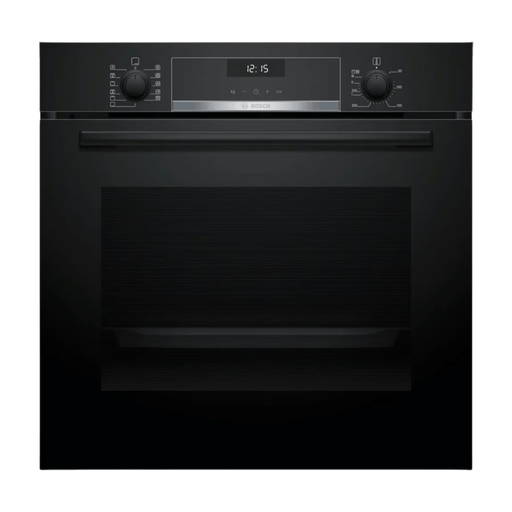
Why it suits this type of user: For home cooks who value a range of functions, a generous capacity and help with cleaning.
The specifications list eight heating systems, a 71-litre capacity and a temperature range of 50 to 275 °C.
3D Hotair, Air Fry, EcoClean Direct, cleaning assistance and one pair of telescopic rails.
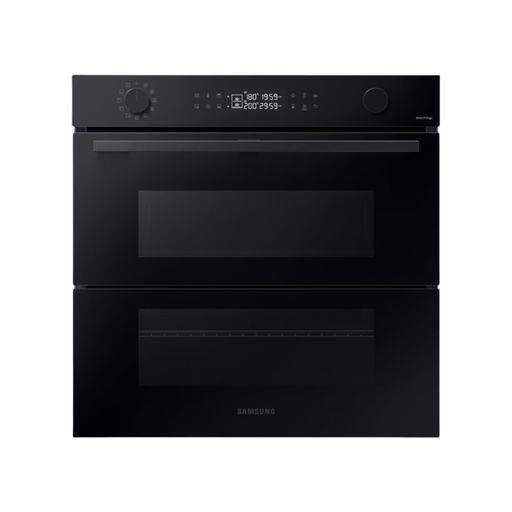
Why it suits this type of user: For households that cook large quantities and want to make the most of a flexible oven layout.
The 76-litre capacity and Dual Cook Flex are clearly listed; check that the housing dimensions are suitable for your kitchen.
Pyrolytic and catalytic cleaning systems according to the product description, plus a steam function and an A+ energy rating.
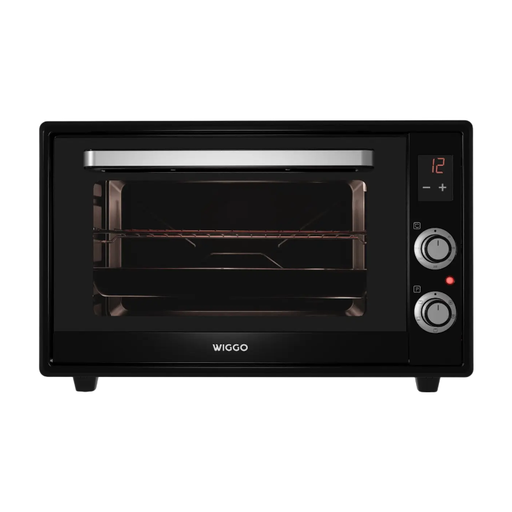
Why it suits this type of user: A freestanding oven with a family-friendly capacity for baking, grilling and cooking larger oven dishes.
The exact external dimensions are 60 × 49 × 40 cm, so you can check in advance that there’s enough space and ventilation.
65 litres, six functions, a turbo fan, five shelf positions and a 90-minute timer.
We’ve put together a complete, up-to-date list of products that meet these strict selection criteria and comply with current European safety regulations.
For one or two people, 30 to 45 litres is often enough. Families usually choose 65 to 71 litres. As well as capacity, consider the internal width, shelf positions and the size of your favourite baking tins.
According to the product specifications, a fan function can be used at a lower temperature or on multiple levels, but actual energy consumption depends on cooking time, temperature, capacity and the programme you choose. Compare the stated consumption per cycle, and avoid leaving the oven on longer than necessary.
An oven’s lifespan depends on how it’s used and maintained, how it’s installed and the parts it contains. Clean it regularly, keep the ventilation openings clear and don’t use aluminium foil on the base if the manual says not to. Check the warranty and your statutory rights when you buy. The product information for the models listed generally states a minimum two-year legal warranty.
