
Vandaag of morgen in huis

Kwaliteit gegarandeerd

Welkomstaanbiedingen ontgrendelen: GRATIS bezorging | Tot 80% korting | Gratis 30 dagen JoyPlus-proefperiode
Download de app
Finding the right outerwear can be a challenge. You're looking for a jacket to keep you dry during an unexpected downpour, a T-shirt that stays comfortable, or a blouse smart enough for work. But the market is flooded with marketing terms that confuse more than they clarify. Before you know it, you've bought a "waterproof" jacket that leaks after ten minutes or a shirt that loses its shape after two washes. Let's review the most common pitfalls so you know what to look out for.
Pitfall 1: The Vague "Waterproof" Promise Many jackets are sold as "waterproof," but in reality, they are merely water-repellent. This means they can handle a light drizzle, but you'll still get soaked in a serious downpour. The difference lies in the construction and materials, something that is often not clearly communicated.
Pitfall 2: "Breathable" Without Context A "breathable" garment should wick moisture away from your body to prevent you from feeling clammy and sweaty. Unfortunately, this term is often used for fabrics that offer very little ventilation. This applies not only to jackets but also to women's sports tops and men's shirts designed for activity.
Pitfall 3: Paying for the Brand, Not the Function A well-known logo doesn't always mean superior quality. Sometimes you pay extra for a brand name on a standard cotton T-shirt, while a lesser-known brand might offer a more technical product for the same price, such as a UV-protection jacket with a certified protection factor.
To avoid these pitfalls, it's helpful to focus on concrete, verifiable specifications. This will help you distinguish marketing jargon from actual facts.
For truly waterproof outdoor clothing, the water column rating is a key indicator. This number specifies how much water pressure the fabric can withstand before it starts to leak.
Also, check if the seams are "taped" or "sealed." Without this, water can still penetrate through the stitching.
For clothing intended to offer sun protection, like a lightweight women's jacket for summer, the UPF (Ultraviolet Protection Factor) is the most important metric.
According to specifications, a garment with a UPF 50+ rating allows only 1/50th of UV radiation to pass through. This is significantly more effective than a standard white cotton T-shirt, which often has a UPF of only 5-10.
The material determines comfort, durability, and functionality.
Based on clear specifications and use cases, we have selected a few products that suit different needs.
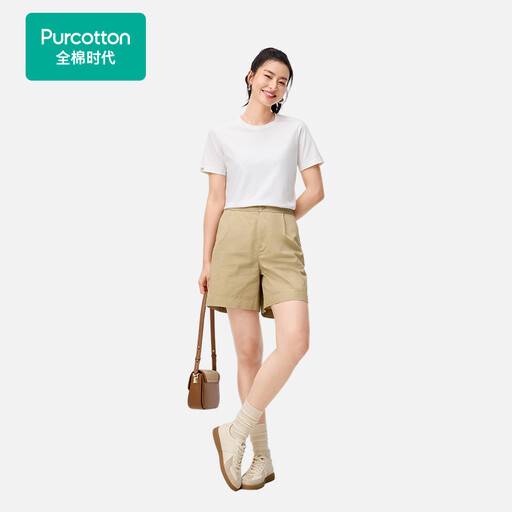
Why This Fits Their Persona: This is a reliable staple for anyone looking for a comfortable and versatile T-shirt for daily use, from the office to the supermarket. The focus is on simplicity and comfort, without unnecessary frills.
This product avoids the pitfall of paying for a brand name on a simple shirt. It focuses on material quality (skin-friendly cotton) and a clear function, rather than vague marketing promises.
Made from cotton, making it soft and breathable for everyday comfort. The basic style is easy to pair with other items.
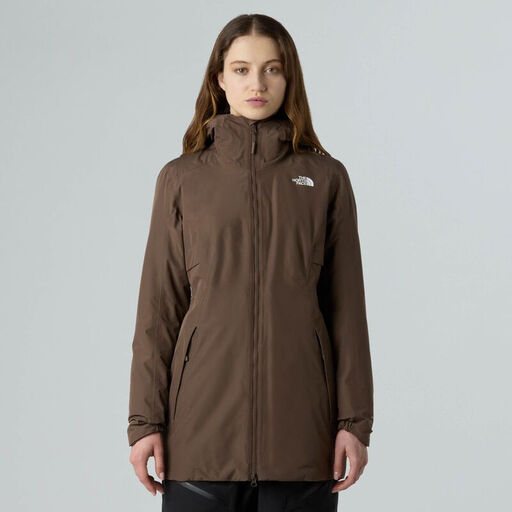
Why This Fits Their Persona: For those who invest in durable protection against the elements. This The North Face parka is designed for functionality and is a great choice for hikers and anyone who spends a lot of time outdoors.
The specifications are clear. According to the manufacturer, the jacket uses DryVent technology with sealed seams, a verifiable standard for waterproofing and breathability, instead of a vague claim.
According to the product description, the jacket is waterproof, windproof, and breathable. Its synthetic insulation provides warmth, even in damp conditions.
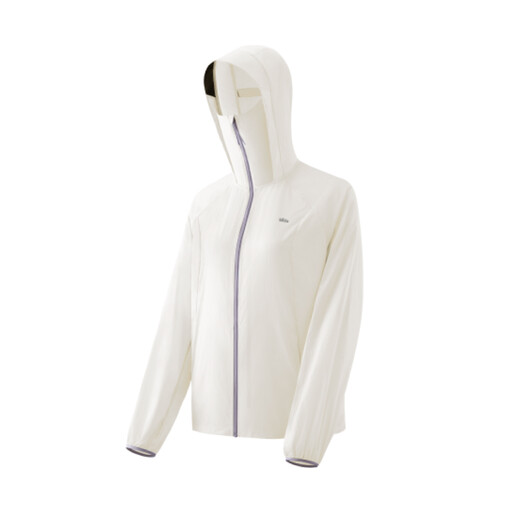
Why This Fits Their Persona: Ideal for bike rides, hikes, or a day on the patio when the sun makes an unexpected appearance. This lightweight women's jacket model offers protection without feeling heavy or hot.
This UV-protection jacket provides a concrete value. According to the manufacturer, it offers UPF 100+ protection, instead of a generic "UV protection" claim. This makes the level of protection clear.
Lightweight, water-repellent, and equipped with breathable panels in high-sweat areas. The thumbholes keep the sleeves in place.
We have compiled a complete, real-time list of products that fully satisfy these strict selection criteria and UK safety regulations.
Finding the right size is crucial. Don't just rely on S, M, or L. Always check the size chart provided with the product. Measure your chest, waist, and hips and compare them to the chart. Also, pay attention to the fit description: "relaxed fit" will be looser, while "slim fit" is more form-fitting. When in doubt, it's often wise to measure a well-fitting garment you already own and compare the dimensions.
Water-repellent clothing has a coating that causes water droplets to bead up and roll off the surface. This is sufficient for light drizzle, but in sustained rain, water will eventually penetrate. Waterproof clothing has a membrane (like Gore-Tex or DryVent) and sealed seams that prevent water from getting in, even under pressure. For climates with frequent rain, a truly waterproof garment is often a better investment.
Proper maintenance is essential to preserve the waterproof and breathable properties of your jacket. Wash it according to the care label instructions, usually at a low temperature with a special detergent for outdoor apparel. Do not use fabric softener, as it can clog the membrane. To reactivate the water-repellent layer (DWR coating), you can often tumble dry the jacket on a low heat setting after washing (always check the label). If the coating is worn out, you can reapply it yourself with a re-proofing spray.
