
Vandaag of morgen in huis

Kwaliteit gegarandeerd

Welkomstaanbiedingen ontgrendelen: GRATIS bezorging | Tot 80% korting | Gratis 30 dagen JoyPlus-proefperiode
Download de app
A good helmet isn't a luxury; it's a necessity. Whether you're commuting to work, exploring mountain bike trails on the weekend, or stepping onto a skateboard. However, the market is overwhelming, and marketing jargon doesn't make the decision any easier. Many people fall into the same traps: choosing a helmet that looks good but doesn't fit properly, or paying for features they don't need.
Before you make a decision, it's wise to consider a few common missteps:
To make an informed choice, it helps to understand a few technical specifications. These determine the safety, comfort, and durability of your helmet.
The foundation of any helmet consists of an outer shell and a shock-absorbing inner layer.
An adjustable sports helmet is essential for both safety and comfort. Look for a rear dial (dial-fit system) that allows you to fine-tune the helmet to your head's circumference. Adjustable chin straps ensure the helmet stays securely in place without pinching. Some models, like the Oryx skate helmet, come with extra pads of varying thicknesses for an even more personalized fit.
For intense activities like road cycling or mountain biking, a lightweight helmet with good ventilation is crucial. Multiple vents expel warm air and create a cooling airflow. A women's or men's road bike helmet is often aerodynamic and features large front openings. A full-face MTB helmet offers maximum protection but also needs smartly placed channels to prevent overheating. For colder conditions, such as with a men's ski helmet, ventilation is still important for wicking away sweat, but there are often fewer vents, or they may be closeable.
Below is a selection of OutdoorMaster helmets, matched to specific user profiles. This is not a ranking, but a guide to help you find a model that aligns with your needs.

Why This Fits Their Persona: Ideal for those who use their helmet for multiple purposes, from the daily commute to a recreational ride on the weekend. This Gem bike helmet offers a great balance between advanced safety and comfort.
This helmet bypasses the "one-size-fits-all" trap with a dual-adjustment system, including two sizes of pads and a dial-fit knob. The integration of MIPS shows that no corners were cut on safety technology.
Equipped with MIPS technology. The 25 vents and removable visor provide comfort and versatility in various conditions.
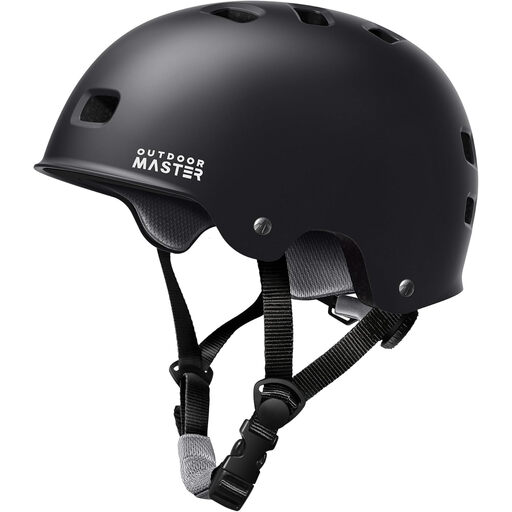
Why This Fits Their Persona: This adult skate helmet is built for durability. Its robust construction is suitable for sports like skateboarding, BMX, and inline skating, where the chance of multiple, smaller impacts is higher.
This model deliberately opts for a reinforced ABS shell over a lightweight PC shell, as this material is better suited for the intended activity. The fit is guaranteed by the included extra padding.
The reinforced ABS shell and thickened EPS core offer robust protection. The dual-adjustment system with a dial-fit knob and extra padding ensures a secure and comfortable fit.

Why This Fits Their Persona: Designed for downhill, BMX, and aggressive mountain biking. This full-face MTB helmet provides maximum coverage and protection for the chin and face, which is essential on technical terrain.
This is a specialized helmet that doesn't try to be an all-rounder. The focus is entirely on maximum protection for specific disciplines, featuring an EPP system for the collarbone and shock-absorbing pads in the chin bar.
Full-face protection with an integrated EPP system. Despite its extensive coverage, the helmet remains relatively lightweight (under 750g) and well-ventilated thanks to 27 vents.
We have compiled a complete, up-to-date list of products that meet these selection criteria and current safety regulations.
The right size is crucial. Measure the circumference of your head at its widest point, about 2 cm above your eyebrows and ears, using a flexible measuring tape. Compare this measurement with the size chart for the specific helmet you are considering. A well-fitting helmet should be snug but comfortable, and it should not shift when you shake your head.
A helmet must be replaced immediately after any serious fall or impact, even if there is no visible damage. The internal EPS structure may have lost its shock-absorbing capability. Additionally, it is recommended to replace a helmet every 3 to 5 years, as materials can degrade over time due to exposure to sweat and UV light.
A helmet with MIPS has an additional, thin layer on the inside that can move independently of the outer shell. According to the creators of this technology, its purpose is to absorb the rotational forces that can occur during a fall where the head hits the ground at an angle. It is an extra safety feature to consider, depending on your sport and risk profile.
