
Vandaag of morgen in huis

Kwaliteit gegarandeerd

Welkomstaanbiedingen ontgrendelen: GRATIS bezorging | Tot 80% korting | Gratis 30 dagen JoyPlus-proefperiode
Download de app
An outdoor jacket needs to do more in the UK than simply look sturdy. Rain, strong winds, changing temperatures and intense activity call for the right combination of protection and comfort. Yet many buyers pay for features they barely use, while important details about fit, seams and care are often overlooked.
The following points will help you choose a waterproof jacket, windproof jacket, winter coat or walking jacket that suits the way you plan to use it.
A water-repellent outer layer can make light rain bead up temporarily. That does not automatically mean the jacket will keep out prolonged rain or pressure from a rucksack. Check whether the product description mentions:
For a ski jacket, camping jacket or walking jacket, these details matter more than a striking colour or a large logo.
A thick winter coat can be comfortable when you are standing still, but when walking, cycling or climbing, heat can build up quickly. A shell without insulation often provides better protection against rain and wind, but requires a separate fleece jacket or insulating layer.
Pay attention to the difference between:
An outdoor jacket that fits closely can become uncomfortable when you wear a fleece jumper underneath. Always check the chest, shoulder and sleeve measurements. With a unisex jacket, the proportions may differ from those of a women’s or men’s jacket.
Ideally, take your measurements while wearing the clothes you plan to wear underneath the jacket. However, an overly roomy jacket can also let in draughts. Adjustable cuffs, a drawcord at the hem and a close-fitting collar can make the fit more practical.
Product copy featuring terms such as “all-weather”, “waterproof” or “storm-proof” is no substitute for concrete information. According to the brand’s own research, performance claims may apply under certain conditions; therefore, focus particularly on the stated construction and features of the specific model.
A jacket for the daily commute has different requirements from one designed for mountaineering. Look for:
According to the product description, The North Face Quest jacket features fully sealed seams and DryVent fabric with a DWR finish. These are verifiable product features, but the actual level of protection also depends on use, wear and care.
A windproof jacket is not automatically comfortable during a strenuous walk. A sealed construction can keep out the wind effectively, but without ventilation, damp heat can build up inside. Long underarm zips, a mesh lining and breathable fabric can help.
For a walking jacket or camping jacket, adjustable cuffs and a drawcord at the hem are useful. For everyday use, secure zipped pockets and a hood are often more important than maximum ventilation.
According to the product information, a 100% polyester fleece jacket is primarily suitable as a mid-layer. It can be combined with a waterproof outer layer. A padded winter coat with synthetic filling is simpler for everyday use because the insulation is already built in.
For skiing or intensive walks, a three-layer system is often practical:
This allows you to adjust your clothing as the weather or your level of activity changes.
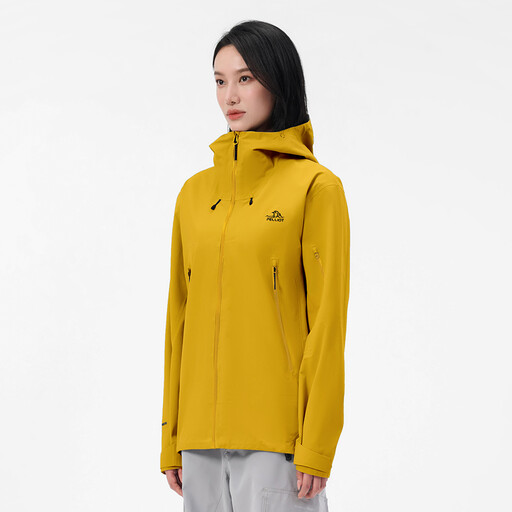
Why it suits this profile: According to the product description, this unisex shell is designed for camping, travel, walking and everyday use. The bright yellow colour can also be practical in poor visibility.
The description mentions wind protection, waterproofing, breathability and abrasion-resistant fabric. Underarm ventilation zips help reduce the risk of a clammy feeling during activity.
Lightweight, stretchy fabric, a mesh lining, adjustable room for layers and a zipped sleeve pocket. Sizes range from XS to XXL.
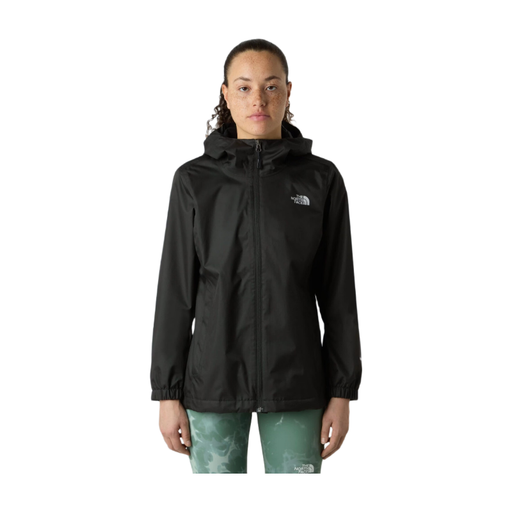
Why it suits this profile: This women’s jacket is designed for walking and changeable weather conditions. The standard fit provides room for an extra layer without opting for a distinctly oversized style.
The product description mentions fully sealed seams, windproof and breathable DryVent fabric, and an adjustable hood. This makes important construction details clearer than simply using the claim “all-weather”.
Mesh lining, two zipped pockets, an adjustable hem and elasticated cuffs. According to the description, the fabric is polyester with a DWR finish.
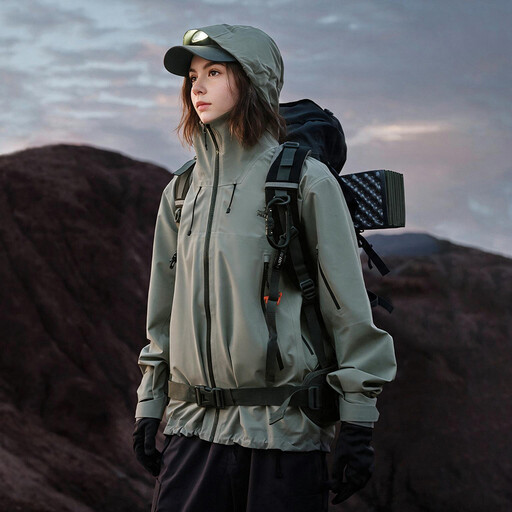
Why it suits this profile: The product description focuses on rough terrain, snow, woodland, rocky ground and skiing. This makes the model relevant for intensive outdoor activities where durability and ventilation matter.
According to the product description, the shell has a durable construction, long ventilation zips and a pocket for small essentials. This prevents protection and freedom of movement from being entirely at odds with each other.
Stretch outer fabric, breathable mesh lining, wind protection and a RECCO reflector according to the product information. This is not a substitute for safety planning in mountainous areas.
We have compiled a complete, up-to-date list of products that fully meet these strict selection criteria and the applicable European safety regulations.
Before buying, always check the size guide for the specific model. A men’s jacket, women’s jacket and unisex jacket may use the same letter size but still fit quite differently. Pay particular attention to chest measurement, sleeve length and the room available for a mid-layer.
Care has a direct effect on how long the jacket will last:
A fleece jacket can generally be washed as a separate mid-layer, while a technical shell requires more care to protect the outer layer and seams.
Usually not. Fleece is primarily designed as a warm mid-layer. Combine a fleece jacket with a waterproof jacket when you need protection from rain.
Start by considering the weather and the level of activity. For rain, sealed seams and an adjustable hood are important. For active walking, ventilation zips, a breathable construction and enough room for layers are useful.
That depends on use, friction, washing and care. A jacket worn every day with a heavy rucksack will wear out faster than one used occasionally. Check the seams, zips and outer layer regularly, and follow the manufacturer’s care instructions.
