
Vandaag of morgen in huis

Kwaliteit gegarandeerd

Welkomstaanbiedingen ontgrendelen: GRATIS bezorging | Tot 80% korting | Gratis 30 dagen JoyPlus-proefperiode
Download de app
A good outdoor Wi-Fi security camera provides peace of mind. Whether you want to keep an eye on your driveway, garden, or business premises, the right camera makes all the difference. However, the market is flooded with models that promise a lot but don't always deliver. Many buyers fall into the same traps: they end up with a camera that can't withstand harsh weather, has hidden subscription fees, or delivers unusable footage at night.
As a Joybuy Product Recommendation Officer, I'll help you see through the marketing jargon. We'll focus on the specifications that truly matter, so you can choose a camera that gets the job done—without unexpected costs down the line. Let's take a closer look at the three most common purchasing mistakes and how to avoid them.
Before you make a choice, there are a few technical features that determine if an outdoor Wi-Fi camera is worth the money. Paying attention to these will help you avoid a bad purchase.
A sharp image is crucial. Standard HD (1080p) is the absolute minimum, but for recognizing details like faces or license plates at a distance, a 2K security camera (resolution of 2304x1296 pixels or higher) is a wise choice. More pixels mean you can zoom in further without the image immediately turning into an unrecognizable blur. This is especially important if the camera needs to cover a larger area like a garden or parking lot.
This is where the subscription trap comes into play.
outdoor IP camera with an SD card slot is the most cost-effective and privacy-friendly solution.How you power the camera determines its flexibility.
wireless security camera with a solar panel. Ideal for locations without a power source, like a shed or the back of the garden.Not everyone has the same needs. Below is a selection of cameras, matched to specific user profiles.
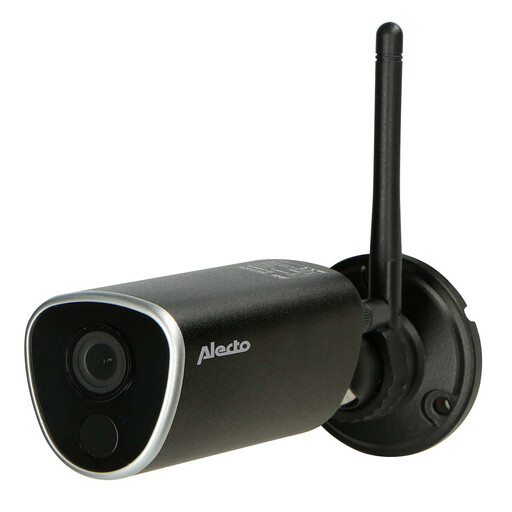
Why This Fits Their Persona: Ideal for those who want to secure a specific spot, like the front door or back entrance, with a reliable and straightforward, no-fuss camera.
This camera completely bypasses the subscription trap by supporting an SD card up to 128 GB. Its IP66 rating guarantees it can withstand harsh weather.
Offers sharp 1080p HD video and motion detection with push notifications. A solid, affordable solution with no hidden costs.
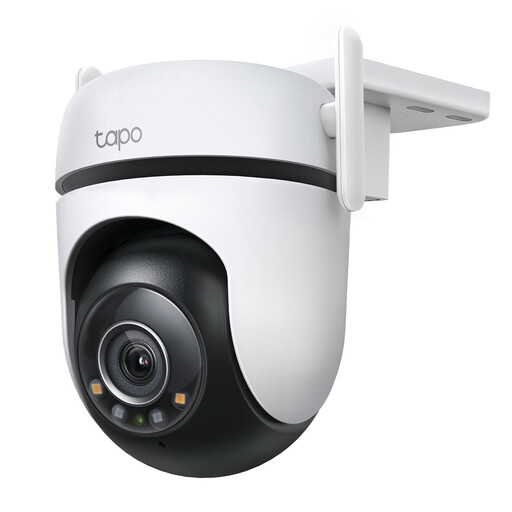
Why This Fits Their Persona: Perfect for those who need to monitor a larger area, like an entire garden or driveway, and want to leave no corner unwatched.
This outdoor PTZ camera tackles the problem of blurry night vision with Starlight technology for clear color night vision. Free AI detection and storage on an SD card up to 512 GB prevent unnecessary costs.
Provides 360-degree coverage and razor-sharp 2K QHD resolution. Its smart AI identifies people, pets, and vehicles, minimizing false alarms.
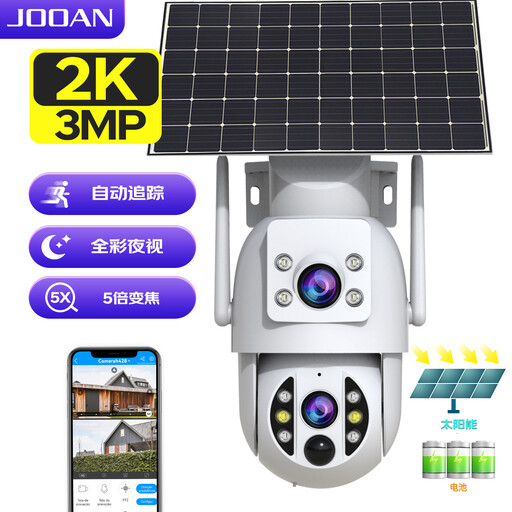
Why This Fits Their Persona: The solution for anyone needing to place a camera in a location without a power outlet, such as at a gate, shed, or on the edge of a large property.
This solar-powered camera operates completely autonomously. No fussing with cables or recharging. The built-in 9000mAh battery and solar panel ensure continuous operation. You can store footage locally on an SD card.
Completely wireless and self-sufficient. The 2K dual lens and 360° view provide a wide, sharp surveillance image, even in remote locations.
We have compiled a complete, up-to-date list of products that fully meet these strict selection criteria and local regulations.
1. Do I need a subscription for an outdoor security camera? Not necessarily. Many cameras, like the models we recommend here, offer the option to store footage locally on a microSD card. This is a one-time purchase, and you avoid monthly subscription fees. Cloud storage is an optional service that can offer extra features, but it's usually not required for basic operation and recording.
2. How weatherproof does an outdoor camera need to be for a wet climate? Look for the IP rating. A camera with an IP65 rating is dust-tight and protected against water jets, which can be sufficient for a sheltered spot under an eave. For a location fully exposed to rain and wind, IP66 or higher is recommended. This means the camera is dust-tight and can withstand powerful water jets, making it better suited for harsh weather conditions.
3. What is the difference between infrared night vision and color night vision? Standard infrared (IR) night vision records in black and white. You can see movement, but details are often difficult to distinguish. A security camera with color night vision uses more sensitive sensors and sometimes a small built-in spotlight to capture full-color images even in low light. This provides significantly more detail, which can be crucial for identifying people or vehicles.
