
Vandaag of morgen in huis

Kwaliteit gegarandeerd

Welkomstaanbiedingen ontgrendelen: GRATIS bezorging | Tot 80% korting | Gratis 30 dagen JoyPlus-proefperiode
Download de app
When buying outdoor walking gear, people often look first at weight, discounts and an appealing brand. But fit, materials and intended use are what really determine whether your purchase works well for you. A jacket that keeps you dry during a short shower may not be suitable for a long trek. And a lightweight tent can be impractical if there’s hardly any room for your luggage.
In this guide from the Joybuy Product Recommendation Officer, you’ll find out what to look for in hiking clothes, shoes, tents and accessories. That way, marketing claims won’t distract you from the product information that matters most.
A product description may mention that an item is waterproof without explaining what that means. Check whether it lists a hydrostatic head rating, a membrane or a coated fabric. The seams matter too: fully taped seams reduce the risk of water getting in through the stitching. Also check the zips, cuffs and hood.
Breathability is important in a waterproof walking jacket, too. A jacket may keep the rain out but still feel warm and damp when you’re climbing hard. Some manufacturers state that certain models use a breathable membrane. Treat such claims as product information, not a guarantee of performance in every situation.
A low weight is useful for backpacking, but it isn’t always the only priority. Very thin fabric may offer less protection against abrasion, cold or prolonged rain. So check the overall weight, pack size and construction.
For example, a 2.64 kg lightweight tent for two people may be practical if you’re sharing the load. For solo use, a smaller model might make more sense. Check the dimensions, too: a sleeping area of 210 × 140 × 110 cm can accommodate two people, but won’t necessarily leave much room for rucksacks.
Hiking clothes and walking clothes should leave room for layers without flapping or feeling tight. With shoes, length, width, heel fit and toe room all matter. A trail-running shoe with deep lugs may suit muddy paths, but will feel different on tarmac from an all-round walking shoe.
Use the size guide for the specific product and compare it with a jacket, pair of trousers or shoe that fits you well. With a hardshell, sizing up may be useful if you’ll be wearing an insulating mid-layer.
These are practical points to check when choosing a walking jacket:
A poncho can provide extra coverage over your clothes and rucksack. The PELLIOT Outdoor Hiking Raincoat is described as a poncho, rain jacket and 3-in-1 tarp. Before buying, check the exact size, coverage and fastening method.
Choose trekking shoes, trail-running shoes or walking shoes to suit the terrain:
Salomon product descriptions mention features including GORE-TEX, Contagrip and an EnergyCell midsole. These are manufacturer specifications; your experience will also depend on fit, socks and the surface underfoot.
For camping gear, pack size, materials and repair options are just as important as the price. When checking a lightweight tent, look at:
For a camping sleeping mat, width, thickness, insulation rating and puncture resistance all matter. A double model measuring 200 × 140 cm and weighing around 1.7 kg offers plenty of space, but takes up more room than a single mat. An integrated foot pump can be handy if you don’t want to carry a separate pump.
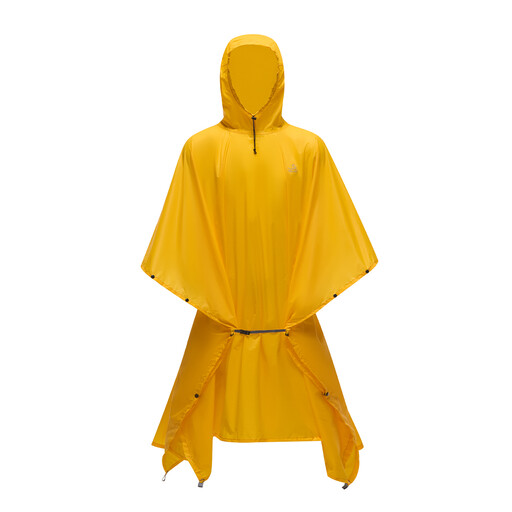
Why it suits this profile: This poncho is designed for walkers and cyclists looking for one compact piece of rainwear for short outings and everyday use.
The product name highlights its lightweight construction and 3-in-1 use. Before buying, check the size and the level of coverage you want over your rucksack.
Described as a poncho, rain jacket and tarp; available in size L.
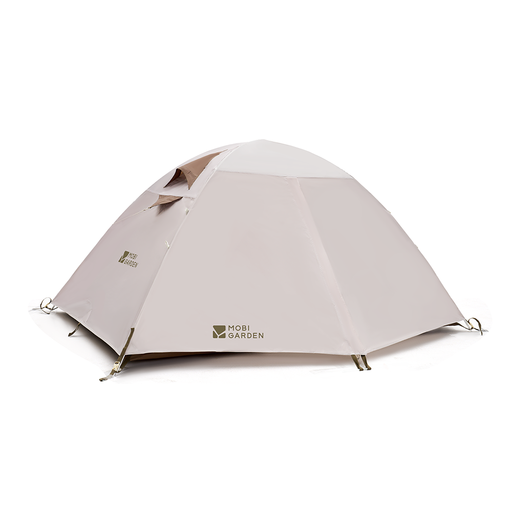
Why it suits this profile: A good option for campers looking for a two-person tent with an aluminium frame and a compact pack size.
The specifications list the material, dimensions, packed size and hydrostatic head ratings. This makes it easier to compare weight and protection before you buy.
68D polyester, an aluminium frame, a weight of around 2.64 kg and space for two people, according to the product information.

Why it suits this profile: A mid-cut model for walkers looking for extra ankle support on wet, uneven paths.
The product description mentions the membrane, sole and mid-cut design. Check the fit and care requirements yourself using the size guide and instructions.
GORE-TEX, a Contagrip MA sole and an EnergyCell midsole, according to the manufacturer.
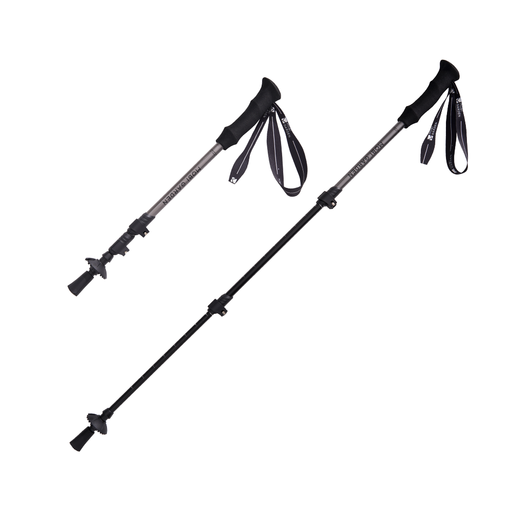
Why it suits this profile: These adjustable trekking poles are designed for hikers who want both support and a compact pack size.
The length, weight and three sections are listed. Before each use, check that the flip locks are secure.
7075 aluminium, adjustable to 135 cm, 64 cm when collapsed and around 210 g per pole.
In changeable weather, walking gloves with touchscreen-compatible fingertips are handy for navigation. For overnight stays, you could consider a camping cook set with nested components. According to its product description, the Fire Maple Fixed Star system has a 1-litre pot and is designed for a standard screw-on isobutane gas canister; the canister is not included.
For trail running, Salomon Speedcross models are designed to provide grip on softer ground. According to the product information, the Nike Pegasus Trail 3 is intended for a mix of paths and urban surfaces. A cotton T-shirt can work as a casual layer, but cotton generally dries more slowly than technical walking clothes. When you’re active, choose carefully between comfort, ventilation and drying time.
We’ve put together a complete, up-to-date list of products that meet these strict selection criteria and the applicable European safety regulations.
Start with well-fitting shoes, a waterproof walking jacket, a water bottle, a navigation aid and a small rucksack. Add walking gloves in cold weather. You usually won’t need a tent, sleeping mat or camping cook set for a day out.
Its lifespan depends on the materials, how heavily you use it, how you care for it and how you store it. Let tents and jackets dry completely before putting them away. Clean shoes according to the care label and check the locks on trekking poles regularly. Replace parts when seams, soles, zips or fastenings show visible signs of wear.
It depends on how you plan to use it. For short walks, walking clothes, shoes and rain protection will be enough. Trekking and camping add the cost of a tent, camping sleeping mat, cook set and trekking poles. Compare more than just the purchase price: consider weight, maintenance, warranty and whether individual parts can be replaced.
