
Vandaag of morgen in huis

Kwaliteit gegarandeerd

Welkomstaanbiedingen ontgrendelen: GRATIS bezorging | Tot 80% korting | Gratis 30 dagen JoyPlus-proefperiode
Download de app
A good outdoor wall light is more than just a light source. It provides security around your home, creates ambiance on your patio, and helps you find the keyhole late at night. But the search can be frustrating. The selection is vast, and marketing promises make it difficult to make a durable choice. Many lights look good at first glance but stop working after a few heavy downpours or emit unpleasant light.
As a Joybuy Product Recommendation Officer, I'll help you cut through the noise. We'll focus on the specifications that truly matter, so you can avoid a bad purchase. Let's discuss the three most common pitfalls when buying an outdoor wall light.
To make the right choice, it's important to understand a few technical specifications. These aren't complicated details, but practical features that determine if a light is right for your situation.
The IP (Ingress Protection) rating indicates how well a light is protected against dust and water. This is a crucial factor for fa?ade lighting in any climate.
Think carefully about the location and intended use before choosing a type.
The right brightness and colour are essential for both ambiance and functionality.
An LED outdoor wall light is the standard today, as it is energy-efficient and has a long lifespan.
Below are some popular choices, matched to different needs and situations.
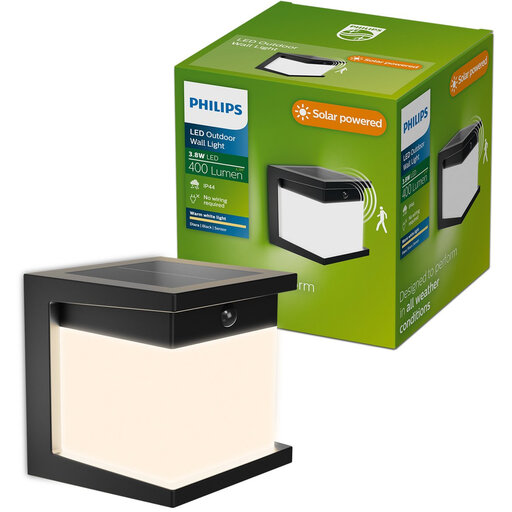
Why This Fits Their Persona: Ideal for those seeking a 'set it and forget it' solution. No fuss with cables, no electricity costs, and the built-in motion and dusk-to-dawn sensors do all the work. Perfect for the shed, driveway, or back door.
Completely bypasses the power source pitfall. Because it runs on solar power, there are no installation costs or power cables needed. Just make sure to place it in a sunny spot.
Runs on 100% solar power. Features a motion sensor and a dusk-to-dawn sensor for automatic and efficient operation. Installation is extremely simple.
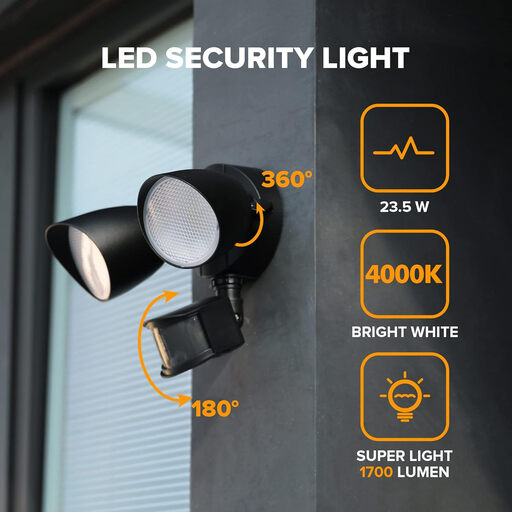
Why This Fits Their Persona: For those who put safety first. This light is designed to brightly illuminate a large area as soon as motion is detected. The two adjustable heads provide wide coverage for the driveway, garden, or path alongside the house.
Avoids the 'too dim' pitfall. With 1700 lumens and bright white light (4000K), this is a serious floodlight, not a subtle mood light. The robust housing is built for outdoor use.
Very high light output (1700 lm) for maximum visibility. The two heads can be rotated 360° for targeted illumination. Built-in PIR motion sensor.
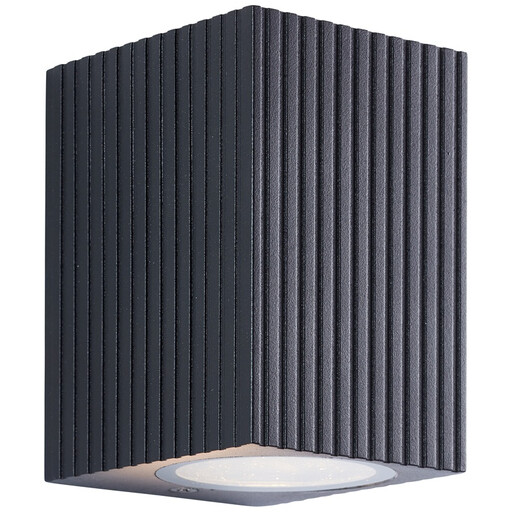
Why This Fits Their Persona: For those who value aesthetics as much as functionality. This sleek, modern black outdoor light made of aluminium adds a premium look to any fa?ade. The GU10 fitting offers the freedom to choose your own light source.
Prevents the ambiance mismatch. Because you choose your own GU10 LED bulb, you control the light colour (Kelvin) and brightness (lumens). Opt for a dimmable bulb for complete control over the atmosphere.
Stylish and durable aluminium design. Offers complete lighting flexibility with its replaceable light source. The IP44 rating makes it suitable for sheltered installation.
We have compiled a complete, up-to-date list of products that fully meet these strict selection criteria and local regulations.
A good rule of thumb for mounting height is between 1.80 and 2.00 metres (5'11" to 6'7"). This is high enough to distribute the light well and prevent anyone from bumping their head, but low enough to easily clean the lamp or replace the bulb. For an outdoor light with a sensor, it's important to consult the manufacturer's manual for the optimal height to ensure proper detection.
The lifespan of an LED outdoor wall light is significant. For models with an integrated LED module, manufacturers often specify a lifespan of 25,000 to 50,000 operating hours. With normal use, this means the lamp can last for more than 15 years. For fixtures with a replaceable socket (like GU10 or E27), the lifespan depends on the LED bulb you install.
Yes, in most cases, a light with a motion or dusk-to-dawn sensor is more energy-efficient. The light is only on when needed: when motion is detected or when it gets dark. This prevents the light from being on unnecessarily all night, which directly saves on the energy bill. This applies to both mains-powered lights and solar outdoor lighting, where it extends the battery's charge life.
