
Vandaag of morgen in huis

Kwaliteit gegarandeerd

Welkomstaanbiedingen ontgrendelen: GRATIS bezorging | Tot 80% korting | Gratis 30 dagen JoyPlus-proefperiode
Download de app
A good outdoor wall light does more than just provide light. It ensures safety around your home, creates ambiance on your patio, and can completely transform the look of your facade. But the search can be frustrating. A light sold as 'waterproof' gives out after the first serious downpour. Or that handy solar-powered outdoor light with a sensor only provides an hour of dim light after a cloudy day.
Before you make a choice, it's wise to know the most common pitfalls. This will help you avoid a bad purchase and choose a light that truly fits your situation.
To make the right choice, it's helpful to understand three core aspects. These determine the performance, durability, and ease of use of your facade lighting.
The IP rating indicates how well a lamp is protected against dust and water. This is a crucial factor for outdoor lighting.
The way your lamp is powered has a major impact on installation and reliability.
The choice of light source determines your flexibility and the lifespan of the fixture.
To help you choose, we have highlighted a few products that suit different needs and situations.
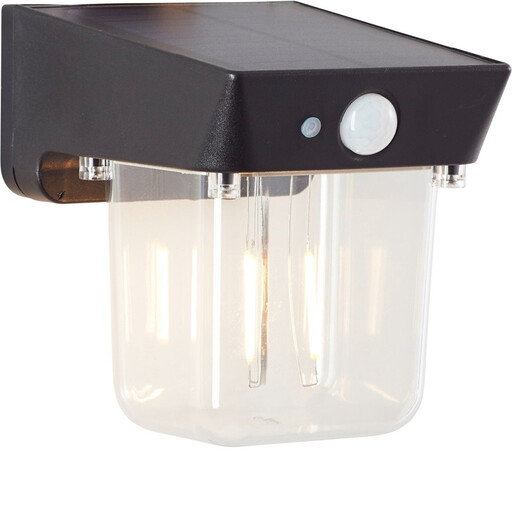
Why This Fits Their Persona: Ideal for those who want a no-fuss, cable-free solution. This light can be mounted in minutes on any wall with sufficient sunlight, such as by the shed or back door. The motion sensor provides light when needed, which is both practical and energy-saving.
This sensor-equipped outdoor light avoids the pitfall of weak solar performance by combining a decent battery and an efficient LED, ensuring it functions reliably even on less sunny days.
No power cables needed; installation is extremely simple. The built-in motion and dusk-to-dawn sensors ensure automatic and efficient operation.
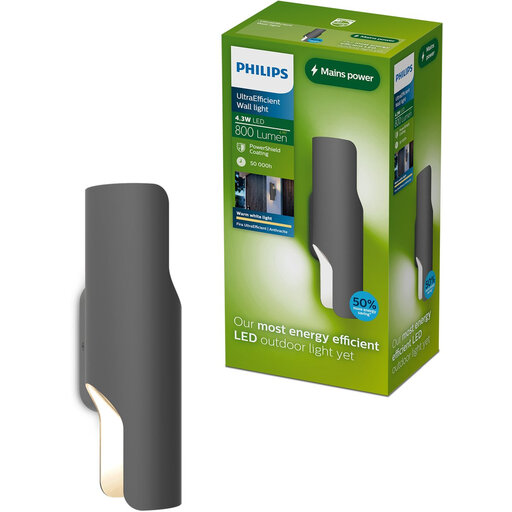
Why This Fits Their Persona: For those who want to enhance their home's curb appeal. This anthracite outdoor wall light provides a stylish up-down light effect. The warm white light (2700K) creates an inviting and cozy atmosphere, perfect for the front facade or patio.
This lamp has an integrated LED but bypasses the short-lifespan pitfall. According to Philips, the LED has a lifespan of up to 50,000 hours, which means years of worry-free use.
Modern up-down light effect for a luxurious look. Made of durable aluminum with an IP44 rating, suitable for most outdoor applications.
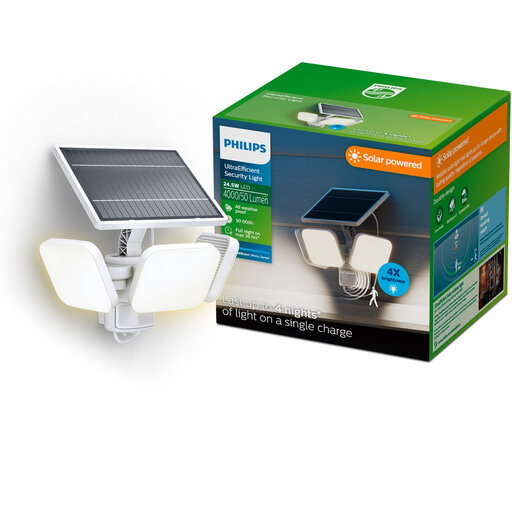
Why This Fits Their Persona: When safety is the top priority, a powerful and reliable light is essential. This model is designed as a security light, with a very high light output (4000 lumens) and a sensitive motion sensor. Ideal for illuminating a driveway, backyard, or dark corners around the house.
This lamp tackles both pitfalls: it has an IP65 rating, making it truly resistant to bad weather. Additionally, it's a high-quality solar light that the manufacturer claims can provide light for up to 4 nights on a full battery.
Very high light output for maximum visibility. Advanced PIR sensor with a wide detection range and an IP65 rating for durability in all weather conditions.
We have compiled a complete, up-to-date list of products that fully meet these strict selection criteria and safety regulations.
For optimal performance of the motion sensor, a height of 1.8 to 2.5 meters (6 to 8 feet) is generally recommended. At this height, the sensor has a good range and the chance of unwanted activation by pets, for example, is smaller. Always read the specific recommendations from the manufacturer.
Warm white light (approx. 2700K-3000K) has a yellowish glow and is perceived as cozy and atmospheric. This is a popular choice for patios and seating areas. Cool white light (approx. 4000K-5000K) is brighter and whiter, similar to daylight. This is often chosen for functional lighting, such as by the front door, driveway, or for security, because it makes details more visible.
That depends heavily on the quality. Cheaper models often struggle with the short, cloudy days of winter. High-quality solar lights with an efficient solar panel and a large battery capacity are designed to function even in these periods, although the operating time per night may be shorter than in the summer. Models with a motion sensor that only turn on when needed are the most reliable in winter.
