
Vandaag of morgen in huis

Kwaliteit gegarandeerd

Welkomstaanbiedingen ontgrendelen: GRATIS bezorging | Tot 80% korting | Gratis 30 dagen JoyPlus-proefperiode
Download de app
A walk in the Veluwe, a multi-day trek in the Ardennes or a bike ride in changeable Dutch weather doesn’t call for taking as much gear as possible. The right outdoor walking gear comes down to fit, weight, protection and practical organisation.
Many poor purchases happen because a product is judged mainly by its marketing claims. A “lightweight” rucksack, for example, may offer little support, while a “waterproof” bag won’t necessarily have protected seams and zips. Use these checks to compare walking accessories with confidence.
Terms such as nylon, polyester or aluminium don’t tell you much on their own. Check the construction, fastenings, ventilation, carrying points and care instructions too. A walking rucksack with an aluminium frame, for example, may be suitable for a heavier load, but only if the hip belt fits properly.
A brand may claim that a product offers protection, cooling or antibacterial properties. Treat these as information from the product description, not as a universally proven result. According to PELLIOT’s own research, the Outdoor Head Scarf with Light Shield yarn blocks more than 99.5% of UVA and heat radiation. Always check the stated UPF rating, fit and washing instructions as well.
The same applies to a walking hat: according to PELLIOT’s own product information, the UPF50+ yarn used blocks at least 92% of UV radiation. Actual coverage also depends on how the hat fits and how much skin remains uncovered.
A 40-litre trekking rucksack has room for clothing, sleeping gear and cooking accessories, but a larger capacity isn’t automatically more comfortable. Check the adjustable back length, hip belt, shoulder straps and maximum recommended carry weight. For a day walk, a lightweight rucksack or compact sling bag may be more practical than a large trekking rucksack.
Choose the capacity to suit your activity:
According to the product information, the PELLIOT Trekking Backpack has a capacity of 40 litres, weighs approximately 1.06 kg and has a stated carrying capacity of around 11 kg. It features an integrated frame, ventilation in the back panel, hip belt pockets and attachment points for items such as trekking poles and a sleeping mat. To choose the right size, measure from the prominent bone at the base of your neck to the top of your hip bones.
For lighter loads, the Beneunder LC169 offers a different layout. According to its product specifications, this bag weighs 98 grams and expands from 1.2 to 3.6 litres. The fabric is described as resistant to water, oil and stains. This makes it useful for carrying a phone, wallet, snacks or a small camera, but it isn’t a substitute for a full-sized walking rucksack.
A walking hat, UPF50+ sun hat, outdoor head scarf or running cap should suit the activity. Check:
A mesh cap can be comfortable for running, but it covers your neck and ears less than a wide-brimmed hat. A waterproof rain poncho offers more coverage and some models can also be used as a tarp. Check whether it fits over a rucksack and whether the hood restricts your vision.
A lightweight product is useful over long distances, but fragile fastenings or thin materials may limit its lifespan. Check:
According to the product description, the ION8 water bottle has a capacity of 1 litre, a stainless steel body and a lid with triple locking. The bottle isn’t insulated, so don’t fill this model with boiling water. This is also stated in the product’s safety warning.
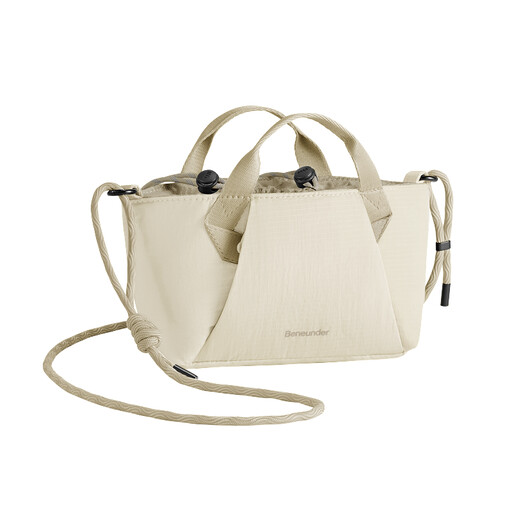
Why it suits this profile: For short walks, travelling and everyday use, this compact bag offers space without the weight of a large rucksack.
Its capacity is specified as 1.2 to 3.6 litres and its weight as 98 grams. This makes it clear what the bag is and isn’t intended for.
Expandable capacity, a wide shoulder strap and a surface described in the specifications as resistant to water, oil and stains.
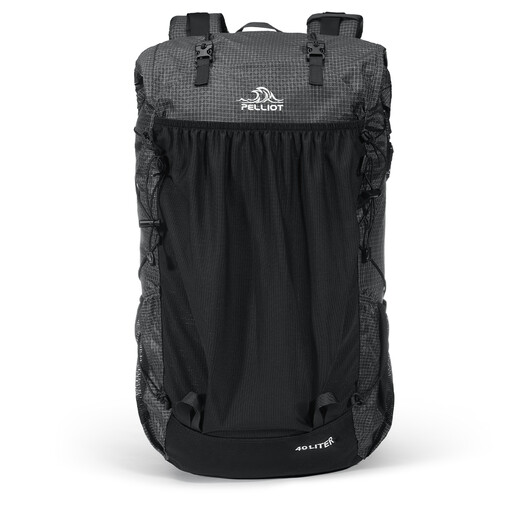
Why it suits this profile: For multi-day hikes and camping trips where a supportive carrying structure and organised layout matter.
The sizing, 40-litre capacity, weight and stated carrying limit are all clearly listed. This makes it easier to compare than relying on a claim such as “extra large”.
Alloy frame, adjustable sizes S/M and L/XL, ventilated mesh, plus multiple pockets and attachment points.

Why it suits this profile: Designed for runners, cyclists and walkers looking for a lightweight cap with an adjustable fit and sweatband.
The product information lists several sizes, hand-washing instructions and 100% polyester. Check your head circumference rather than relying on the general M/L size alone.
Breathable mesh, an adjustable peak, a cooling sweatband and a reflective adjustment strap, according to the product specifications.
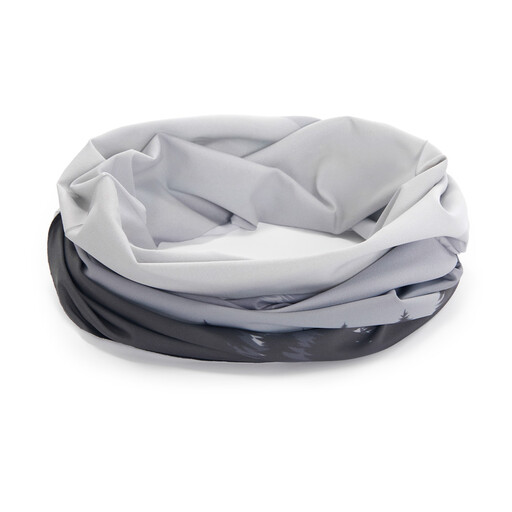
Why it suits this profile: A versatile option for walking, cycling, camping and commuting, with flexible coverage for your face and neck.
The product description lists a UPF50+ rating, quick-drying fabric and a 360° design. According to PELLIOT’s own research, Light Shield technology helps provide UV protection.
Can be worn as a neck warmer, headband, hairband, mask or hat liner; nylon-spandex blend and hand-wash care as instructed.
We’ve put together a complete, up-to-date list of products that meet these strict selection criteria and the applicable European safety requirements.
Start with a well-fitting rucksack, plenty of water, an extra layer of clothing, a rain jacket or poncho, your phone, snacks and a basic safety kit. In sunny weather, a UPF50+ sun hat, outdoor head scarf or cap can be useful additions. Add trekking poles if you’ll be walking over uneven ground or want extra stability.
It depends on the materials, load, storage and care. Clean your rucksack according to the instructions, avoid overloading it and let it dry completely before putting it away. Check the seams, zips, buckles and hip belt regularly. A damaged frame or a seam coming apart may mean the rucksack is no longer suitable for heavy-duty trips.
The cost mainly depends on the activity and the capacity you need. A few lightweight walking accessories may be enough for a short walk. For trekking and camping, you may also need a 40-litre trekking rucksack, trekking poles, a lightweight water bottle, cooking equipment and camping accessories. Compare the specifications first, and only buy what suits your route, trip length and load.
