
Vandaag of morgen in huis

Kwaliteit gegarandeerd

Welkomstaanbiedingen ontgrendelen: GRATIS bezorging | Tot 80% korting | Gratis 30 dagen JoyPlus-proefperiode
Download de app
Finding a good pair of outdoor trousers seems simple until you get lost in a forest of technical jargon, vague promises, and steep price tags. Whether you're looking for trousers for a walk in the dunes, a demanding job, or a trek through the mountains, the wrong choice leads to discomfort and wasted money. Let's cut through the marketing hype and focus on what really matters.
Before we look at solutions, it's helpful to recognise the most common purchasing mistakes. Many trousers are sold with features that are disappointing in practice.
To avoid a bad purchase, focus on the following three concrete features. These determine the performance and comfort of your outdoor trousers.
The fabric is the foundation of any good pair of trousers. The choice of material is directly linked to the activity you have in mind.
Trousers can be made from the best material, but if the fit is wrong, they're useless. Look for models specifically designed for women or men, such as women's hiking pants or men's hiking pants, as the hip-to-waist ratios differ.
Look beyond just the size and pay attention to:
The details are what make trousers either functional or frustrating.
Based on these criteria, we have selected a number of products that suit different user profiles. These aren't "winners," but practical choices for specific purposes.

Why This Fits Their Persona: Ideal for light hikes, walking the dog, or a comfortable, active day. These trousers are light, breathable, and offer ample freedom of movement without the technical overkill of heavy trekking pants.
These trousers focus on comfort and quick-drying properties, not on heavy-duty waterproofing that you don't need for a day hike. You pay for the features you'll actually use.
Lightweight and breathable material with stretch for comfort. The quick-drying fabric is practical for unpredictable British weather.
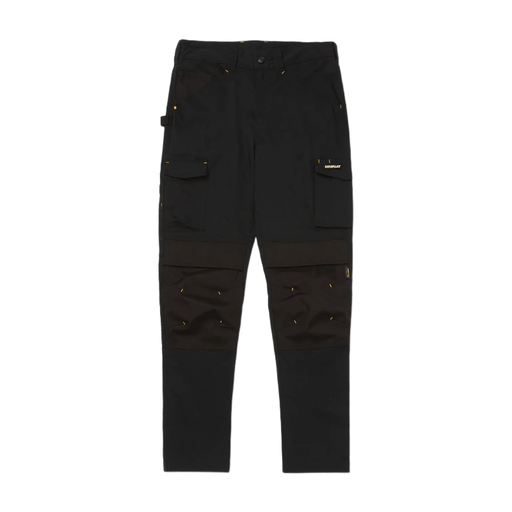
Why This Fits Their Persona: Engineered for the job site, not the hiking trail. These trousers combine durability with the freedom of movement required for physical work.
This is not a general outdoor trouser, but a specialised pair of work pants. The Cordura reinforcements and knee pad pockets are features that demonstrate a focus on durability, not on a brand name.
Extremely durable thanks to ripstop construction and Cordura reinforcements. Functional pockets, stretch, and UPF 50+ protection for working outdoors.
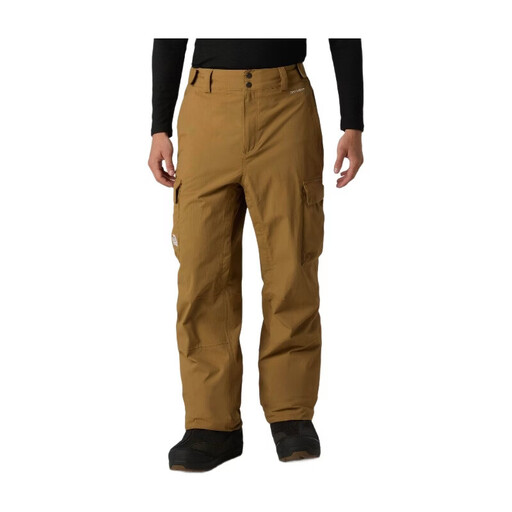
Why This Fits Their Persona: For those who don't let bad weather stop them. These trousers are built for serious conditions, from mountain treks to winter sports, where reliable protection is essential.
These The North Face pants deliver on their promise. Instead of a vague claim, the brand specifies the use of a seam-sealed DryVent membrane, a verifiable technology for waterproofness and breathability.
According to the manufacturer, the trousers are waterproof and windproof thanks to the seam-sealed DryVent fabric. They include specific features for snow sports, such as internal snow gaiters and ventilation zips.
We have compiled a complete, up-to-date list of products that meet these selection criteria and comply with current regulations.
Always check the care label. Use a mild detergent and avoid fabric softener, as it can clog the pores of technical fabrics. Close all zips and hook-and-loop fasteners before washing. To reactivate a DWR water-repellent layer, you can tumble dry the trousers on a low heat (if the label permits) or iron them with a towel in between.
Hiking pants are primarily designed for freedom of movement and performance. The focus is on lightweight materials, stretch, and an athletic fit. Traditional cargo pants are focused on storage and durability, often made from heavier cotton canvas. Nowadays, you see many hybrid models that combine the functional pockets of cargo pants with the technical materials of hiking pants.
For any activity that involves a lot of movement, bending, or climbing, stretch is essential. A pair of stretch pants prevents the fabric from pulling tight at the knees and seat. This not only significantly increases comfort but also reduces stress on the seams, making the trousers last longer. For a gentle walk on flat terrain, it's less crucial, but for most outdoor activities, it is a highly recommended feature.
