
Vandaag of morgen in huis

Kwaliteit gegarandeerd

Welkomstaanbiedingen ontgrendelen: GRATIS bezorging | Tot 80% korting | Gratis 30 dagen JoyPlus-proefperiode
Download de app
Outdoor toys for children should first and foremost suit your child’s age, height and motor skills. A product that appears suitable for a wide age range on the packaging may be too large, too heavy or difficult to control in practice. Light-up wheels, music and a battery also say little about how easy a product is to use every day.
The most common purchasing problems are:
Do not look only at the recommended age. Also consider your child’s height, the seat height and the maximum load. With a balance bike for toddlers, your child should be able to place both feet firmly on the ground. This makes getting on and slowing down independently easier.
A balance bike for 2 to 6-year-olds with an adjustable saddle and handlebar can remain useful for longer than a fixed model. However, check that the lowest setting is suitable for your child’s current height. An adjustable component is only useful if it locks securely.
For younger children, a toddler tricycle with a stable base may be suitable. A 3-in-1 model can offer different configurations, such as a balance bike, pedal-free tricycle and tricycle with pedals. Check that the conversion process is clearly explained and that all fittings are securely fastened.
Puncture-proof or anti-puncture tyres reduce the risk of punctures and do not need inflating. However, they do not automatically make a vehicle suitable for every surface. They are practical for parks, courtyards and flat play areas, but wet, loose or very uneven surfaces can make steering more difficult.
Also look for:
According to the product information for the Neuleb YFQ balance bikes, the tyres are hard-wearing and puncture-resistant. This is a product specification provided by the seller; before buying, also check the exact dimensions and maximum weight on the product page.
An electric toy car or children’s motorbike has more points to consider than a manually powered balance bike. Check the information about the battery type, charging time, operating time, speed, charging adapter and age recommendation. Operating time may vary depending on the child’s weight, the surface and the temperature.
Use an electric vehicle only in an enclosed, level area and under adult supervision. Never use it on public roads, near water or close to traffic. Every model also requires checks of the wheels, steering, seat, cables and fastenings.
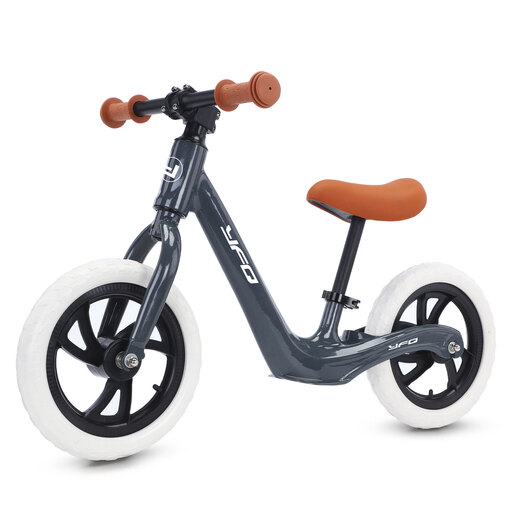
Why it suits this profile: A simple pedal-free balance bike for children aged 2 to 6. It does not need a battery or complicated drive system, making it suitable for first rides on flat play areas.
The saddle and handlebar are adjustable. The product information also mentions puncture-proof tyres and a lightweight frame. Check the current dimensions and weight limit before use.
No battery required, adjustable components, soft saddle and assembly that, according to the product description, consists of just a few steps.
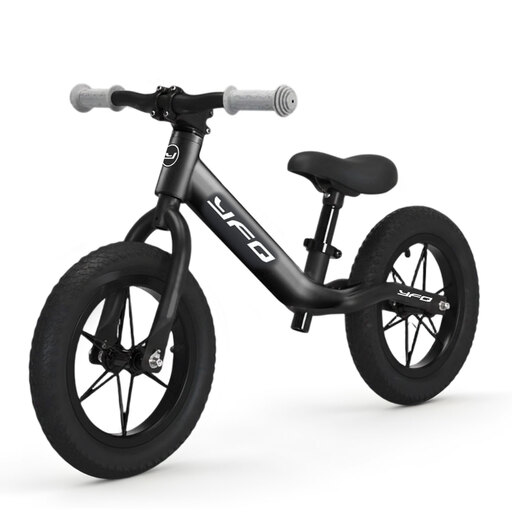
Why it suits this profile: For parents who value low weight and adjustability. The product description states that the magnesium-alloy frame weighs approximately 0.65 kg and that the saddle height is around 32 to 39 cm.
The stated dimensions make it easier to compare the fit in advance. Puncture-proof tyres reduce maintenance, but use on wet or uneven surfaces is still not recommended.
Lightweight frame, adjustable saddle and handlebar, no battery and, according to the product information, new materials that are claimed to meet EN 71 toy standards.
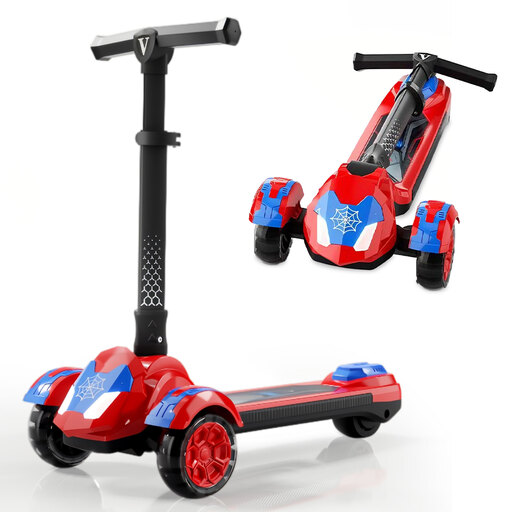
Why it suits this profile: A children’s scooter for ages 3 to 10 with tilt steering, designed for children who are ready to scoot independently and ride outdoors more often.
The three wheels and non-slip footboard address the key control points. The handlebar can be adjusted to three heights; set it according to your child’s height.
Adjustable handlebar, non-slip deck and light-up wheels according to the product name. Check the exact handlebar heights and maximum load before buying.
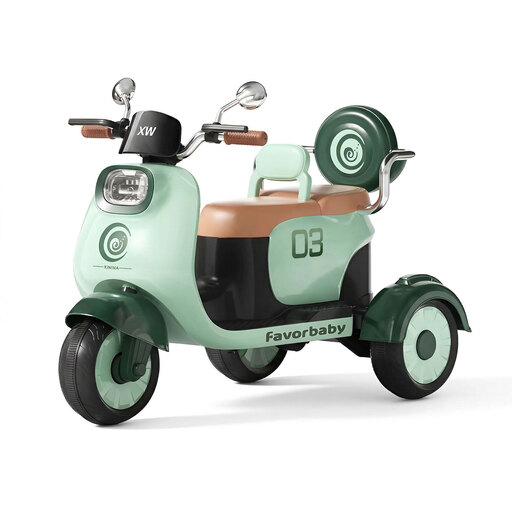
Why it suits this profile: For children aged 3 and over who find electric ride-on vehicles appealing. The product name mentions features including LED lighting, music, USB and a storage compartment.
The three wheels provide a stable base, but supervision is still essential. Pay particular attention to charging instructions, battery life, speed, storage space and the stated maximum weight.
Electric drive, safety seat, storage space and rechargeable battery according to the product name. Check the technical details on the product page.
Choose a flat, open area away from cars. A helmet and suitable knee and elbow protection are recommended for this type of toy. Do not use a balance bike, scooter or electric vehicle on public roads, near stairs, beside water or on a steep slope.
Check before every ride:
Clean the product with a soft, damp cloth. Do not spray high-pressure water onto bearings, steering components or electrical connections. Store an electric model in a dry place and charge the battery according to the manufacturer’s instructions.
We have put together a complete, up-to-date list of products that fully meet these strict selection criteria and the applicable European safety regulations.
A pedal-free balance bike may be suitable from the age of 2, provided your child’s feet can reach the ground and the saddle is adjusted correctly. Always check the height, seat height and safety warnings for the specific model.
This depends on the age recommendation, handlebar height and the child’s motor development. Many models are designed for children aged around 3 and over. A wide, non-slip footboard and tilt steering can help children learn to steer, but guidance is still required.
The lifespan depends on how often the toy is used, the child’s weight, the surface, storage and maintenance. Adjustable components can extend the period of use. Check regularly for loose bolts, wear, cracks and damage. Stop using the product immediately if the frame is deformed or cracked.
