
Vandaag of morgen in huis

Kwaliteit gegarandeerd

Welkomstaanbiedingen ontgrendelen: GRATIS bezorging | Tot 80% korting | Gratis 30 dagen JoyPlus-proefperiode
Download de app
Playing outdoors is great for children, but finding the right toys involves more than looking at the colour, discount or attractive product photo. When choosing outdoor toys for children, it’s important to consider their age, the space available, materials, supervision and maintenance.
A product that works well in a large garden might be awkward to use on a balcony or in a small urban park. Extra accessories, batteries, a power supply or complicated assembly can also increase the overall cost. Use these checks to avoid buying something that sits unused after a few weeks.
An age recommendation is a useful starting point, but it doesn’t tell you everything. Consider the child’s motor skills and experience too. For example, a balance bike for children aged 3 and over requires a different posture and sense of balance from a simple toy for toddlers.
Also check for warnings about small parts, the maximum user weight and whether close supervision is required. For many products, the age limit is linked to choking hazards, the risk of falling or the size of the toy.
A children’s trampoline or inflatable water park takes up more space than the product photo might suggest. So measure the product itself, but also allow for:
For example, a football set for children measuring 426 × 235 cm won’t fit in every garden. A compact sand and water play tree is more practical for a patio or smaller play area.
Terms such as “extra strong”, “safe” or “suitable for all ages” are difficult to assess without product specifications. Instead, look for information you can check, such as the material, dimensions, weight limit, included parts and safety warnings.
According to the product description, the children’s walkie-talkies may have a range of around 300 metres in open areas. The actual range may be shorter in a residential area, forest or building. Treat this distance as an estimated product range, not a guarantee for every situation.
Choose active toys for children that suit their stage of development. Simple ways to get moving are often easier for young children to manage:
For larger play equipment, the user limit is just as important as the age recommendation. For example, the trampoline listed has a maximum user weight of 90 kg and is intended for one user at a time. The inflatable water park has a stated total capacity of up to 120 kg and a maximum of four children. Always follow the product-specific instructions.
Weather, UV rays, damp and dirt are all important factors for garden toys. Plastic is easy to clean, while wooden outdoor games should be stored somewhere dry to help prevent damp and rough patches.
Before each use, check:
For sand and water toys, regular rinsing with clean water is a practical option. The product information for the Water and Sand Play Tree recommends rinsing it after outdoor use and storing it somewhere dry. According to the specifications, it is suitable for ages 3 and over and contains small parts; adult supervision is required.
A CE marking indicates that the manufacturer declares the product complies with relevant European requirements. Also check that the instructions and warnings are clear, and that the responsible manufacturer or importer is identified. A marking is no substitute for supervision or correct assembly.
Place toys on a suitable surface. Don’t use a trampoline in strong winds, and leave the required clear space around and above it. Throwing games, such as wooden outdoor games, need a clearly marked play area away from windows, pets and other children.
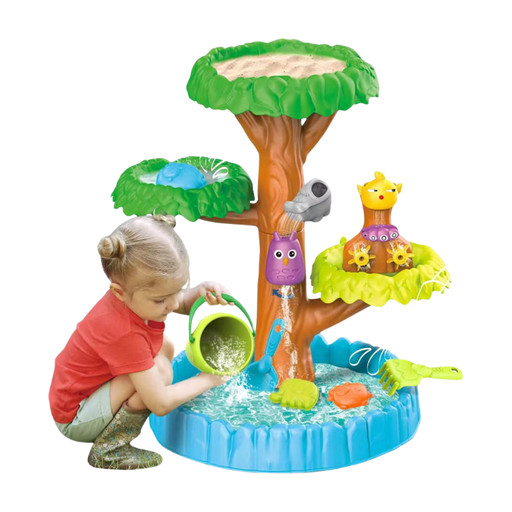
Why it suits this profile: A compact choice for families looking for sensory play without a large piece of play equipment. According to the product information, the set can be used indoors and outdoors.
Its dimensions of around 50 × 42 × 60 cm make it clear how much space you’ll need. The age recommendation of 3 and over and the warning about small parts are also provided.
No batteries required; suitable for sand and water play and relatively easy to clean.
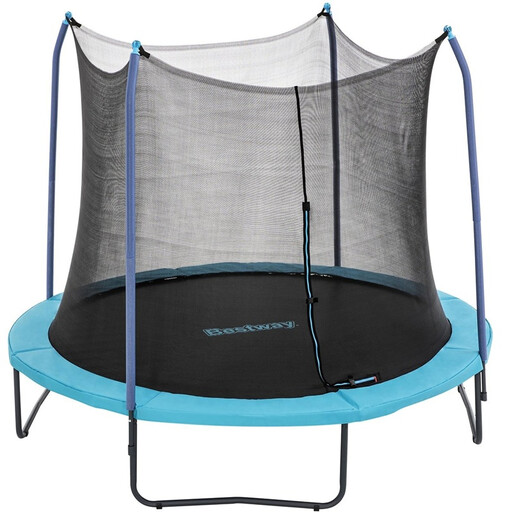
Why it suits this profile: For families with enough garden space who are looking for a permanent piece of active play equipment for children aged 6 and over.
The product information lists an enclosure net, a metal frame, 2 metres of clear space and use by one child at a time.
A diameter of 305 cm, weather-resistant parts and a stated maximum user weight of 90 kg.
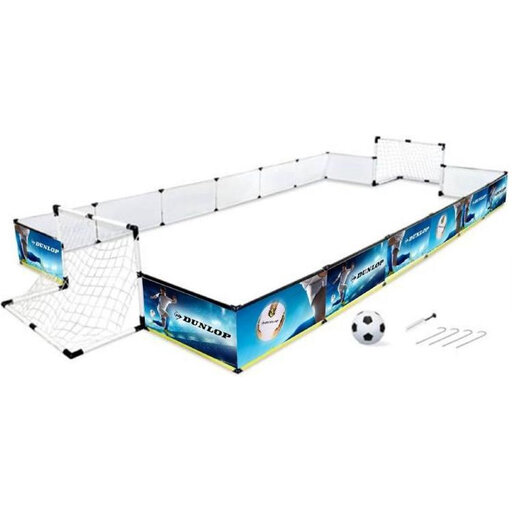
Why it suits this profile: A practical option for children who often play football together in the garden, on a playing field or in the park.
The set lists the exact dimensions, two goals, a ball, a pump, a fence and ground pegs, so you know exactly what’s included before you buy.
Dimensions of 426 × 235 × 36 cm; according to the product information, the goals can also be used separately.
We’ve put together a complete, up-to-date list of products that meet these strict selection criteria and current European safety requirements.
It depends on the child and the product warnings. Sand and water toys, simple outdoor games and some children’s walkie-talkies often carry an age recommendation of 3 and over. Always check for small parts, supervision requirements and instructions.
Lifespan varies depending on the material, how often the toy is used and how it’s stored. Clean plastic toys after use, let fabric parts dry and store wooden outdoor games somewhere dry. Check fixings, nets, tyres and safety edges regularly. Replace any damaged parts before using the toy again.
Remember to factor in batteries, electricity for a blower, water use, protective covers and storage. For example, an inflatable water park may need a blower and a garden hose connection. A balance bike may also mean extra costs for a suitable helmet and protective gear. This helps you compare not just the price, but how practical the toy will be for your situation.
