
Vandaag of morgen in huis

Kwaliteit gegarandeerd

Welkomstaanbiedingen ontgrendelen: GRATIS bezorging | Tot 80% korting | Gratis 30 dagen JoyPlus-proefperiode
Download de app
Anyone who spends a lot of time outdoors quickly realises that sun protection involves more than just sun cream. Whether you are cycling, walking, camping, playing golf or fishing, glare, heat, sweat and a good fit all matter too. The right outdoor sun protection should suit both your activity and the conditions in which you use the product.
Marketing copy does not always make the choice easier. Pay particular attention to verifiable information such as the material, size, UV rating, lens category and ventilation.
A product described with terms such as “sunblock” or “UV protection” does not give you the full picture. Look for a specific indication such as UPF 40+, UPF 50+ or UV400. Also check whether the protection applies to the fabric, lenses or a particular part of the product.
For example, the product description for the PELLIOT hat states UPF50+ and blocks at least 92% of UV radiation. This is a manufacturer’s product specification, not a general guarantee for every situation.
A wide brim can provide extra shade, but without ventilation a hat may feel stuffy. With a sun hat or visor, factors such as weight, air vents, the sweatband and adjustability are therefore important. For cycling, a secure fit and a design that is not easily shifted by the wind are also relevant.
A hat that is too loose may blow away, while a band that is too tight can become irritating during a long walk. With sports sunglasses, wide frames or an unsuitable nose pad can affect visibility and wearing comfort. Also consider the difference between polarised lenses, photochromic lenses and standard tinted lenses.
UPF indicates how much UV radiation a textile product allows through according to the classification used. UPF 50+ is often mentioned for sun hats, sun-protective sleeves and cycling gloves. In practice, protection also depends on coverage, fit, wear and how the material is worn.
UV400 is a designation used for sunglasses. Product descriptions may also refer to UVA and UVB protection. Check the information on the product page and never use sunglasses for looking directly at the sun or for tasks such as welding and grinding.
A wide brim does not automatically protect every part of the face. A model with a neck flap, face panel or longer brim provides more coverage by design than a simple cap.
For longer activities, lightweight materials such as nylon, polyester or TR90 are often practical. TR90 is a plastic used for sports frames. Also look for:
“Breathable” does not mean that a product will stay cool in all conditions. Check how the ventilation has been designed and implemented.
According to the product description, polarised sunglasses can reduce distracting reflections from water, wet roads or car windows. This can be useful when fishing, boating, playing golf and cycling. Photochromic lenses adjust their tint according to the amount of UV light, according to the manufacturer. The result may differ in a car or in cloudy weather compared with outdoors in direct sunlight.
A low VLT value allows less visible light through and can be comfortable in bright conditions. For changing conditions, a model with interchangeable clear lenses or a photochromic function may be more practical.
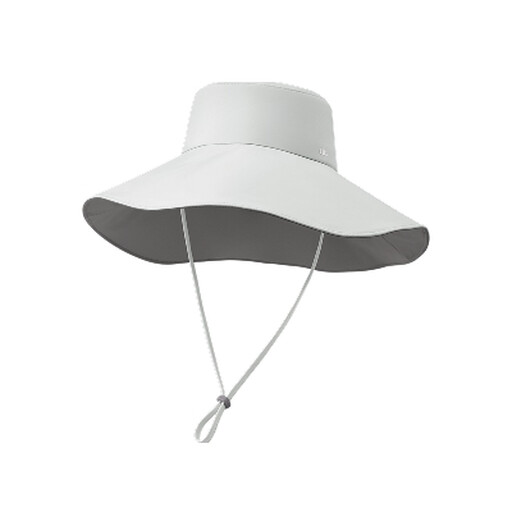
Why it suits this profile: A reversible hat is useful for everyday walks, travel and camping. The product page states that the brim is 16 cm wide and fits a head circumference of approximately 22.4 inches.
The specifications mention UPF 50+, ventilation panels and a foldable brim, so you do not have to rely solely on a general UV claim.
Reversible design, wide brim and ventilation. The fabric is listed as 100% polyester.

Why it suits this profile: This model is designed for cyclists and other users who regularly encounter changing light conditions.
The product information specifies both photochromic and polarised polycarbonate lenses, rather than making only a general claim about tint.
TR90 frame, adjustable nose pads, UV400 rating and a weight of 26–29 grams according to the product page.
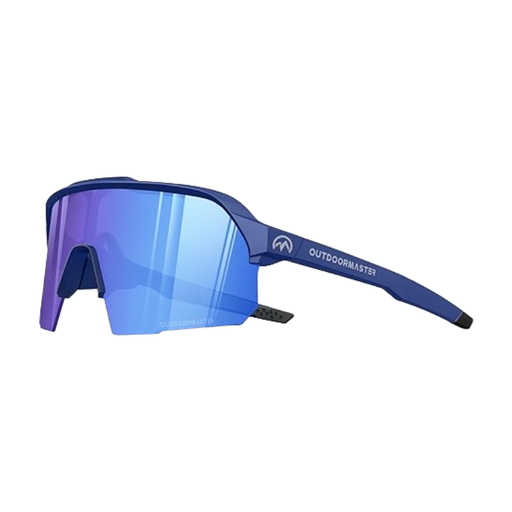
Why it suits this profile: A suitable choice for golf, fishing, boating, cycling and driving, where reflections can be distracting.
The product page specifies 18% VLT, a UV400 rating and included clear replacement lenses. Check beforehand that this light transmission suits your intended use.
Polarised lenses, TR90 frame and a second lens for cloudy or darker conditions, according to the product information.
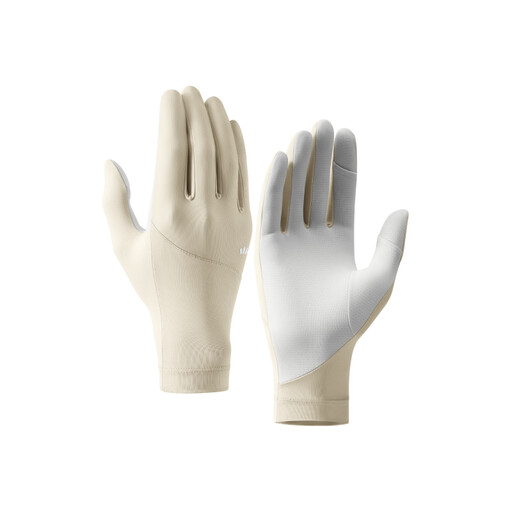
Why it suits this profile: Suitable for cyclists and commuters who want to cover their hands without wearing a full jacket with long sleeves.
Check the sizing and product information rather than relying solely on the word “cooling”. The model is listed as one size.
Lightweight accessory for cycling and easy to combine with sun-protective sleeves, a sun hat or a visor.
We have put together a complete, up-to-date list of products that fully meet these strict selection criteria and the applicable European safety regulations.
A combination of sports sunglasses, cycling gloves and, if necessary, sun-protective sleeves provides practical coverage. For changing light conditions, choose photochromic lenses. In bright conditions and where there are reflections from road surfaces or water, polarised lenses may be suitable according to the product description.
This depends on the material, washing, friction and use. Always follow the care instructions. Some manufacturers state that their protection remains effective after washing, but this should be presented as a brand claim rather than a universal guarantee. Replace accessories when the fabric becomes thinner, the fit deteriorates or the material becomes visibly damaged.
The price depends on the combination you need. A sun hat or visor is a simple starting point. For cycling, fishing or golf, you may also need sports sunglasses, cycling gloves and sun-protective sleeves. So do not compare the price alone: also consider the included accessories, size options, care instructions and stated UV specifications.
