
Vandaag of morgen in huis

Kwaliteit gegarandeerd

Welkomstaanbiedingen ontgrendelen: GRATIS bezorging | Tot 80% korting | Gratis 30 dagen JoyPlus-proefperiode
Download de app
Outdoor sports shoes should suit the terrain, distance and way you move. A pair that feels comfortable on a run around the park won’t necessarily be right for muddy woodland paths or a rocky mountain trail. Yet many shoes are promoted using general claims such as “extra grip”, “durable” or “comfortable”. If you don’t check the specifications, you may end up paying for features that don’t suit the way you use them.
Running shoes are usually lightweight and flexible. Walking and hiking boots often offer more stability and protection, but may feel heavier. If you go on a long mountain walk in ordinary running shoes, you may not get enough support or grip. On the other hand, sturdy walking boots are less suited to a brisk running pace.
So start by thinking about what you’ll use them for most:
A brand name or term such as “Vibram sole” doesn’t tell you everything about how a shoe performs. Grip also depends on the tread, rubber compound, terrain and wear. A sole with deep lugs may suit muddy ground, but feel less comfortable on tarmac.
So check the full product description. Look for a rubber outsole, the type of tread and the stated intended use. For example, the PELLIOT Hiking and Mountain Climbing Shoes are listed as having a Vibram outsole. That’s a verifiable product specification, but it doesn’t guarantee the shoe will perform the same way on every surface.
Sizing can vary between brands and models. The shape of the shoe matters too: a narrow last can feel different from a roomier model in the same EU size. If possible, try outdoor sports shoes on with the socks you’ll wear for walking or running. For longer distances, allow a little room around your toes without letting your heel slip.
When buying online, check the size chart, stated foot length and returns policy. For example, the Adidas Ultrarun 5 in size 43 1/3 lists a foot length of 270 mm. This information is more useful than relying on the size number alone.
For trail running and off-road routes, lugs and multidirectional grooves are worth considering. They can help with push-off and braking on varied terrain. For city use, a flatter tread is often more comfortable and wears more evenly.
A shoe with a Vibram sole may be worth considering for walking and mountain activities, but always check that the model also offers the fit and support you want. The name of the sole is no substitute for assessing the rest of the shoe.
The midsole plays an important role in how running shoes feel. According to the product information, the Adidas Ultrarun 5 uses a Bounce 2.0 midsole. The Adidas Runfalcon 5 features Cloudfoam. These are brand-specific designs, and how they feel will vary depending on the wearer and their running style.
For short road runs, a lightweight, breathable model may be enough. If you run longer distances or often train on hard surfaces, it’s worth considering the fit, flexibility and stability too.
A mesh upper can help with airflow and keep weight down. This is useful for running and summer walks. For rough trails, reinforced sections around the toe and heel are worth looking for. The Nike Pegasus Trail 3 is listed as having a mesh and synthetic upper, a reinforced toe and heel, and a rubber sole with multidirectional lugs.
Also consider care requirements. Product information may recommend cleaning your shoes with a damp cloth and letting them air dry. Machine washing and direct heat can cause materials to wear out more quickly.
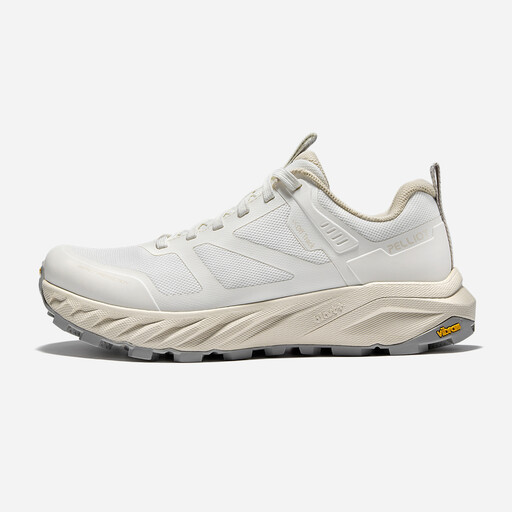
Why it suits this need: This women’s model is designed for trail running and is a good option if you want to try off-road routes without going straight for heavy hiking boots. Check in advance that size 37 is right for your foot length.
The product name makes its intended use clearer than a general sports shoe. Don’t use this model as a substitute for hiking boots on technical routes.
Women’s trail running model; white version; available in EU size 37.
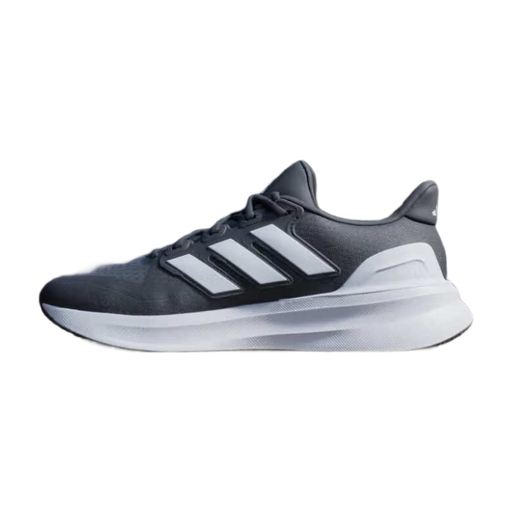
Why it suits this need: For runners who mainly train on roads and value a mesh upper, Bounce 2.0 midsole and Adiwear rubber outsole.
The product details name specific materials and sole components. This makes it easier to compare the model without relying on general claims about comfort.
Bounce 2.0 midsole; mesh upper; Adiwear outsole; OrthoLite insole according to the product description.
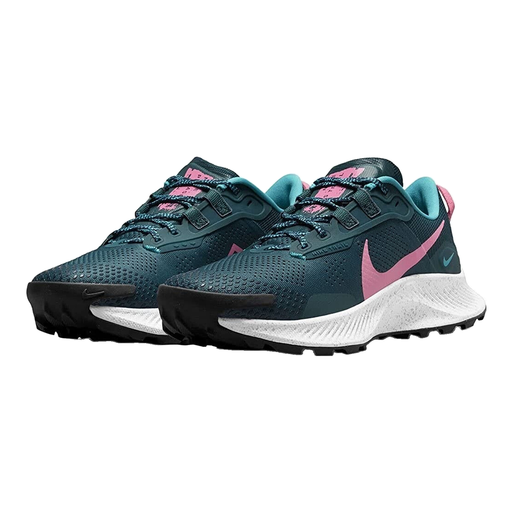
Why it suits this need: According to the product description, this model is designed for trail running, city runs and other outdoor activities. The combination of mesh, synthetic reinforcements and a sole with multidirectional lugs is suited to varied terrain.
The description distinguishes this model from standard road running shoes with its trail tread and reinforced toe and heel. Do check that size 38.5 is right for you.
React foam midsole; multidirectional lugs; reinforced toe and heel; suitable for trail and city use according to the product information.
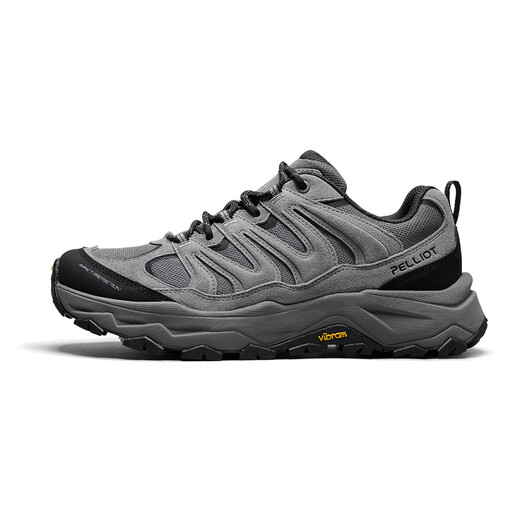
Why it suits this need: The product name mentions walking, mountaineering and a Vibram outsole. This makes it a targeted choice for men looking for a more robust shoe for outdoor activities.
The intended use and Vibram outsole are clearly stated in the product name. Also check the size and fit before setting off on a long route.
Vibram outsole according to the product listing; dark grey version; EU size 43; designed for walking and mountaineering.
We’ve put together a complete, up-to-date list of products that meet these strict selection criteria and the applicable European safety regulations.
Their lifespan depends on how often you use them, the terrain, your body weight, care and storage. Check the tread, seams and cushioning regularly. Replace your shoes when the sole is clearly worn smooth, the upper is torn or the fit changes. There’s no set mileage that applies to every model.
You can wear them on easy paths and shorter walks, as long as the fit and grip suit your route. For carrying a heavy pack, steep routes or rocky terrain, walking or hiking boots may offer more protection and stability. Always compare the tread and firmness of the sole.
According to the product information, Adidas running shoes such as the Ultrarun 5 and Runfalcon 5 are mainly designed for road running. For muddy or technical trails, trail running shoes are a more suitable choice, as they generally have more specialised tread patterns. So choose based on the terrain, not just the brand or appearance.
