
Vandaag of morgen in huis

Kwaliteit gegarandeerd

Welkomstaanbiedingen ontgrendelen: GRATIS bezorging | Tot 80% korting | Gratis 30 dagen JoyPlus-proefperiode
Download de app
An outdoor sensor light seems like a simple purchase—until it starts malfunctioning after the first autumn storm, or the sensor reacts more to the neighbour's cat than to you. Many models promise convenience and security, but in practice, ill-considered choices often lead to frustration and wasted money. Before you make a decision, it's wise to understand the common pitfalls and how to avoid them.
The most common mistakes:
To avoid buyer's remorse, it's essential to look beyond the marketing jargon and focus on a few key technical specifications. These determine whether a light is suitable for your situation.
The IP (Ingress Protection) rating indicates how well a device is protected against dust and water. This is arguably the most important specification for outdoor lighting.
The choice between a solar-powered outdoor light with a sensor and a mains-powered model depends on the location and your needs.
Not every light needs to illuminate a stadium. The right brightness (lumens) and light colour (Kelvin) depend on the purpose.
Based on these criteria, we have highlighted several popular choices that cater to specific needs and situations.
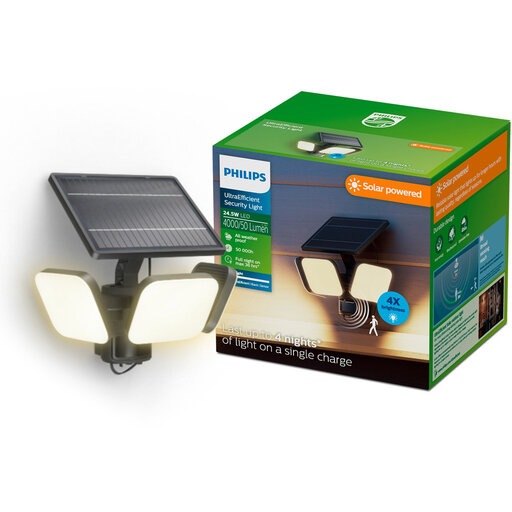
Why This Fits Their Persona: This light is designed for those who take security seriously. With a very high light output of 4000 lumens and a wide detection angle, it effortlessly illuminates an entire driveway or backyard, deterring unwanted visitors.
The IP65 rating makes it completely weatherproof. According to Philips, its efficient solar technology can provide up to 4 nights of light on a full battery, tackling the pitfall of unreliable solar power in winter.
Very high light output (4000 lm) for maximum visibility. Wide detection radius (up to 16 metres) and no wiring installation required.
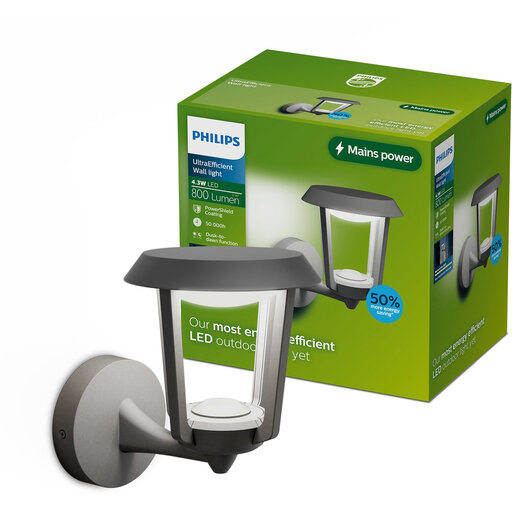
Why This Fits Their Persona: For those seeking a functional light that also enhances their home's facade. The classic lantern design and warm white light (2700K) create a welcoming atmosphere at the front door or in the garden, without the cold effect of a harsh floodlight.
This light runs on mains power, which eliminates the unreliability of solar energy. The IP44 rating is sufficient for sheltered installation, and the materials (aluminium with PowerShield coating) are designed for durability.
Stylish and classic design. Reliable operation due to mains connection and a pleasant warm white light (2700K).

Why This Fits Their Persona: Perfect for anyone who doesn't want to deal with installation. This wireless light is rechargeable via USB-C and can be instantly placed or hung anywhere thanks to a magnetic holder. Ideal for balconies, sheds, or temporary lighting.
This model completely bypasses the pitfall of unreliable solar power by using a rechargeable battery. The IP44 rating is suitable for sheltered outdoor use, which is exactly where such a flexible light is most effective.
Extremely flexible: wireless, rechargeable, and magnetic mounting. No installation required. Warm white light (3000K) for a pleasant atmosphere.
We have compiled a complete, up-to-date list of products that fully meet these strict selection criteria and UK safety standards.
On many models, you can adjust the settings using small dials on the light itself, often labelled 'SENS' (sensitivity) and 'TIME' (on-time). 'SENS' controls the distance at which the sensor detects motion. 'TIME' sets how long the light stays on after activation. Some lights also have a 'LUX' dial to set the level of darkness at which the sensor becomes active. Always consult the manual for your specific model.
A major advantage of an LED outdoor sensor light is its lifespan. The LEDs themselves often last a very long time; manufacturers specify a lifespan of 20,000 to 50,000 operating hours. In practice, this means the light itself can last for more than 15 years. The sensor and other electronics are usually the components that may fail first, but even with these, you can expect a lifespan of many years from a quality product.
An outdoor sensor light often has both.
