
Vandaag of morgen in huis

Kwaliteit gegarandeerd

Welkomstaanbiedingen ontgrendelen: GRATIS bezorging | Tot 80% korting | Gratis 30 dagen JoyPlus-proefperiode
Download de app
As a Joybuy Product Recommendation Officer, I see people searching for the right outdoor lighting every day. You want security and convenience: light when you come home and a deterrent for unwanted visitors. But the market is flooded with lights that over-promise and under-deliver. Before you make a purchase, it's important to know the common pitfalls so you don't waste money on a product that fails after just a few months.
Here are the three most common mistakes when buying an outdoor light with a sensor:
To avoid these pitfalls, it's crucial to look at the specifications rather than marketing claims. Pay special attention to the following three points.
The IP (Ingress Protection) rating indicates how well a device is protected against dust and moisture. This is an objective standard, not a vague promise.
Always choose an IP rating that matches the location where you plan to install the light.
The power source determines not only the ease of installation but also the reliability.
A good sensor is the core of an effective security light with a sensor. Look for the following specifications:
Based on these objective criteria, we have selected a number of products that suit different needs and situations.
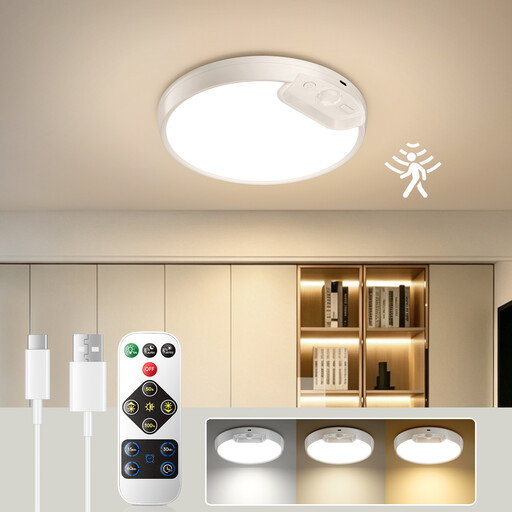
Why This Fits Their Persona: Simple, wireless installation and versatile for covered areas like a porch, shed, or garage. No fussing with cables and ideal for places without a direct power outlet.
The large, rechargeable 8000mAh battery makes you independent of the sun, bypassing a common problem with cheap solar lights. The specifications are clear, without vague 'weatherproof' claims.
Long runtime per charge and a remote control with adjustable colour temperatures (3000K, 4000K, 6500K) and brightness.

Why This Fits Their Persona: Seeks maximum security and reliability. This powerful spotlight with a sensor illuminates a large driveway or garden and effectively deters unwanted visitors.
With an IP65 rating, this light is fully resistant to the heaviest downpours. According to Philips, its efficient solar technology provides up to 4 nights of light on a full battery, which is a realistic claim.
Very high light output (4000 lumens) and a superior detection range (up to 16 metres laterally) with no blind spots.

Why This Fits Their Persona: Ideal for those seeking a sustainable and easy-to-install solution for a facade or fence. No energy costs and no pulling cables, perfect for a DIY project.
This model is designed for efficiency. The IP44 rating is clearly specified for sheltered outdoor locations, which prevents a bad purchase for an unprotected wall.
Simple, wire-free installation and reliable performance from a trusted brand like a Philips outdoor light. The 1000 lumen light output is more than sufficient for entryways and walkways.
We have compiled a complete, up-to-date list of products that fully meet these strict selection criteria and safety regulations.
The ideal height is typically between 1.8 and 2.5 metres. At this height, the PIR sensor has an optimal range and the lamp is less susceptible to tampering. Always read the manufacturer's manual for specific recommendations.
Yes, but performance may be reduced. High-quality models with efficient solar panels and large battery capacities are designed to function even with less sunlight. Place the light in a location where it can receive the most direct sunlight during the day, even in winter.
On many models, you can adjust the sensor's sensitivity and the light duration (how long the light stays on after detection). Some advanced lights, such as a spotlight with a sensor, also offer the ability to adjust the detection angle. Check the product description to see which adjustment options are available.
