
Vandaag of morgen in huis

Kwaliteit gegarandeerd

Welkomstaanbiedingen ontgrendelen: GRATIS bezorging | Tot 80% korting | Gratis 30 dagen JoyPlus-proefperiode
Download de app
An outdoor light with a sensor is a smart addition to your home. It offers convenience when you arrive home in the dark, deters unwanted visitors, and saves energy. But the search can be frustrating. Many lights promise the world but fall short in practice. Before you invest, it's wise to know where the pitfalls lie.
Common mistakes are often the result of marketing that paints a rosier picture than reality. Here are a few areas where things frequently go wrong:
outdoor solar light with a sensor sounds ideal: no fuss with cables and no electricity costs. In reality, the light barely provides any illumination after a few dark winter days—precisely when you need it most.security light for outdoors that switches on for every passing cat, or one that only reacts when you're already fumbling with your keys at the door.A good purchase depends on seeing through these claims and choosing the right specifications for your situation.
To avoid a bad buy, it's important to look beyond just the design. Three technical specifications are crucial for the performance and lifespan of your outdoor lighting with a sensor.
The IP rating (Ingress Protection) indicates how well a light is protected against dust and moisture. This isn't a marketing term, but an international standard. For outdoor lighting, two ratings are important:
outdoor wall light with a motion sensor placed under an overhang or next to the front door.fa?ade lighting with a sensor.The choice of power source directly impacts reliability and installation.
LED outdoor light with a sensor, which keeps power consumption low.A sensor makes the light 'smart,' but only if it functions correctly. Pay attention to the following types:
Not everyone needs the same light. Below are a few recommendations, tailored to specific user profiles.
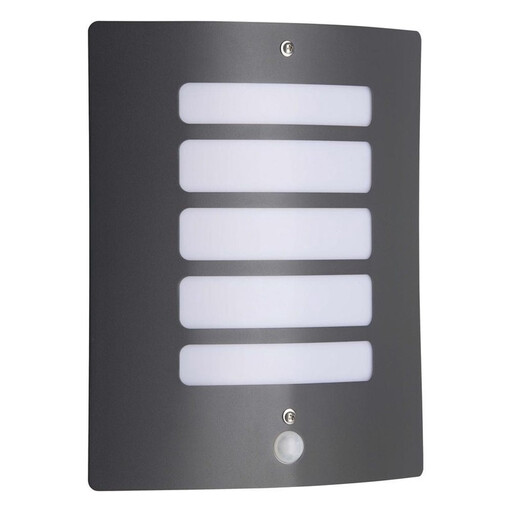
Why This Fits Their Persona: This user is looking for a reliable, no-nonsense solution for their front or back door. No frills, just light when it's needed. This lamp connects to the mains, so it always works.
It bypasses the 'solar power pitfall' with a direct mains connection, ensuring constant reliability. The E27 fitting gives you the freedom to choose your own energy-efficient LED bulb.
Reliable power supply: Always works, regardless of the weather. Flexible light source: Choose the desired brightness and colour temperature of your E27 LED bulb yourself.
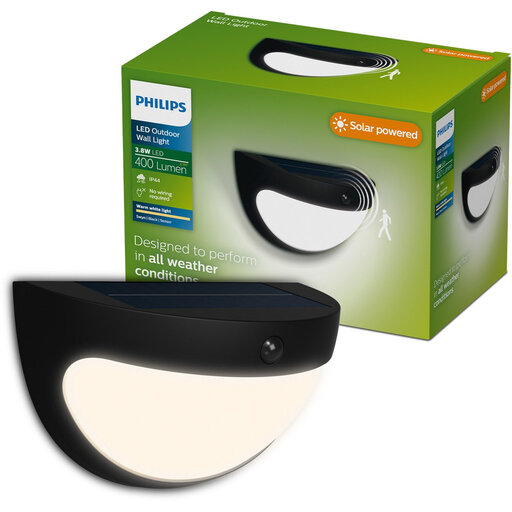
Why This Fits Their Persona: Ideal for those seeking an eco-friendly solution without the hassle of running cables. Perfect for a shed, garden house, or driveway where there's no nearby power outlet.
Philips states that their solar panels and battery are efficiently designed for long-lasting performance. The combination of a motion and dusk-to-dawn sensor maximises battery life.
Simple installation: No cables, can be placed anywhere with sufficient sunlight. No energy costs: Runs 100% on solar power.

Why This Fits Their Persona: For those who prioritise security. This light is designed to fully illuminate a driveway, backyard, or dark corner and deter unwanted guests. Its high light output is purely functional.
Many 'security lights' provide too little light to be a real deterrent. With a light output of 1000 lumens, this lamp is significantly more powerful than a standard decorative outdoor light.
High light output: The 1000 lumens provide bright illumination over a large area. Flexible placement: Thanks to solar power, it can be mounted in strategic locations for maximum security.
An outdoor light is a very personal choice. The style, colour, and functionality must match your home and garden. Browse our full range to find the perfect match.
Most outdoor sensor lights have small adjustment dials, often labelled 'TIME', 'SENS', and 'LUX'.
The LED light source itself is very durable. Manufacturers often state a lifespan of 25,000 to 50,000 burning hours. In practice, this means the LEDs themselves can last more than 15 years. The weaker links are usually the sensor or the electronics, especially in cheaper models that are less protected against moisture.
Yes, but performance heavily depends on quality and location. A good outdoor solar light with a sensor has an efficient solar panel and a battery with sufficient capacity. Place the panel in a spot where it catches the most direct sunlight during the day (ideally south-facing). In the darkest winter months, the on-time may be shorter, but a quality light from a brand like Philips is designed to function even with less sunlight.
