
Vandaag of morgen in huis

Kwaliteit gegarandeerd

Welkomstaanbiedingen ontgrendelen: GRATIS bezorging | Tot 80% korting | Gratis 30 dagen JoyPlus-proefperiode
Download de app
An outdoor security camera can help you keep an eye on your front door, garden, driveway, garage or business premises. However, there’s a big difference between models. A low purchase price doesn’t tell you much if you later have to pay extra for cloud storage, recharge the camera regularly or struggle with an unreliable Wi-Fi connection.
As Joybuy Product Recommendation Officer, I check product information against verifiable specifications. This can help you turn marketing terms into practical requirements for the UK.
A camera with 5MP or 4K resolution sounds appealing, but image quality also depends on the lens, lighting conditions and viewing angle. A fixed lens may be enough for a narrow front door. For a wide driveway, a viewing angle of, for example, 150 degrees or a camera that can pan and tilt may be more practical.
Also check the frame rate. A camera that only displays high-resolution footage at 15 frames per second may produce less smooth images than you expect.
A wireless outdoor security camera usually connects via Wi-Fi and runs on a battery. This means you don’t need a long network cable, but battery life varies according to the product information, depending on settings, usage, temperature and the number of notifications.
A solar-powered security camera can reduce how often you need to recharge it, but it needs enough sunlight. So don’t place the panel under a canopy or in a north-facing spot without checking that it will receive enough light.
Many models support both local and cloud storage. With a camera that uses a microSD card, you’ll usually need to buy the card separately. Cloud storage can be useful if the camera is damaged or stolen, but check in advance whether you need a subscription and how long footage is kept.
A free trial doesn’t guarantee free storage for the camera’s entire lifespan. Also check whether you can download important footage manually.
The IP rating indicates how well a casing is protected against dust and water. An IP65 security camera is dust-tight and protected against water jets. An IP66 security camera offers greater protection against powerful water jets. Neither rating means the camera can be submerged.
Also check the power cable connection. A weather-resistant casing won’t help much if an exposed connector lets rainwater in.
A basic motion detection camera responds to movement in the image. This could include a cat, a tree branch or a passing car. Models with person or vehicle detection aim to make notifications more specific.
Think of this as a filter, not foolproof recognition. Set detection zones and sensitivity carefully. Don’t point a camera at the public road or your neighbours’ property unnecessarily. In the UK, you must take privacy rules into account and inform visitors where necessary.
Check the stated night vision range. A camera with night vision up to 10 metres isn’t automatically suitable for a long driveway. Colour night vision often uses additional lighting, while infrared night vision usually displays images in shades of grey.
Two-way audio is useful for speaking to a delivery driver or warning someone at the gate. For a stable connection over a longer distance, 2.4GHz Wi-Fi is often suitable, while some models also support 5GHz. Always check the distance from your router and the camera’s position. An app-controlled camera is only practical if notifications arrive quickly and the app works on your phone.
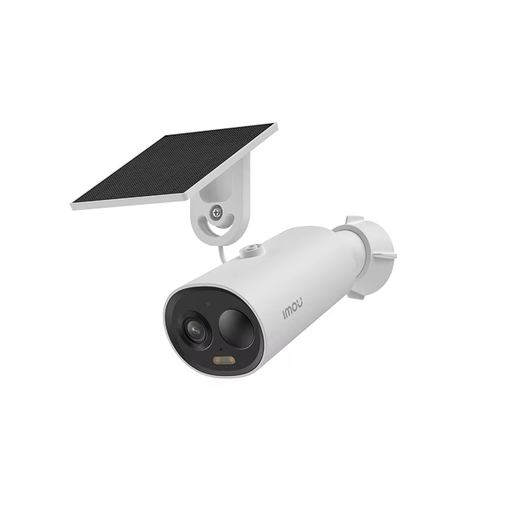
Why it suits this type of buyer: The camera supports battery or DC power and is designed for use in places such as gardens, garages or on exterior walls. It’s set up using the Imou app.
Its stated IP66 rating and support for microSD storage mean you don’t have to rely on cloud storage alone.
3MP resolution, night vision up to 15 metres, person detection and support for microSD cards up to 256GB.
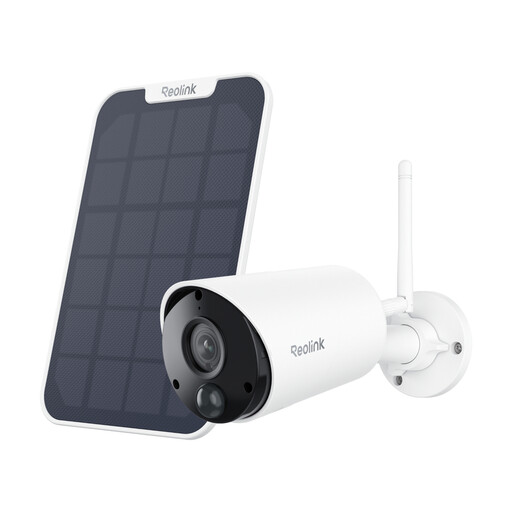
Why it suits this type of buyer: This model combines a battery, solar panel support and several storage options, making it a good choice if image quality and flexibility matter to you.
The product description lists local storage up to 128GB alongside cloud storage. This means a subscription isn’t the only storage option mentioned.
5MP resolution, 100° diagonal viewing angle, person and vehicle detection, two-way audio and IP65 protection.
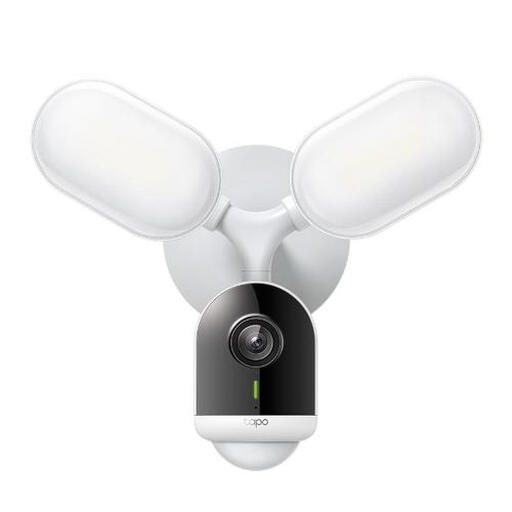
Why it suits this type of buyer: This wired model is designed for a fixed position where continuous power is preferred, such as by a garage, entrance or business premises.
With a fixed power supply, you don’t need to make battery life or limited solar output your main consideration.
2560 × 1440 pixels, IP65, night vision up to 29.9 metres, motion detection and microSD support up to 512GB.
We’ve put together a complete, up-to-date list of products that meet these strict selection criteria and the applicable European safety requirements.
You’ll usually need Wi-Fi for live viewing, notifications and app controls. Some models can record locally to a microSD card if the internet connection temporarily drops out. Check each product to see which features remain available without the internet.
It depends on the temperature, image quality, detection settings, Wi-Fi signal and number of events. A solar-powered security camera can extend the time between charges, but performance varies depending on where it’s installed and the season. Manufacturer estimates are therefore a guide, not a guarantee.
With local microSD storage, ongoing costs may be limited to electricity and, if needed, a replacement memory card. Cloud storage may require a paid subscription. So compare more than just the purchase price: take storage costs, accessories and any charging or installation costs into account too.
