
Vandaag of morgen in huis

Kwaliteit gegarandeerd

Welkomstaanbiedingen ontgrendelen: GRATIS bezorging | Tot 80% korting | Gratis 30 dagen JoyPlus-proefperiode
Download de app
Feeling secure in and around your own home is essential. Whether you want to see who is at the door, keep an eye on your driveway, or simply go on holiday with peace of mind, a good outdoor security camera can provide the solution. However, the market is vast, and the specifications can be overwhelming.
As a Joybuy Product Recommendation Officer, I'm here to help you cut through the marketing jargon. In this article, we'll discuss what to look for and highlight several popular choices, enabling you to make an informed decision that fits your situation and budget.
Before we dive into specific models, here are a few practical considerations to help you choose the right outdoor security camera.
Installation is often a decisive factor. Traditional cameras require a power cable, which involves drilling and cable management. Fortunately, more flexible options are available:
What good are recordings if you can't recognize anything? Pay attention to the resolution. Full HD (1080p) is now the standard for sharp images. For even more detail, 4K cameras are available.
Just as important is night vision. A Wi-Fi camera with night vision can work in two ways:
A modern outdoor camera with a motion detector does more than just record. Smart software can distinguish between people, animals, and vehicles. This reduces the number of unnecessary notifications on your phone. You can also often set up activity zones, so you only receive an alert when there is movement in your driveway, and not when the neighbour's cat walks through the garden. This outdoor IP camera sends footage and notifications directly to an app on your smartphone.
Based on specifications and functionality, we have selected a few cameras that offer a great solution for common situations.
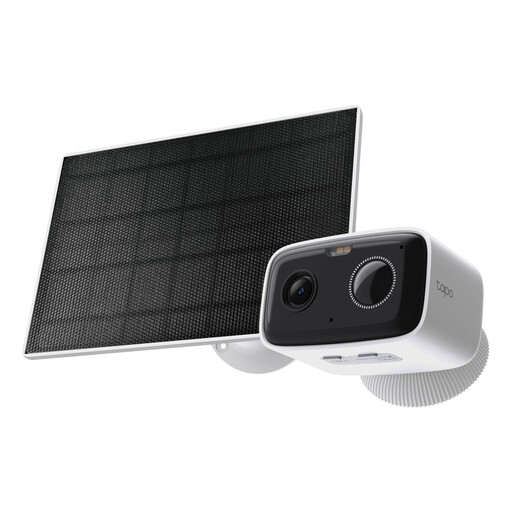
Why It Stands Out: This camera combines ease of installation with smart features, all without mandatory subscription fees. The AI person detection works locally on the camera, which benefits both your privacy and your wallet.
Advantages:
Who is this a good choice for? For homeowners looking for a reliable and easy-to-install wireless outdoor camera with key smart features, without being tied to monthly fees.
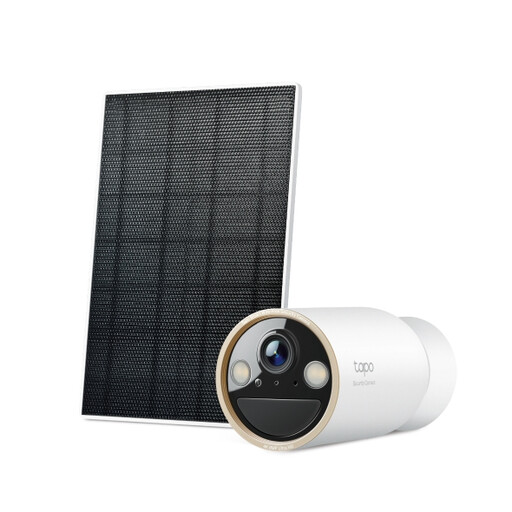
Why It Stands Out: This is a 'set it and forget it' solution. Thanks to the included solar panel, manual charging is a thing of the past in most situations. Furthermore, the 4K resolution provides exceptionally sharp footage.
Advantages:
Who is this a good choice for? Ideal for those seeking maximum convenience and minimal maintenance. Perfect for securing a holiday home, shed, or other locations you don't visit regularly to charge a battery.
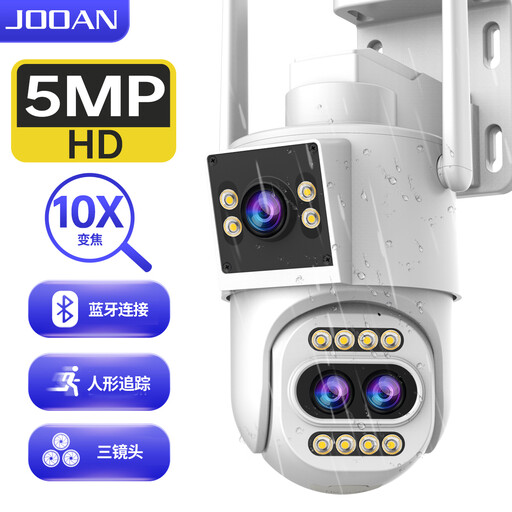
Why It Stands Out: This camera offers unprecedented flexibility thanks to its three lenses and pan-tilt-zoom (PTZ) functionality. You can maintain a wide overview while also zooming in on details.
Advantages:
Who is this a good choice for? For users who want to monitor a large property, such as a long driveway, a large garden, or a business premises, and need the flexibility to actively pan, tilt, and zoom.
Sometimes, one camera isn't enough to cover all angles of your property. If you need multiple cameras that work together seamlessly, a set is often a practical and cost-effective choice.
? Check out our selection of security camera sets here.
Not always. Many cameras, like the TP-Link Tapo C400, offer basic functions such as motion detection and live viewing without a subscription. They often store footage locally on a microSD card. A subscription is usually optional and provides extras like extended cloud storage of footage or more advanced AI features.
The IP (Ingress Protection) rating indicates how well a device is protected against dust and water. The first digit (6) means the camera is completely dust-tight. The second digit indicates the protection against moisture:
A solar-powered security camera has an internal rechargeable battery, just like a regular wireless camera. The difference is that a small solar panel is connected to it. This panel captures sunlight during the day and converts it into power, which recharges the battery. According to manufacturers, a few hours of direct sunlight per day are often enough to keep the battery topped up, making manual charging unnecessary.
