
Vandaag of morgen in huis

Kwaliteit gegarandeerd

Welkomstaanbiedingen ontgrendelen: GRATIS bezorging | Tot 80% korting | Gratis 30 dagen JoyPlus-proefperiode
Download de app
An outdoor rucksack needs to do more than look spacious in a product photo. Whether you’re walking through the Veluwe, on a cycling holiday or setting off on a multi-day trek, you’ll soon notice whether the carrying system works, the compartments are practical and the material can cope with changeable weather. This guide helps you compare a walking rucksack, trekking rucksack or travel rucksack based on verifiable features, not just marketing claims.
A 30L backpack, 40L backpack or 45L backpack gives you a rough idea of its capacity. However, two bags with the same capacity can feel quite different because of their shape, compartment layout and external attachment points. In practice, a compact main compartment with few accessible pockets may be less convenient than a bag with a slightly smaller main compartment and several well-placed storage options.
So, look for:
A lightweight rucksack can be ideal for a day hike, but when you’re carrying a heavier load, an adjustable back length, hip belt or frame matters more than the empty weight alone. A basic bag with thin shoulder straps can put pressure on your shoulders when fully loaded.
Check whether the bag:
A waterproof rucksack needs more than water-repellent fabric. The zips, seams and fastenings also affect how much protection it offers. Product descriptions use different terms, so check them carefully. For example, a separate waterproof compartment doesn’t mean the entire bag is waterproof.
For changeable British weather, a rain cover or waterproof liner is often a practical addition. Check whether the manufacturer specifies a particular waterproof rating, too. If no such information is provided, don’t assume the bag offers complete protection in prolonged rain.
For a day hike, a hiking rucksack of around 20 to 30 litres is often enough for clothing, food, drink and a waterproof jacket. For a short trek, a 40L rucksack or 45L trekking rucksack may be more suitable. If you’re taking camping gear, you may need a large rucksack, but a bigger bag can also tempt you to pack more than you need.
A practical guide:
Compare the weight of the empty bag with the features you’ll actually use. For example, the Mobi Garden Phantom Pro has a 45-litre capacity and weighs around 1.35 kg according to the product information. The 40-litre PELLIOT trekking rucksack is listed at around 1.06 kg, with a load capacity of approximately 11 kg.
A frame may add a little weight, but it can help support a heavier load. For a lightly packed walk, a simple lightweight rucksack may be more practical. Pack heavier items close to your back. Then adjust the hip belt first, followed by the shoulder straps and, finally, the chest strap.
The Mobi Garden Phantom Pro is described as being made from lightweight, tear-resistant Dyneema composite fabric, but the product information also warns against sharp objects and forceful cuts. The PELLIOT 40L combines hard-wearing material with an aluminium frame and a ventilated EVA back panel.
Also check:
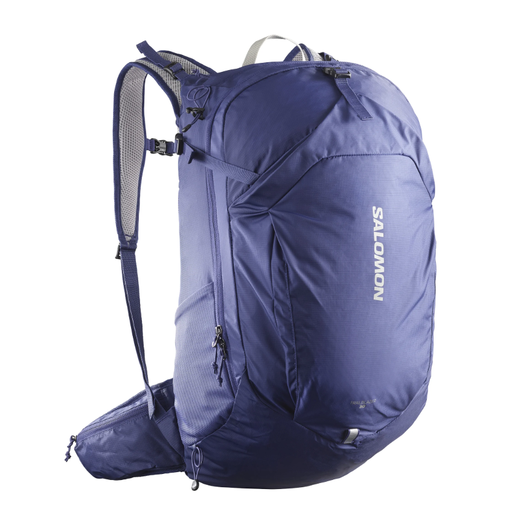
Why it suits this user: The 30-litre capacity works well for day hikes, trips around town and everyday use. The adjustable shoulder straps and ventilated back panel are designed for carrying comfort.
The product description mentions several pockets and an ergonomic design, so you don’t have to rely on the capacity figure alone.
30-litre capacity, nylon and polyester fabric, breathable mesh, and at least a two-year statutory warranty according to the product information.
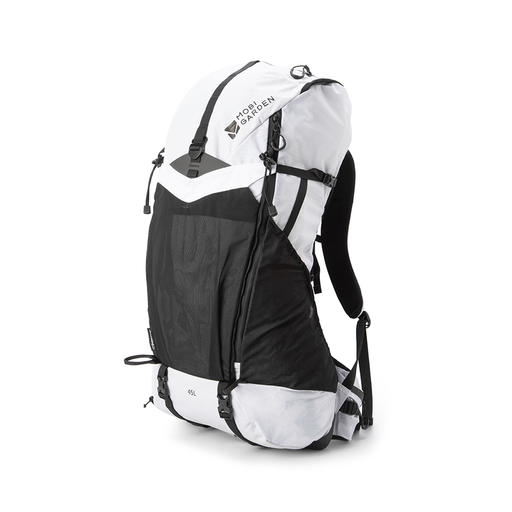
Why it suits this user: This 45L trekking rucksack is designed for backpacking, hiking and trekking with lightweight gear for around two to three days.
The bag has a 3D ventilated back panel, as well as a hip belt and chest strap. The product information does warn against carrying sharp objects without protection.
Around 1.35 kg, a separate waterproof compartment for a hydration system, external attachment points and stretchy side pockets.
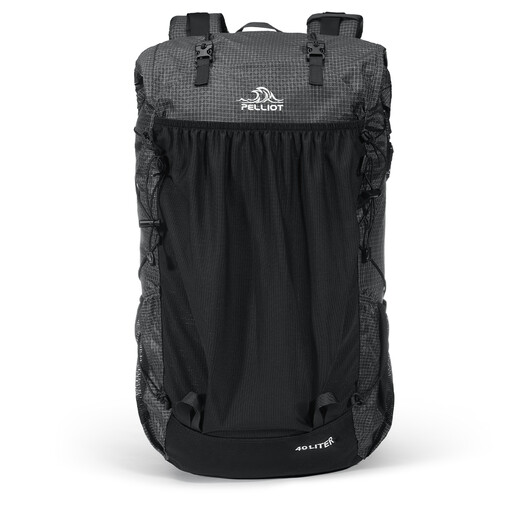
Why it suits this user: This 40L camping and trekking rucksack is designed for two- to three-day trips with more gear and a heavier load.
The integrated alloy frame and adjustable sizing show why load distribution matters more than simply having a large main compartment.
Around 1.06 kg, a load capacity of approximately 11 kg, hip belt pockets, sleeping mat attachment and a choice of S/M or L/XL.
We’ve put together a complete, up-to-date list of products that meet these strict selection criteria and the applicable European safety requirements.
For a day hike, 20 to 30 litres is often practical. That gives you room for food, drink, an extra layer and a waterproof jacket. If you’re taking camera equipment, lots of clothing or camping gear, 30 to 40 litres may be more convenient.
Pack heavier items close to your back. Then adjust the hip belt so it sits firmly around your hips, tighten the shoulder straps and use the chest strap to keep them stable. For a trekking rucksack, make sure the size suits your torso length and waist measurement.
Don’t overload the bag, protect sharp camping equipment and follow the manufacturer’s care instructions. Many outdoor bags can be cleaned with a damp cloth. Let a wet bag dry completely before storing it, and avoid leaving it in direct sunlight for long periods.
