
Vandaag of morgen in huis

Kwaliteit gegarandeerd

Welkomstaanbiedingen ontgrendelen: GRATIS bezorging | Tot 80% korting | Gratis 30 dagen JoyPlus-proefperiode
Download de app
A clear view of your property provides peace of mind. Whether it's your driveway, back garden, or business premises, you want to know what's happening, even when you're not there. However, the security camera market is vast, and the technical specifications can be overwhelming. An Outdoor PTZ Camera (Pan-Tilt-Zoom) offers a flexible solution, but which model is right for your situation? Do you have a stable Wi-Fi connection, or is a 4G outdoor camera a better choice? And what about the power supply?
This article will help you make an informed decision. We'll explain the most important specifications and present a selection of popular models, so you can find the camera that meets your needs.
Before we look at the products, here are a few practical considerations to help you choose the right rotating outdoor camera.
The camera's location largely determines your options.
A 360-degree outdoor security camera can monitor a large area. The PTZ function allows you to remotely pan, tilt, and zoom the camera. Pay attention to the following specifications:
Modern cameras are more than just a lens. A security camera with AI detection can distinguish between people, animals, and vehicles. This reduces the number of unnecessary notifications caused by things like moving branches or a passing bird. Some cameras can even automatically track a detected object within their field of view.
Based on the criteria above, we have selected a number of models that cover different needs and situations.
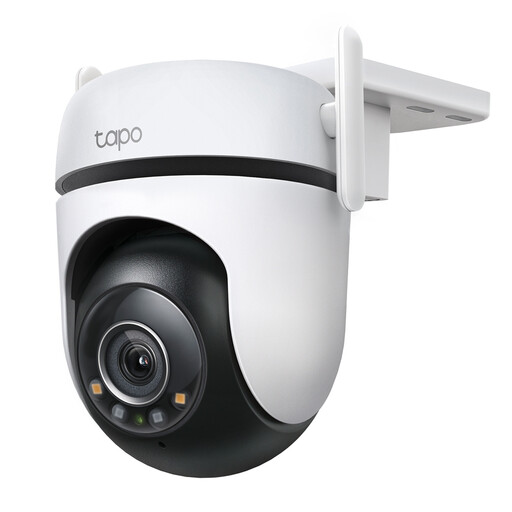
Why this model stands out: The Tapo C520WS is a solid all-rounder for anyone with a reliable Wi-Fi connection and a nearby power source. The camera offers a sharp image and, according to the manufacturer, clear full-colour night vision thanks to its 'starlight' sensor. The combination of Wi-Fi and an optional wired connection makes installation flexible.
Specifications & Benefits:
Who is this camera for? For homeowners looking for a reliable, rotating camera for areas around the house (like the front or back garden) who have a good Wi-Fi network and a power outlet available.
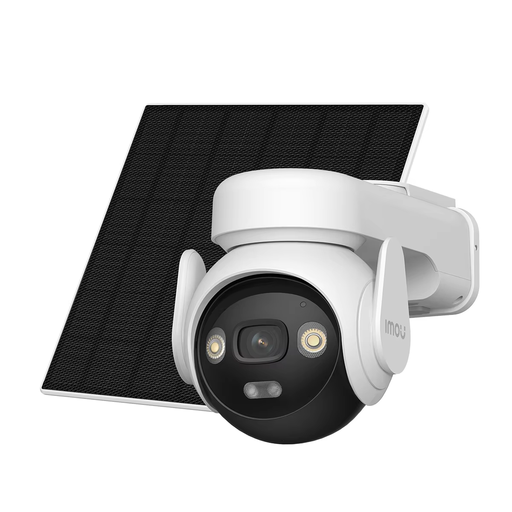
Why this model stands out: This camera from IMOU is designed for complete autonomy. Thanks to the combination of a 5W solar panel, a large 10,000mAh battery, and 4G LTE connectivity, this camera can be placed almost anywhere with mobile coverage. The 5MP resolution ensures an extra-sharp image.
Specifications & Benefits:
Who is this camera for? Ideal for SME owners with a remote business site, farmers, or homeowners with a large property where no power or Wi-Fi is available.
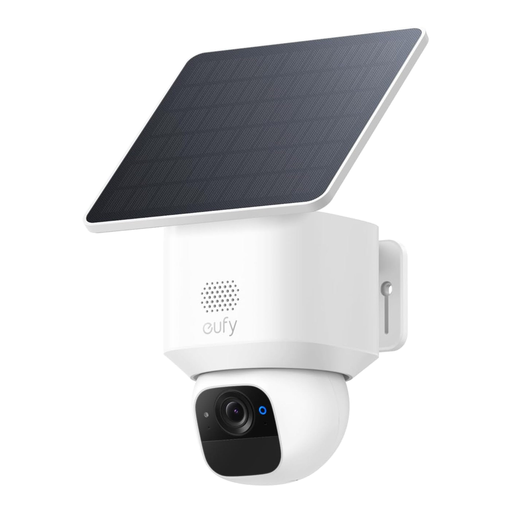
Why this model stands out: The eufy E30 combines the convenience of a solar-powered outdoor camera with smart tracking features. The built-in AI tracking ensures the camera automatically pans to follow a person or vehicle. A major advantage of eufy is its focus on local storage, meaning there are no mandatory subscription fees.
Specifications & Benefits:
Who is this camera for? For users who want a smart, self-sufficient camera with active tracking and prefer local storage without subscription fees. A stable Wi-Fi connection at the installation site is required.
A PTZ camera is an excellent choice for actively monitoring a large area. However, if you are specifically looking for a camera to observe wildlife or for locations far from any buildings where camouflage is important, another type of camera may be more suitable.
Check out our selection of trail cameras with remote control for specialised solutions designed for discreet outdoor monitoring.
A fixed (or 'bullet'/'dome') camera has a set field of view. A PTZ camera offers flexibility: you can remotely adjust the viewing angle and zoom in on specific details. This allows you to cover a much larger area with a single camera than is possible with a fixed one.
Not always. Most cameras, including the models mentioned above, offer the option to store footage locally on a microSD card. This is a one-time purchase. Manufacturers also often provide an optional, paid cloud storage service. These services offer extras such as longer footage retention and off-site backups.
Effectiveness depends on the amount of direct sunlight. During the dark winter months with heavy cloud cover, the solar panel may not be able to fully recharge the battery. Most models have a large battery that can bridge these periods. It is wise to mount the camera in a location that catches as much sunlight as possible, even in winter. Some cameras also offer the option to recharge the battery intermittently via a USB charger.
