
Vandaag of morgen in huis

Kwaliteit gegarandeerd

Welkomstaanbiedingen ontgrendelen: GRATIS bezorging | Tot 80% korting | Gratis 30 dagen JoyPlus-proefperiode
Download de app
An outdoor motion sensor light is more than just a light source. It's a touch of convenience when you come home with your hands full of groceries, a sense of security when you're walking the dog at night, and a smart way to save energy. But the market is flooded with options, and not every light lives up to its promises. Many models look good on paper but turn out to be a poor purchase in practice. Let's avoid the common pitfalls and look at what you really need to pay attention to.
Before you make a choice, it's wise to know where things often go wrong. Many disappointments can be avoided by critically examining the following points:
To make an informed choice, you don't need to dig through a technical manual. Focus on these three concrete specifications to find a light that fits your situation.
The IP rating indicates how well a light is protected using two digits.
Not all light is the same. These two values determine the function and atmosphere of your lighting.
The choice between solar lighting with a motion detector and a mains-powered light depends on the location and your needs.
Based on these criteria, we have selected a number of products that suit different needs and situations.

Why This Fits Their Persona: Ideal for those seeking a reliable, atmospheric, and maintenance-free light for the front or back door. No fuss with wires; just hang it in a sunny spot, and you're all set.
The light has a clear IP44 rating, suitable for sheltered locations. Philips is transparent about its solar performance, which is realistic for a light of this size.
Very simple installation with no wiring and no operational costs. The warm white light (2700K) provides a pleasant atmosphere.
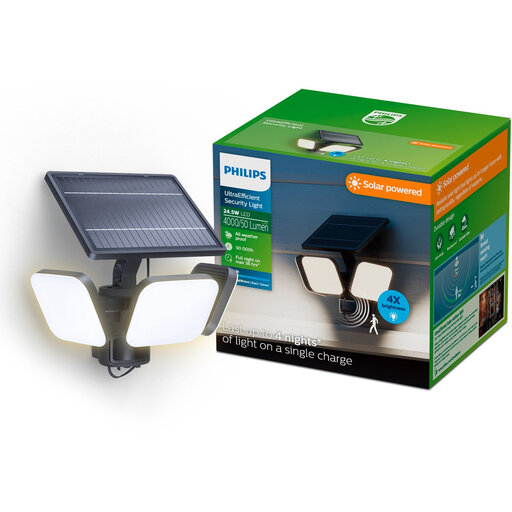
Why This Fits Their Persona: For those who seek maximum visibility and deterrence. This powerful spotlight effortlessly illuminates a large driveway, back garden, or dark corner of the property.
The IP65 rating makes it suitable for the most exposed locations. The sensor specifications are clear: a wide detection range of up to 16 metres, which avoids the 'useless' sensor pitfall.
Extremely high light output of 4000 lumens and a superior sensor range. According to Philips, the efficient solar technology provides light for multiple nights on a full battery.
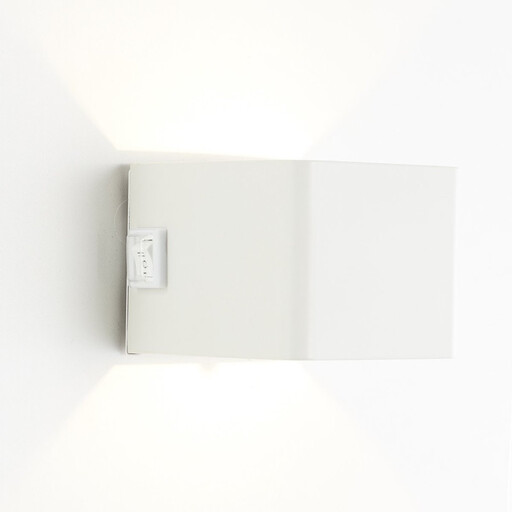
Why This Fits Their Persona: Perfect for renters or for tricky spots like a shed, balcony, or garden house where there's no power and drilling isn't desirable. The magnetic mounting offers ultimate flexibility.
This product bypasses the pitfall of weak solar panels in dark places. Because it's rechargeable via USB, you're not dependent on the sun and always have a full battery when needed.
Completely wireless and portable. The magnetic mounting makes installation and relocation extremely easy. Suitable for both indoor and outdoor use (IP44).
We have compiled a complete, up-to-date list of products that fully meet these strict selection criteria and local regulations.
Yes, but performance depends on the quality of the solar panel, battery capacity, and the amount of direct sunlight. During the winter months with fewer daylight hours, the illumination time will be shorter. Opt for a model with a large, efficient panel and a high-capacity battery, and place it in the sunniest possible location (ideally south-facing) for the best results.
On many models, you can adjust these settings with small dials on the light, often labelled 'SENS' (sensitivity) and 'TIME' (illumination time). With 'SENS', you set the distance at which the sensor reacts. With 'TIME', you determine how long the light stays on after detection, usually ranging from a few seconds to several minutes. Some lights also have a 'LUX' or dusk-to-dawn sensor setting, which lets you determine how dark it needs to be before the sensor becomes active.
The LED light source itself is very durable. Manufacturers often state a lifespan of 20,000 to 50,000 operating hours. In practice, this means the LED itself will last for many years. The lifespan of the entire unit is more often determined by other components, such as the motion sensor, the housing (weathering), or, in the case of solar lights, the rechargeable battery. A battery in a solar light typically lasts 2 to 4 years before its capacity noticeably decreases.
