
Vandaag of morgen in huis

Kwaliteit gegarandeerd

Welkomstaanbiedingen ontgrendelen: GRATIS bezorging | Tot 80% korting | Gratis 30 dagen JoyPlus-proefperiode
Download de app
Good outdoor lighting needs to suit the space where you use it. A lamp for a sheltered balcony requires different features from lighting along a driveway or on an exposed wall. Yet many shoppers focus mainly on design, light colour or a low price. This leads to predictable problems: a solar light that barely charges, a wall light that can't handle direct rain, or a string of lights with a cable that turns out to be too short.
In this buying guide, you'll discover what to look for in solar garden lighting, an LED outdoor light, mood lighting for garden and patio, and lighting with a motion sensor.
A product with IP44 is protected against splashing water, but not against immersion or powerful water jets. This makes an IP44 outdoor light suitable for, for example, a covered patio, balcony or sheltered entrance. For an exposed wall, driveway or a spot where rain falls directly onto the light, IP65 may be a more appropriate choice.
According to the product specification, IP65 means protection against dust and water jets. However, the rating doesn't automatically tell you anything about light output, lifespan or build quality.
A solar-powered garden light only works well when the panel receives enough direct sunlight during the day. Shade from a fence, tree or canopy can extend charging time and shorten the burn time. According to Huacan's product information, the Solar Garden Lights charge in approximately 4 to 6 hours of sunlight and then burn for around 5 to 8 hours. Consider this a product specification under stated conditions, not a guaranteed result for every British garden.
More LEDs don't automatically mean the lighting is more pleasant or suitable. For a pathway, soft, even light is often more practical than a very powerful spotlight. A lamp with 300 lumens may be appropriate for an entrance, while a wide driveway might need more light and a broader beam angle.
Also pay attention to the colour temperature:
Solar garden lights are handy when you don't want to run a cable. They are particularly suitable for borders, paths and decorative spots. Always check the position of the solar panel, the expected charging time and whether the battery is replaceable.
USB lights offer more flexibility in changeable weather. According to the product information, the Brilliant Viani outdoor table lamp works via both solar power and USB. This means you can place the lamp outside and charge it manually when there's little sun.
A fixed outdoor wall light with a GU10 fitting offers different possibilities. You can then choose a suitable LED bulb yourself, but installation on 230 volts must be carried out by a qualified electrician, according to the product information.
An outdoor wall light with a motion sensor is practical for a front door, garage or side passage. Check:
According to the product specifications, the Brilliant Parson has an integrated solar feature, motion sensor, dimming function, 180 lumens and IP44 protection. This makes this type of light particularly suitable for a sheltered entrance or patio, not for placement under water or in direct water jets.
Dimmable lighting is useful when you need functional light during the day and a softer atmosphere in the evening. A lamp that can stand freely is easy to move, but must be placed stably. Magnetic mounting is convenient, but check that the surface is flat, clean and sufficiently magnetic.
Solar garden lighting requires regular maintenance. Gently clean the solar panel with a soft cloth. For all outdoor lights, also check the cable, fixings and seals before leaving them outside for extended periods.
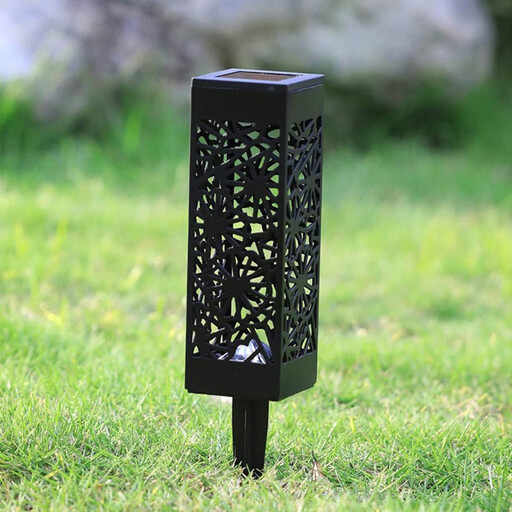
Why this fits the profile: A set of six stake lights is a simple way to light a garden path, border or flowerbed without any wiring or tools.
The IP65 rating and sealed solar top are clearly stated. However, place the lights in a sunny spot to achieve the stated charging and burn times.
Six lights per set, warm white LED, automatic on/off and installation without wiring.
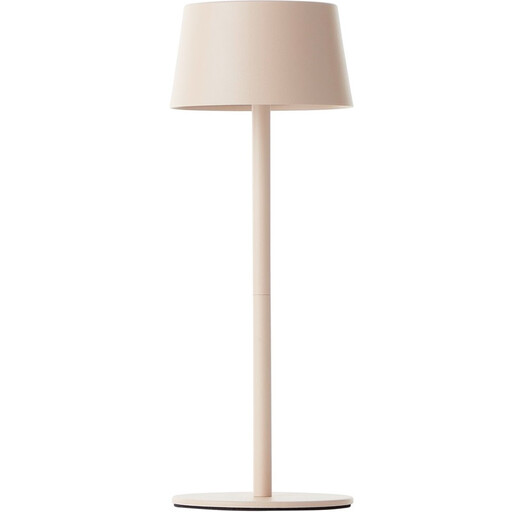
Why this fits the profile: Ideal for anyone who wants control over brightness on a patio, balcony or garden table and doesn't want to rely entirely on sunlight.
In addition to solar charging, USB charging is possible. The IP44 rating makes it clear that the lamp is splash-proof but not suitable for immersion.
170 lumens, warm white light at 3000 K, three dimming levels and two mounting options.

Why this fits the profile: This solar floodlight is designed for larger areas such as a driveway, garage, garden or patio where a wide light spread is desired.
The product information states three lighting modes, a motion sensor, IP65 and three adjustable heads. Check beforehand whether 3000 lumens isn't too bright for your situation.
302 LEDs, a wide 270-degree coverage according to the product specification, and installation without fixed wiring.
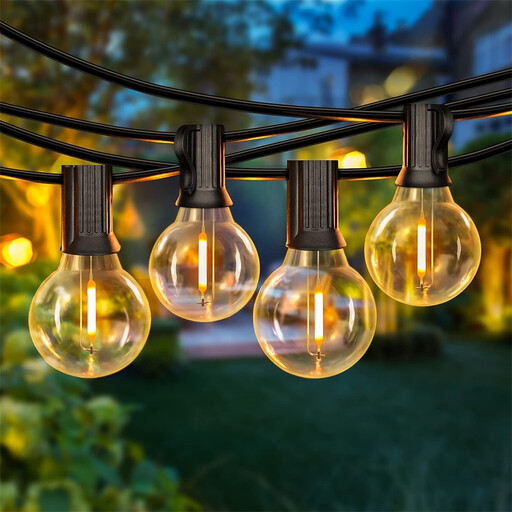
Why this fits the profile: A long LED string light for outdoors suits patios, balconies, pergolas and festive occasions where decoration matters more than powerful area lighting.
The length, dimming function, replaceable bulbs and IP44 rating are all stated. Do not hang the string in standing water and unplug it from the mains before maintenance.
30 metres in length, 50+2 warm white LEDs, multiple light modes and replaceable G40 bulbs.
We've put together a full, up-to-date list of products that fully meet these strict selection criteria and current European safety regulations.
For a sheltered spot, IP44 is often appropriate, for example under a canopy or on a balcony. For an exposed position with more exposure to rain and dust, IP65 may be more suitable. Always check the installation instructions for the specific product as well.
The burn time depends on sunlight, season, temperature, battery capacity and the chosen light level. In winter, solar lights in the UK often charge for less time. Clean the panel and place it as free from shade as possible. The manufacturer's stated burn time is a guideline under specific conditions.
An LED outdoor light typically uses little electricity compared to traditional light sources. The actual consumption depends on the wattage and the number of hours it's on. A light with a motion sensor can limit consumption because it doesn't stay on constantly. With solar lighting, the energy is stored via the panel, while USB and mains-powered lights remain dependent on charging or a plug socket.
