
Vandaag of morgen in huis

Kwaliteit gegarandeerd

Welkomstaanbiedingen ontgrendelen: GRATIS bezorging | Tot 80% korting | Gratis 30 dagen JoyPlus-proefperiode
Download de app
Finding the right outdoor lighting seems simple, until you have to choose between solar outdoor lighting, an outdoor light with a motion sensor or a fixed outdoor wall light. Many products look similar, but can differ significantly in brightness, installation and protection against rain.
Three common pitfalls are:
The IP code indicates how well a light is protected against solid particles and water. The first digit refers to dust and contact; the second refers to moisture.
An IP rating does not automatically make a light suitable for every type of weather. Also check the installation instructions and make sure that connections are properly sealed.
Brightness is measured in lumens (lm). For orientation by a front door, 180 to 400 lumens may be sufficient. A higher output can be useful for a driveway or outdoor security light.
Colour temperature is measured in Kelvin (K):
Pay attention to the difference between an integrated LED outdoor light and a fitting with a replaceable light source. With integrated LED, the light source is part of the fitting. A GU10 outdoor light or E27 outdoor light gives you more flexibility to choose a different colour temperature or brightness later.
First decide where the light needs to go and whether cabling is already available.
The following choices are based on the stated product specifications, such as lumens, IP rating, power supply, fitting and sensor function. Always check the current product page and installation requirements before buying.
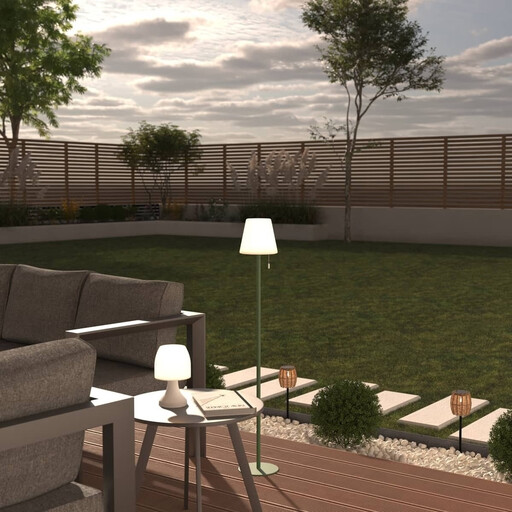
Why it suits this profile: This portable floor lamp is designed for balconies, patios or gardens and does not require a fixed connection. According to the product information, the battery lasts for up to ten hours, and you can choose between multicolour, flame effect or white light.
The lamp does not rely on a power socket, and its IP44 rating makes its intended use clear: suitable for splashing water, but not for immersion.
108 cm tall, battery-powered, three light modes and a removable light source.
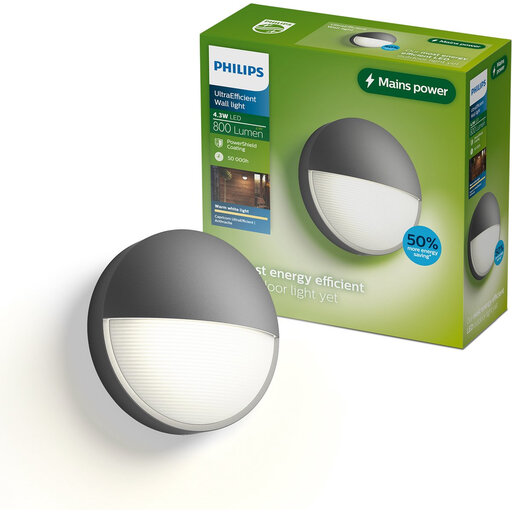
Why it suits this profile: For a fixed wall or balcony installation, this LED outdoor light offers an integrated light source with 800 lumens and warm white light at 2700 K.
The product specification states IP44 and fixed installation. This makes it clear in advance that it is not a wireless light and is not intended for direct water jets.
800 lumens, 2700 K, aluminium and plastic construction, integrated LED and a stated lifespan of up to 50,000 hours of operation.
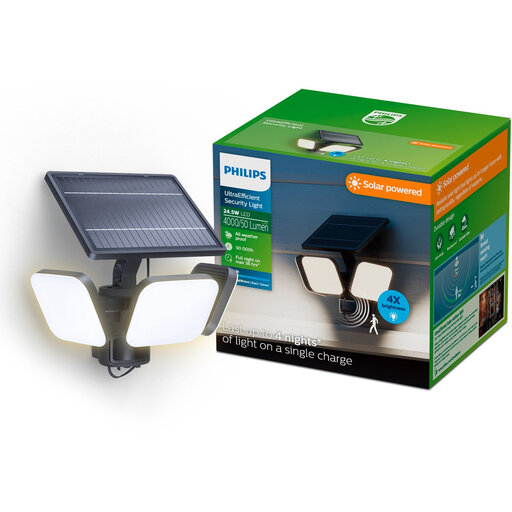
Why it suits this profile: This solar security light is designed for a driveway, garage or larger property where a wide beam and high light output are preferred.
The IP65 rating is more specific than simply describing a product as “weather-resistant”. For effective operation, the product information states that the solar panel must receive direct sunlight.
4,000 lumens, IP65, integrated LED, adjustable head and motion detection with a stated range of up to 8 metres when approached directly.
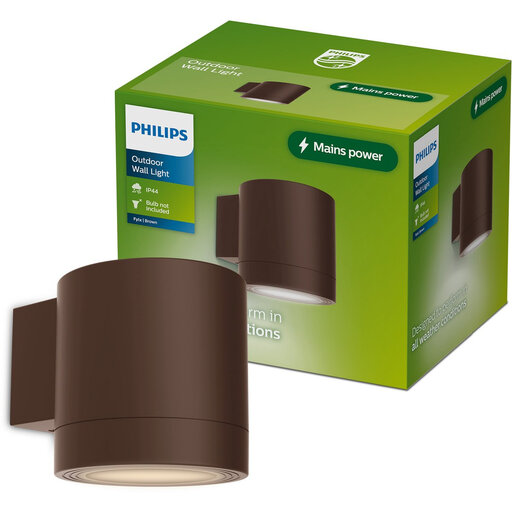
Why it suits this profile: The GU10 outdoor light is ideal if you want to choose your own LED bulb for a wall, patio or entrance.
The light source is not included. This avoids confusion about the selected colour temperature and makes the replaceable GU10 fitting clear from the outset.
Aluminium fitting, GU10 fitting, IP44 and the freedom to choose a suitable LED bulb.
Position a solar wall light so that trees, roof edges and fences cover as little of the panel as possible. Clean the panel and sensor regularly with a soft cloth. With a fixed outdoor light, you need to consider the surface: brick, wood and cladding may require different fixing materials.
A motion sensor only works well when the detection zone matches the route people take. So do not point the sensor solely towards a street or moving branches. With a magnetic wireless outdoor light, the mounting plate must be secured firmly to a suitable, flat surface.
LED is usually a practical choice for keeping energy consumption low. When comparing lights, do not look only at wattage; also consider lumens, operating time and how the light will be used. Solar outdoor lighting does not use mains electricity, but its performance depends on sunlight and battery capacity.
We have put together a complete, up-to-date list of products that fully meet these strict selection criteria and the applicable European safety regulations.
Yes, an IP44 outdoor light is suitable for many sheltered outdoor applications, such as a veranda, balcony, wall or entrance. IP44 means protection against splashing water. For a completely exposed location or direct water jets, an IP65 outdoor light is a more suitable choice.
The lifespan varies from model to model. Some product descriptions state, for example, 25,000 or 50,000 hours of operation, but the actual lifespan also depends on temperature, usage time, power supply and maintenance. With integrated LED, the entire fitting will generally need to be replaced when the light source reaches the end of its lifespan.
A solar outdoor light uses solar energy during the day to charge its battery, so it does not use electricity from the mains. However, the lighting duration depends on hours of sunlight, positioning, battery capacity and the selected lighting programme. Before buying a solar wall light, check that the panel will receive enough direct light.
