
Vandaag of morgen in huis

Kwaliteit gegarandeerd

Welkomstaanbiedingen ontgrendelen: GRATIS bezorging | Tot 80% korting | Gratis 30 dagen JoyPlus-proefperiode
Download de app
A beautifully lit garden, entrance or balcony starts not with the colour or shape of a lamp, but with the conditions in which you plan to use it. Many disappointing purchases happen because a product is presented as attractive, while important details such as its protection rating, light output or charging location receive less attention.
So keep an eye out for these common pitfalls:
The IP code consists of two digits. The first indicates protection against solid particles, while the second refers to water.
A product such as the four-light solar torch set is described in the product information as having IP65 protection. The M.TK string light has an IP44 rating, making it more suitable for splashing water than for a location exposed to prolonged direct rain or water jets.
Light output is measured in lumens (lm). The higher the lumen count, the more light a lamp can provide according to its specification. A modest light output is often sufficient for a decorative garden lamp. For an entrance, garage path or driveway, more focused light is generally more practical.
Colour temperature is measured in Kelvin (K):
For example, a Brilliant solar wall light with motion sensor is specified at 180 lumens and 2700 K. The Alvero solar outdoor light is listed with 500 lumens and 3000 K. For a large area, Philips specifies 4000 lumens and an IP65 rating for the Zyren lamp. When buying, make sure the light output suits the intended location, rather than relying solely on the marketing copy.
For outdoor solar lamps, three points are particularly important:
According to its product specification, the Aigostar SunGlow solar string light is 10 metres long, has a charging time of 4–6 hours and a stated operating time of 8–12 hours. The VIVREAL copper wire lights consist of two strings of approximately 15 metres per string, each with 75 LEDs. The product description states a charging time of 6–8 hours and an operating time of 8–14 hours, depending partly on the weather.
A battery will run down more quickly in winter or after several dark days. So position the solar panel not just somewhere attractive, but somewhere sunny. Clean the panel regularly with a soft cloth.

Why it suits this profile: This stake light is a simple choice for anyone who wants to mark out a garden path or border without installing wiring.
The product information states a charging time of 4–6 hours and an operating time of 8–12 hours. This gives you a clear idea in advance of what to expect from the solar lighting.
Stainless steel, a height of 55 cm and a stated IP44 protection rating.
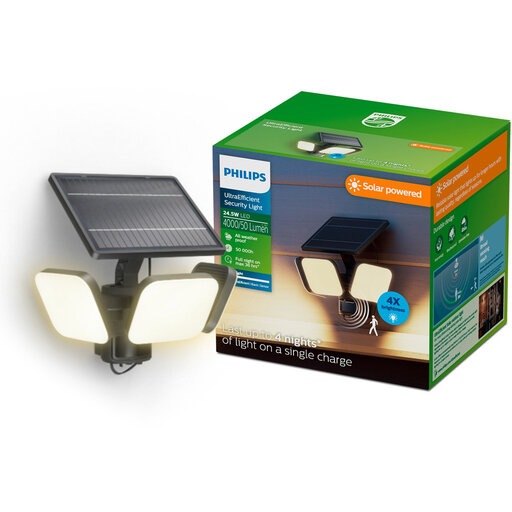
Why it suits this profile: Ideal for anyone who wants to illuminate an entrance, façade or driveway with focused light and values clear technical specifications.
The specifications state 4000 lumens, IP65 protection and a motion sensor with a stated range of 8 metres when approached directly.
3000 K warm white light, an adjustable light head and solar power without a fixed mains connection.
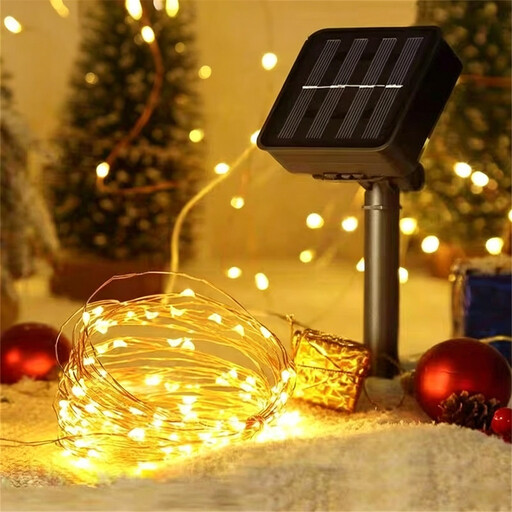
Why it suits this profile: Ideal for balconies, pergolas, trees and patios where flexible decorative lighting is desired.
The product information states eight lighting modes, a memory function and a charging panel that must be placed outdoors in direct light.
Two strings of approximately 15 metres, each with 75 warm white LEDs; suitable for decorative lighting indoors and outdoors.
We have put together a complete, up-to-date list of products that fully meet these strict selection criteria and the applicable European safety regulations.
Place the solar panel somewhere with as much direct daylight as possible. Keep the panel clear of leaves, dirt and shade. For wall lights, also check that the mounting plate is securely attached. A magnetic lamp should be mounted on a flat, clean and suitable surface.
The operating time per evening depends on sunlight, battery capacity, temperature and the age of the battery. Manufacturers often give an expected operating time based on ideal charging conditions. The lights may stay on for less time in winter. Clean the panel regularly and follow the storage instructions during longer periods when the lights are not in use.
Solar lighting does not use a connection to the electricity grid, but the purchase price and any battery replacement costs still need to be taken into account. For a mains-powered LED outdoor light, consider the wattage and number of operating hours. A motion sensor can reduce the time the light is on, while a string light with many LEDs may use more power when it stays switched on all evening. So do not look only at the number of LEDs; also consider the power consumption, operating time and intended use.
