
Vandaag of morgen in huis

Kwaliteit gegarandeerd

Welkomstaanbiedingen ontgrendelen: GRATIS bezorging | Tot 80% korting | Gratis 30 dagen JoyPlus-proefperiode
Download de app
An attractive product photo tells you little about how outdoor lighting will perform in a garden in the Netherlands. Rain, wind, limited hours of sunshine and an unsuitable mounting position can make a lamp less practical than you expected. There are a few common pitfalls you can avoid in advance, particularly with solar outdoor lighting, an outdoor light with a motion sensor or decorative patio lighting.
A figure such as 3,000 lumens sounds impressive, but it doesn’t tell you everything about how practical the lamp will be. The light distribution, colour temperature and mounting height all affect how the light looks in practice. A bright LED outdoor light may be suitable for a driveway, but uncomfortable next to a seating area.
So, look out for:
Not every lamp sold for outdoor use is suitable for prolonged exposure to rain. The IP rating makes the difference. IP44 means protection against solid objects measuring 1 millimetre or more and against water splashes. A lamp with this rating is suitable, for example, under a canopy or on a sheltered wall.
IP65 offers greater protection against dust and water jets. This makes it more suitable for a more exposed spot, although correct installation is still important. Neither rating means you can submerge the lamp.
A solar panel won’t work at its best if it’s installed under a balcony, in dense shade or behind a tall fence. In the Netherlands, cloudy days can also affect charging time. So, check:
IP44 outdoor lighting may be sufficient for a sheltered balcony. For an open garden, driveway or wall exposed directly to rain, a higher level of protection, such as IP65, is more practical. Also consider the difference between a fixed outdoor wall light and a freestanding table lamp. A fixed light needs to be securely mounted, while a portable lamp should stand steadily and be easy to charge.
Solar garden lights work without a fixed cable, but depend on sunlight and battery capacity. A lamp with USB charging offers extra flexibility. A wired wall light usually needs to be connected to a 230-volt supply and installed by a qualified electrician.
With integrated LED lighting, you usually can’t replace the light source yourself. With a GU10 fitting, you can choose a suitable LED bulb, as long as you stay within the maximum wattage.
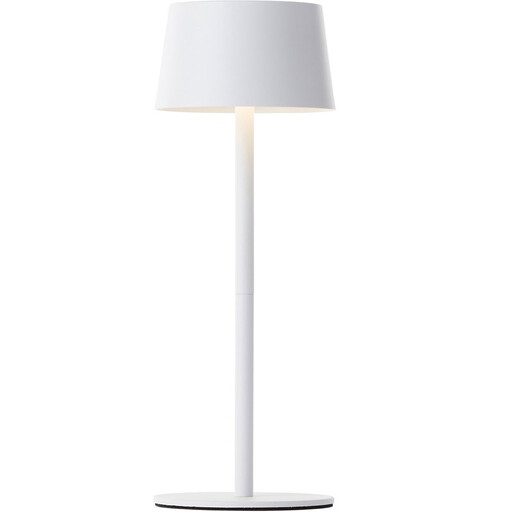
Why it suits this user: This freestanding table lamp is ideal for a balcony, patio or garden table where you don’t need a fixed power connection. You can choose between solar and USB charging.
The combination of solar and USB charging means it’s less dependent on sunny days. With an IP44 rating, it’s still best suited to sheltered spots.
170 lumens, three dimming settings, integrated LED and a battery charged by solar power or USB.

Why it suits this user: Ideal for a driveway, garage or large garden where you need wide light coverage and motion detection.
The product description lists an IP65 rating, so this lamp is less restricted to sheltered spots than IP44 models. Make sure the panel is positioned out of the shade.
According to the product specifications: 302 LEDs, 3,000 lumens, three adjustable light heads, a 180-degree detection angle and three lighting modes.
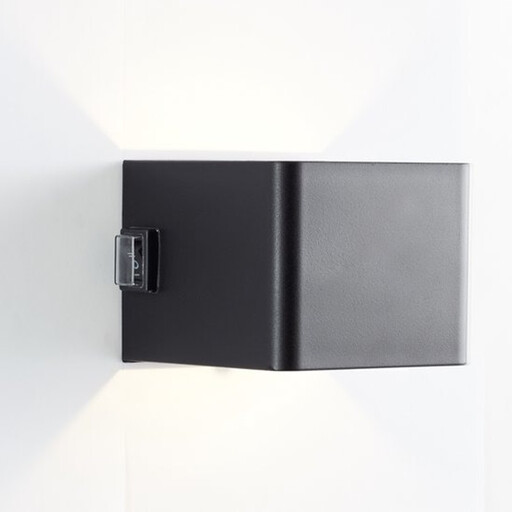
Why it suits this user: This portable outdoor light is ideal for rented homes, balconies and anywhere you don’t want to run a cable. Its magnetic fitting makes it easy to move.
There’s no need to install a fixed power connection. Bear in mind that it has an IP44 rating: don’t use the lamp somewhere exposed to direct water jets.
Integrated LED, 300 lumens according to the product specifications, motion sensor, USB-C charging and magnetic mounting.
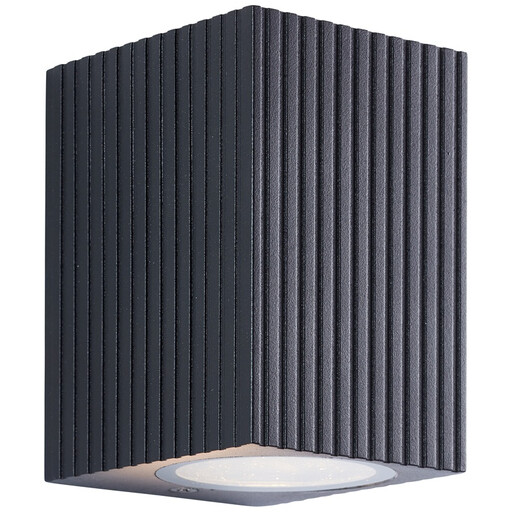
Why it suits this user: A compact outdoor wall light for a wall, fence or entrance, giving you the freedom to choose a suitable GU10 LED bulb.
The fitting means you can replace the bulb and choose the colour temperature and brightness. The IP44 rating means it needs to be installed in a sheltered spot.
Aluminium, glass and plastic construction, a GU10 fitting rated up to 10 watts and compact dimensions of approximately 10 × 7 × 8 centimetres.
We’ve put together a complete, up-to-date list of products that meet these strict selection criteria and the applicable European safety requirements.
IP44 is often suitable for a sheltered spot. For an exposed wall, garden or driveway, IP65 is a more practical choice if the lamp will be more directly exposed to rain and dust. Always check the installation instructions for the specific product.
Solar outdoor lighting doesn’t use mains electricity while charging. However, its performance depends on the amount of daylight, the battery and how you use the lamp. A model with USB charging offers an alternative on darker days.
Lifespan varies by product and conditions of use. With integrated LEDs, the light source isn’t always replaceable. So, check the stated lifespan, warranty, battery type and IP rating before you buy.
