
Vandaag of morgen in huis

Kwaliteit gegarandeerd

Welkomstaanbiedingen ontgrendelen: GRATIS bezorging | Tot 80% korting | Gratis 30 dagen JoyPlus-proefperiode
Download de app
An outdoor lamp needs to withstand the British weather, but it also has to suit where you’ll use it. A lamp for the front door needs different features from mood lighting for the garden or path lighting along a driveway. If you only focus on looks or a low price, you’ll soon run into practical problems.
Three common pitfalls to watch out for:
The IP rating tells you how well an outdoor lamp is protected against dust and moisture. For many sheltered spots, such as a covered balcony or a wall under an awning, an IP44 outdoor lamp can be suitable. Don’t place this type of lamp where it will be constantly exposed to heavy rain or a garden hose.
A higher IP rating offers more protection, but always check the product description and installation instructions. The rating also says nothing about light output, material durability or the quality of the fitting.
An LED outdoor lamp typically uses little energy and has an integrated or replaceable LED light source. Don’t just look at wattage – focus on lumens. Lumens indicate the amount of light:
The colour temperature determines the feel. Around 2700 to 3000 K gives warm white light for a relaxed atmosphere. Around 4000 K the light is more neutral and functional. A colour temperature of 6500 K looks noticeably cooler and whiter.
A fixed outdoor wall lamp with a GU10 or E27 fitting needs to be mounted on a suitable wall and connected to the mains. Have the connection carried out by a qualified electrician. Also check whether the lamp is supplied without a light source.
A portable lamp with a battery or USB connection offers more freedom for a patio, balcony or rental property. A solar-powered outdoor lamp doesn’t need wiring, but the solar panel must receive enough direct light. For path lighting, the height and stability are at least as important as the appearance.
For the entrance, a lamp with a motion sensor is practical because the light only comes on when movement is detected. Along a path, low spike lights or standing lamps work better. For a patio, dimmable lamps or string lights are suitable when you mainly want to create atmosphere.
Also consider:
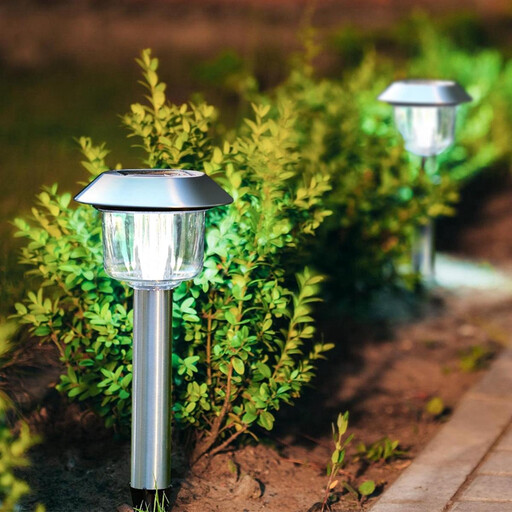
Why this fits the profile: This compact solar outdoor lamp runs on solar power and is designed for the garden or patio. No fixed connection is needed.
The product details mention solar power, a height of 36.6 cm and an IP44 rating. Placing it in direct sunlight remains essential.
Stainless steel and plastic; cordless placement; 6500 K for bright white light.
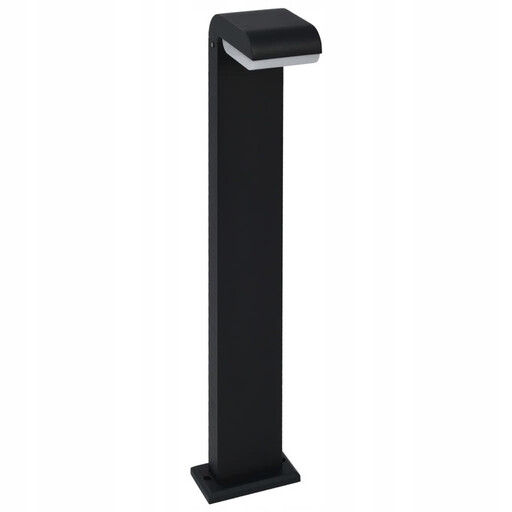
Why this fits the profile: This standing LED outdoor lamp is aimed at fixed path lighting and a modern garden layout.
The specifications list IP54, die-cast aluminium and an integrated light source. This makes it clearer what the lamp is intended for than a decorative product without technical information.
9 W power; 550 lumens; aluminium housing; standing height of 80 cm.
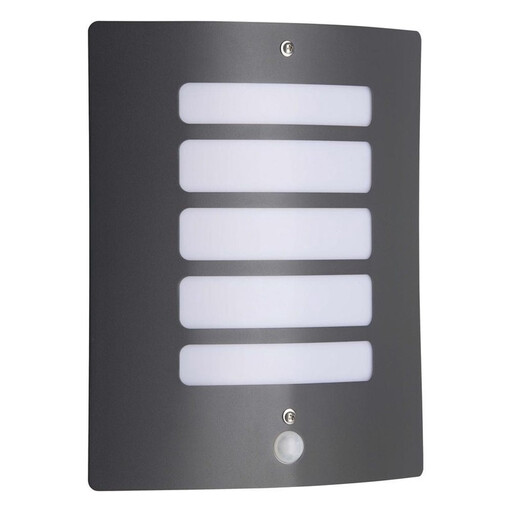
Why this fits the profile: This fixed garden lamp with motion sensor is designed for the entrance, wall or yard where automatic light is wanted.
The motion sensor and E27 fitting are listed separately. You can therefore choose a suitable LED lamp yourself, but the mains connection must be carried out professionally.
E27 fitting up to 60 W; integrated motion sensor; IP44; anthracite-coloured metal housing.
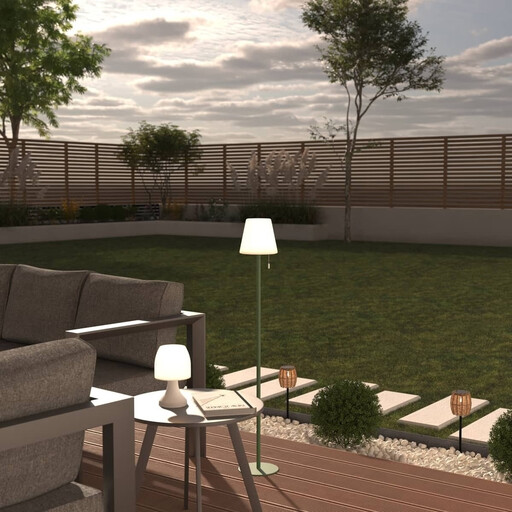
Why this fits the profile: This portable lamp suits renters or people who regularly rearrange their patio.
The lamp runs on batteries and has manual operation. This avoids installation costs, but does mean the batteries need to be maintained.
108 cm tall; IP44; three light modes: multicolour, flame effect and white light; stated run time of up to ten hours.
We’ve put together a full, up-to-date list of products that fully meet these strict selection criteria and current European safety regulations.
For decorative garden lighting, 100 to 300 lumens can be enough. For an entrance, steps or path, 300 to 600 lumens is often more suitable. The amount you need also depends on the distance, the light spread and the surroundings.
A lamp with IP44 is protected against splashing water, but not against submersion or powerful water jets. Use this rating mainly in sheltered spots and follow the manufacturer’s installation instructions. Also place cables, plugs and connections in a way that protects them from moisture.
This varies per product, battery, season and amount of sunlight. According to the product description of some models, a solar lamp can burn for several hours after a few hours of charging, but this depends on the conditions. Position the panel away from shade and clean the surface regularly.
