
Vandaag of morgen in huis

Kwaliteit gegarandeerd

Welkomstaanbiedingen ontgrendelen: GRATIS bezorging | Tot 80% korting | Gratis 30 dagen JoyPlus-proefperiode
Download de app
Good outdoor lighting should suit the location, purpose and local weather. A light for the driveway needs different features from a set of outdoor string lights for a balcony. Yet many product pages focus mainly on lumens, LED counts and marketing terms. You can end up buying a light that seems bright enough but quickly runs out of power, is installed in the wrong place or isn’t sufficiently protected against moisture.
The main pitfalls to avoid are:
The IP rating consists of two digits. The first indicates protection against solid particles, and the second indicates protection against moisture. For outdoor use, you’ll often see IP44 and IP65 outdoor lighting.
An IP rating doesn’t mean a light is suitable for use underwater. Check the installation instructions and cable connections too.
Lumens indicate the total amount of light. For atmospheric garden lighting, a few dozen lumens per light are often enough. A driveway or security light needs more. Also consider the light distribution: a wide beam illuminates a larger area, while garden path lights can cast a more focused beam close to the ground.
Colour temperature is measured in kelvin:
For solar outdoor lighting, battery capacity and charging conditions determine how well it works day to day. A light may switch on and off automatically, but it’ll only work well if its solar panel receives enough daylight. So don’t place the panel beneath a roof edge, dense foliage or in permanent shade.
An outdoor light with a motion sensor can save energy by switching on only when needed. Check its range and detection angle. A sensor with a wide range is particularly useful for a driveway, garage or large garden.
For a wired wall light, check the fitting, maximum wattage and installation requirements. Have a 230-volt connection installed in line with current regulations, using a qualified installer if necessary.
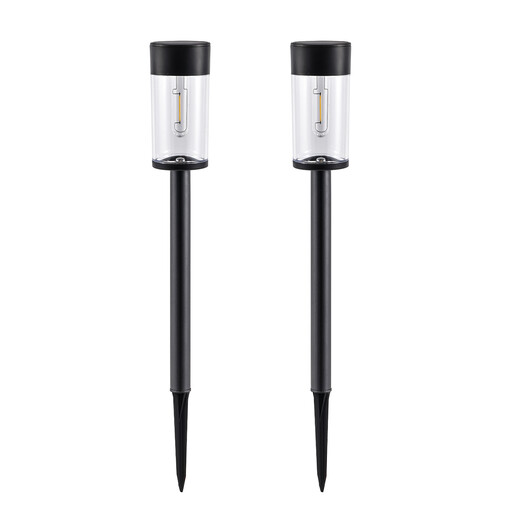
Why it suits this buyer: This set is an easy way to get started with solar garden lighting along a path, lawn edge or driveway. The lights are installed using ground stakes and, according to the product information, switch on automatically when daylight levels are low.
At 10 lumens per light, it won’t unnecessarily flood a narrow garden path with bright light. The IP65 rating is more informative than a general claim such as “weather-resistant”.
Two lights, warm 3000K white light, automatic operation and a stated run time of 8–12 hours after 6–8 hours of sunlight.

Why it suits this buyer: A good choice if you want one powerful light by a garage, wide driveway, patio or back door. The three adjustable heads let you illuminate several directions.
The specifications list the light output, detection angle, detection range and IP rating separately. This makes it easier to decide whether the light is right for your outdoor space.
302 LEDs, a stated light output of 3000 lumens, 270° coverage, 180° motion detection and IP65 protection.
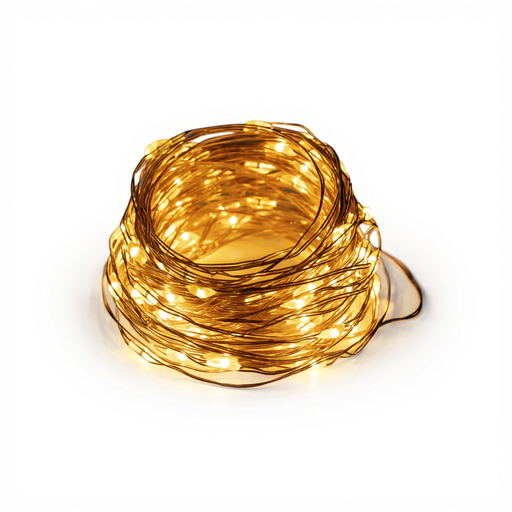
Why it suits this buyer: Ideal for anyone who wants to decorate a patio, balcony, pergola or garden party without needing a socket beside the outdoor string lights.
The length, IP65 rating and battery details are listed separately. Do check that the solar panel receives enough direct sunlight each day.
10 metres long, 160 LEDs, eight lighting modes, a 1200mAh battery and a stated maximum run time of 12 hours.
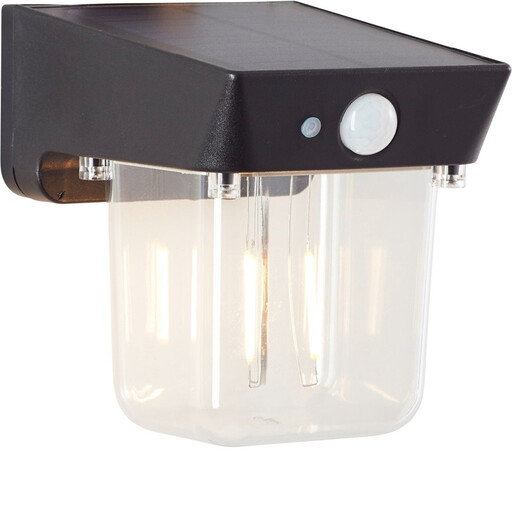
Why it suits this buyer: This compact outdoor wall light is a good fit for an entrance, shed or sheltered patio wall where you want warm, focused light.
The IP44 rating isn’t presented as meaning the light is completely waterproof. Install it in a sheltered spot, away from direct water jets.
180 lumens, warm 2700K white light, integrated solar power, motion sensor and dimming function, according to the product description.
We’ve put together a complete, up-to-date list of products that meet these strict selection criteria and current European safety regulations.
Low solar path lights with a moderate light output are a good choice for a garden path. Consider the spacing, height and IP rating. A light with 10 lumens can provide enough light to help you find your way, while a powerful spotlight is more likely to cause uncomfortable glare.
How long a light stays on each evening depends on sunlight, battery capacity, temperature and the selected lighting mode. Manufacturers often state a maximum run time under specific conditions. Treat this as a guide, not a guarantee for every night. Clean the solar panel regularly and replace the light or battery if its performance noticeably drops.
LED outdoor lights generally use little electricity. Solar lights don’t use mains electricity while they’re running, but you should still factor in the purchase price, battery and any replacement costs. A wired light may be affordable to buy and suitable for long-term use, but installation costs can increase the total. So compare more than just the price: consider run time, protection, installation and maintenance too.
