
Vandaag of morgen in huis

Kwaliteit gegarandeerd

Welkomstaanbiedingen ontgrendelen: GRATIS bezorging | Tot 80% korting | Gratis 30 dagen JoyPlus-proefperiode
Download de app
Good outdoor lighting needs to do more than look attractive. The light needs to suit its location, the British weather and the way you use your garden. A light for a sheltered balcony needs different features from path lighting along an exposed driveway or a camping lantern for when you’re on the move.
Many buyers focus mainly on appearance and price. This can lead to three common problems:
Choosing the right specifications can help you avoid these mistakes. Here are the features to check when choosing solar garden lights, an outdoor wall light or patio lighting.
A metal lantern, black wall light or LED outdoor light may look appealing, but the material alone doesn’t tell you how suitable it is for outdoor use. Check the following:
A lamp with an IP44 rating is classified as protected against splashing water, so it’s best suited to a covered patio, balcony or sheltered wall. IP65 offers greater protection against dust and water jets, but it doesn’t mean you can submerge the lamp.
Solar-powered garden lights are easy to position because they don’t need a cable running to a socket. However, a solar panel only works well when it receives enough direct sunlight during the day. Shade from a fence, tree or wall reduces the time available for charging.
When choosing solar outdoor lights, check:
For example, the UME solar path lights have a stated charging time of 6 to 8 hours in sunlight and a lighting time of 8 to 12 hours. These are the product’s stated specifications; actual run time may vary depending on cloud cover, positioning, season and temperature. A soft light of 10 lumens per lamp is suitable for creating atmosphere and marking a path, but it isn’t designed to brightly illuminate an entire driveway.
Clean the panel and lampshade regularly with a soft, damp cloth. This helps prevent dirt from unnecessarily reducing the light output and charging efficiency.
For garden mood lighting, warm, diffused light is often more pleasant than a strong beam. Several small lights along a path can help mark the route. For an entrance, shed or dark passageway, garden lighting with a motion sensor is more practical.
Consider the difference between:
A fixed mains-powered wall light must be installed by a qualified electrician, according to the product information. A portable lamp with a USB-rechargeable battery avoids fixed wiring, but still needs regular charging.
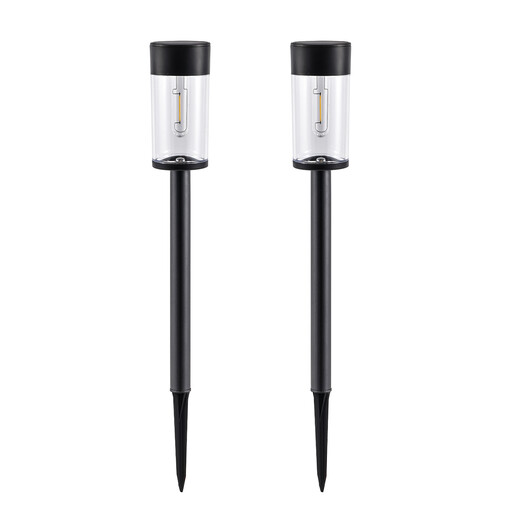
Why it suits this profile: This set is designed for anyone who wants to mark out a garden path, lawn edge or driveway without installing cables. The ground stakes make it easy to position.
The product information lists an integrated light sensor, automatic switching on and off, and an IP65 rating. The lights still need to be positioned in direct sunlight.
Two lights per pack, warm white 3000K light, 10 lumens per light and a stated run time of 8–12 hours after sufficient charging.
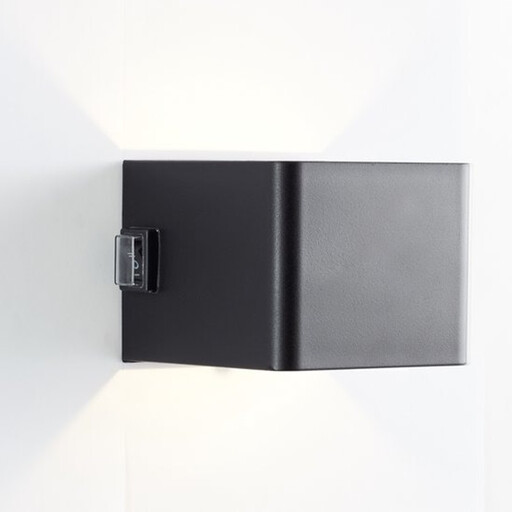
Why it suits this profile: A good choice if you want focused lighting by a balcony, patio or entrance without fixed wiring.
The IP44 rating makes it clear that this light is splash-resistant, not designed to withstand direct water jets. This helps you choose a sheltered place to install it.
According to the product details, the integrated LED produces 300 lumens at 3000K. The light also has a motion sensor, magnetic mounting and USB-C charging.
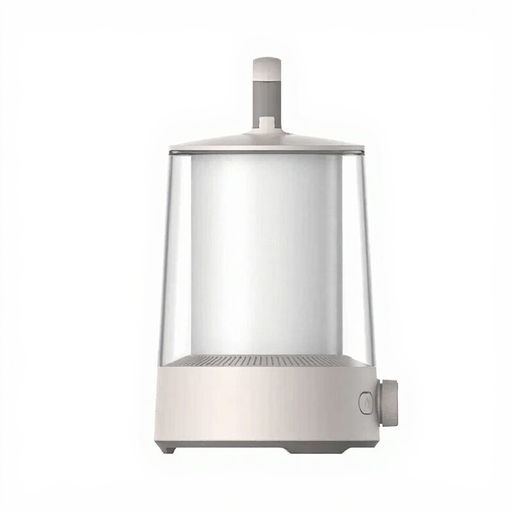
Why it suits this profile: This camping lantern is a good fit for campers and anyone looking for a portable light to use in a tent, caravan, garden or during an emergency.
The light doesn’t rely on sunlight. Its IP54 rating indicates protection against dust and splashing water, but not full waterproofing.
According to the product description, the main light offers 6–230 lumens, with a detachable second light, USB-C charging and control via the Xiaomi Home app.
We’ve put together a complete, up-to-date list of products that meet these strict selection criteria and the applicable European safety regulations.
How long they stay on each evening depends on sunlight, battery capacity, temperature, positioning and dirt on the solar panel. Manufacturers often give an estimated run time after a full charge. Treat this as a guide and position the light somewhere that gets as much direct daylight as possible.
For a sheltered wall, veranda or balcony, IP44 may be suitable if the light won’t be exposed to direct water jets. For a more exposed spot, products with a higher IP rating, such as IP65, are usually more practical. Always check the full product information and installation instructions.
An LED outdoor light usually uses little energy compared with traditional light sources. Actual consumption depends on the wattage, how many hours it’s on and how it’s controlled. A motion sensor can reduce the time the light stays on. Solar outdoor lights don’t draw power from a household socket while lit, but they do rely on their rechargeable battery and sufficient sunlight.
