
Vandaag of morgen in huis

Kwaliteit gegarandeerd

Welkomstaanbiedingen ontgrendelen: GRATIS bezorging | Tot 80% korting | Gratis 30 dagen JoyPlus-proefperiode
Download de app
Buying an outdoor lamp seems straightforward, until you have to choose between an outdoor wall light, solar outdoor lighting, an LED outdoor lamp or decorative garden lighting. A product may look attractive but still be unsuitable for the place where you want to install it.
So do not look only at the design or a high lumen rating. The most common disappointing purchases are caused by three things:
The IP code indicates how well a light fitting is protected against solid particles and water. Examples include:
IP44 therefore does not mean that a lamp is completely waterproof. Do not install an IP44 outdoor lamp beneath a location where water constantly runs down, and never submerge the fitting.
Lumens indicate the amount of light produced. A higher figure does not automatically mean that the lamp will feel more comfortable. For ambient garden lighting or patio lighting, a lower light output may be sufficient. For a driveway, entrance or security lighting, a higher light output is generally more practical.
Colour temperature is shown in kelvin:
A fixed wall light operating at 220-240V will generally need to be connected by a qualified electrician. This applies, for example, to models with a GU10 or E27 fitting. A solar outdoor lamp does not need to be connected to the mains, but it does require a position with sufficient daylight.
Also consider:
With an integrated LED module, you generally cannot simply replace the bulb. With a fitting using GU10 or E27, you can adjust the light source yourself later, but the lamp and fitting must be compatible.
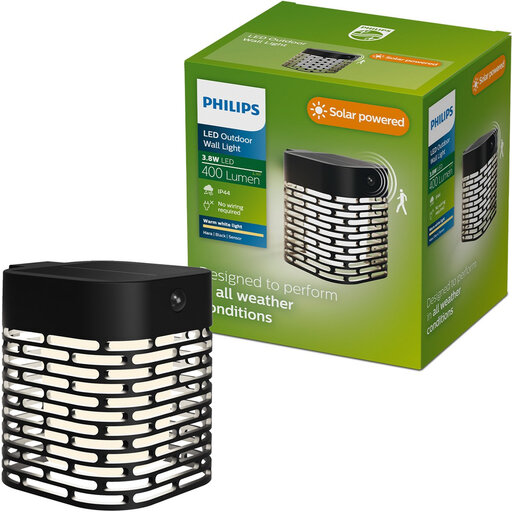
Why it suits this profile: This solar wall light works without fixed wiring and has two light settings, a dusk sensor and a stated light output of 400 lumens per light point. This makes installation straightforward on a balcony, patio or sheltered entrance.
The specifications clearly state the power source, two modes and IP44 rating. However, position the panel where it receives direct sunlight; without sufficient light, the operating time may vary.
Solar power without a mains cable, warm white 2700K light and two light settings. The stated statutory warranty is at least two years.
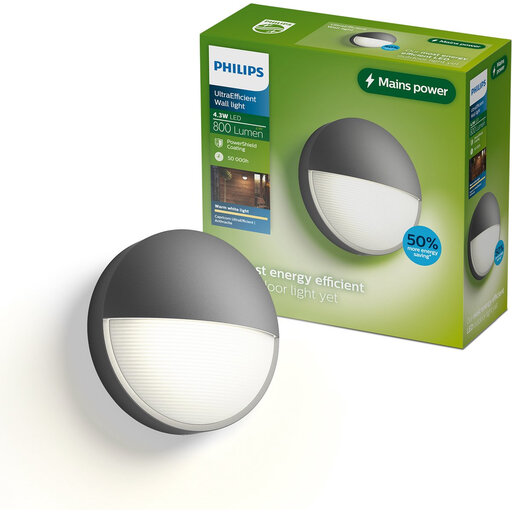
Why it suits this profile: For a fixed outdoor wall light, aluminium, integrated LED and clear installation requirements are important criteria. According to the product information, this model has 800 lumens, 2700K, IP44 and a power consumption of 4.3W.
The fixed light source prevents you from accidentally buying an unsuitable bulb. Bear in mind that installation on the mains must be carried out by a qualified electrician.
Aluminium and plastic construction, 800 lumens, warm white 2700K light and a compact size of approximately 21.3 cm high.

Why it suits this profile: If you want to light a driveway, garage, large garden or rear path, three adjustable light heads, a wide spread and a motion sensor can be useful. The product information states that it has 302 LEDs, 3000 lumens and a detection angle of 180 degrees.
The IP65 classification is higher than IP44 and, according to the product description, is suitable for rain, dust and more exposed locations. Position the solar panel in direct sunlight for charging.
Three lighting modes, three adjustable heads, solar power and a stated detection distance of approximately 18 metres.
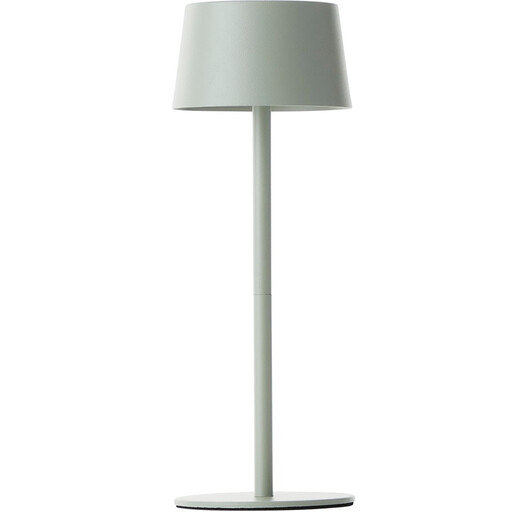
Why it suits this profile: This freestanding LED outdoor table lamp is designed for a balcony, patio or garden table. The lamp produces 170 lumens, has three dimming settings and can be charged via solar power or USB.
The dual charging option reduces reliance on sunlight. However, IP44 means splash protection; do not place the lamp in a puddle or beneath a direct water jet.
3000K warm white light, three brightness settings, solar and USB charging, and freestanding installation without wiring.
We have put together a complete, up-to-date list of products that fully meet these strict selection criteria and the applicable European safety regulations.
For a balcony, a compact solar outdoor lamp, an IP44 outdoor wall light or a freestanding LED outdoor table lamp are practical choices. Check that the lamp is sheltered and that the solar panel receives sufficient direct daylight. For ambient lighting, around 170 to 400 lumens is often suitable; a darker entrance may require more light.
Consumption depends on the wattage and the number of hours the lamp is switched on. An integrated 4W LED lamp uses approximately 4 kWh over 1,000 hours of operation. Solar outdoor lighting does not use electricity from the mains while it is lit, but its operation depends on the battery and the amount of sunlight. For fixed lighting, always check the stated power consumption and choose an appropriate switch-on time.
Lifespan varies depending on the light source, battery, materials and exposure to the weather. Some product listings state an LED lifespan, but this is a product specification or brand claim rather than a guarantee for every use case. Keep solar panels and sensor windows clean, check the fixings and follow the manufacturer’s safety and maintenance instructions.
