
Vandaag of morgen in huis

Kwaliteit gegarandeerd

Welkomstaanbiedingen ontgrendelen: GRATIS bezorging | Tot 80% korting | Gratis 30 dagen JoyPlus-proefperiode
Download de app
Good outdoor lighting does more than just dispel the darkness. It ensures safety at your front door, creates ambiance on the patio, and accentuates the most beautiful spots in your garden. But the search for the right lights can be frustrating. Many products overpromise and underdeliver, causing you to waste money on lighting that fails after a single harsh winter.
As a Joybuy Product Recommendation Officer, I see where things go wrong every day. Let's walk through the most common pitfalls so you can make an informed choice.
Solar garden lighting sounds ideal—no cables, no electricity costs. In practice, many cheap solar lights barely emit any light during the dark winter months because their battery capacity and solar panels are subpar.outdoor light with a sensor for security, but its bright, cold light feels like a construction floodlight. Or your atmospheric outdoor wall light provides so little light that you still can't see the garden path.To avoid these mistakes, it's important to look beyond the marketing buzzwords. Pay attention to the following three specifications that determine whether a light is suitable for your purpose and climate.
The IP (Ingress Protection) rating uses two digits to indicate how well a light is protected against dust and moisture. This is not a marketing term, but an objective standard.
outdoor wall light that hangs under an overhang or against a fa?ade. It is not suitable for locations fully exposed to rain.in-ground spots in the lawn or garden spike lights illuminating a tree.Forget 'wattage' as a measure of brightness. For an LED outdoor light, you look at lumens and kelvin.
garden lighting and functional areas.outdoor security light where maximum visibility is required.The choice of power source depends on the location and purpose of the lighting.
garden spike lights or marking a walkway. Pay attention to the battery and solar panel capacity; for functional light in winter, this is often insufficient.Based on these criteria, we have selected a number of products that fit specific needs and situations.
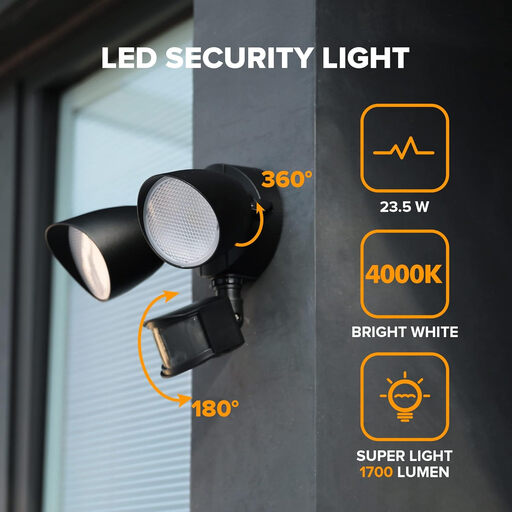
Why This Fits Their Persona: This person wants to reliably illuminate a driveway, back entrance, or garden path as soon as motion is detected. Functionality and deterrence are top priorities.
This light bypasses the 'too dim' pitfall. With 1250 lumens and a cool light colour of 5000K, it ensures clear visibility, which is exactly what a security light should do. The PIR sensor prevents unnecessary power consumption.
Powerful, directional lighting with adjustable heads. The aluminium housing and IP54 rating make it durable for wall mounting.
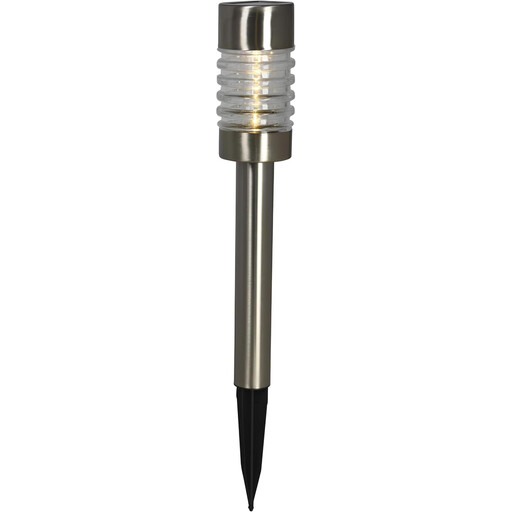
Why This Fits Their Persona: Someone who wants to instantly add ambiance along a garden path, in a border, or in flower pots without the hassle of cables or installation.
This set avoids the 'solar disappointment' by being honest about its purpose: ambiance. It's not a functional powerhouse, but with its warm white light, it delivers exactly the decorative glow that solar garden lighting is intended for.
No installation required: just stick the spikes in the ground and they work. The stainless steel finish provides a polished look.
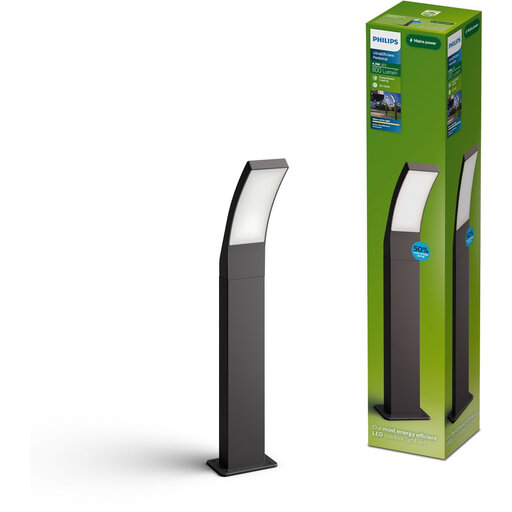
Why This Fits Their Persona: This homeowner is looking for a stylish, permanent solution for illuminating a path or driveway. Quality and lifespan are more important than the lowest price.
This product tackles the 'poor materials' pitfall. The housing is made of high-quality aluminium with a PowerShield coating, which Philips claims protects against corrosion. This is a tangible feature that benefits its durability in harsh climates.
Long lifespan (50,000 hours according to the manufacturer) and an atmospheric, warm white light colour (2700K). A reliable choice for the long term.
We have compiled a complete, up-to-date list of products that fully meet these strict selection criteria and safety regulations.
That depends entirely on the purpose. For subtle ambient outdoor lighting along a border, 100 to 300 lumens per light is often enough. To safely walk a garden path, you can aim for 400 to 600 lumens. For an outdoor security light that needs to illuminate a large area, 1000 lumens or more is a good starting point.
The IP rating indicates how well a light is protected against solid particles (first digit) and moisture (second digit). For outdoor use, the second digit is especially important. IP44 is 'splash-proof' and is sufficient for lights under an overhang. For lights directly exposed to rain, such as in-ground spots or garden spike lights, a rating of IP65 or higher is recommended for a longer lifespan.
Yes and no. For decorative purposes, like adding a few light accents, solar garden lighting can work well, even in winter. However, the runtime will be shorter due to the limited hours of sunlight. For functional lighting, such as illuminating a front door or driveway, solar is usually insufficient in the darkest months of the year, and an LED outdoor light on mains power is a more reliable choice.
