
Vandaag of morgen in huis

Kwaliteit gegarandeerd

Welkomstaanbiedingen ontgrendelen: GRATIS bezorging | Tot 80% korting | Gratis 30 dagen JoyPlus-proefperiode
Download de app
Good outdoor lighting does more than just dispel the darkness. It creates ambiance on your patio, enhances security around your home, and accentuates the beautiful features of your garden or facade. But the search for the right lamp can feel like navigating a maze. Many products promise the world, but literally leave you in the dark after just a few months.
As a Joybuy Product Recommendation Officer, I see where things go wrong every day. Before you invest, it's wise to be aware of a few common pitfalls:
By paying attention to a few key specifications, you can easily avoid these problems and make a purchase you'll enjoy for years to come.
Two technical details make the difference between a durable purchase and wasted money: the IP rating and the material used.
IP Rating (Ingress Protection): This number indicates how well a lamp is protected against dust and water. For outdoor lighting, this is crucial.
Material: The material determines the lifespan and maintenance.
The technology inside the lamp is just as important as its housing.
Based on these criteria, we have selected a number of products that suit different needs and situations.

Why This Fits Their Persona: This lamp combines the convenience of solar lighting with serious functionality. The built-in motion sensor activates a bright 1000-lumen beam, ideal for illuminating a driveway, back door, or dark path. No hassle with cables, no extra electricity costs, just a sense of security.
Avoids the pitfall of weak solar lamps by delivering a high light output when it's needed. The IP44 rating and robust plastic housing are designed for the local climate.
Fully autonomous thanks to solar power and sensors. Simple installation without an electrician. High light output for effective security.
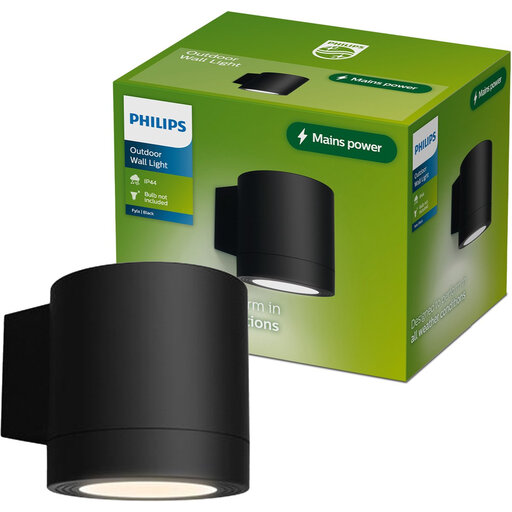
Why This Fits Their Persona: For those who prioritise style and ambiance. This sleek, minimalist fixture is a perfect match for a modern facade. Its major advantage is the GU10 fitting, which lets you choose your own light source. Will you go for warm white, functional cool white, or a smart bulb for every colour of the rainbow? The choice is yours.
You're not stuck with a built-in LED with a colour temperature you don't like. This prevents the disappointment of lighting that is too cool or too yellow. Made from high-quality aluminium, so no rust after one season.
Complete control over the ambiance thanks to the separate fitting. Durable and weather-resistant design (IP44) from a renowned brand like Philips outdoor lighting.
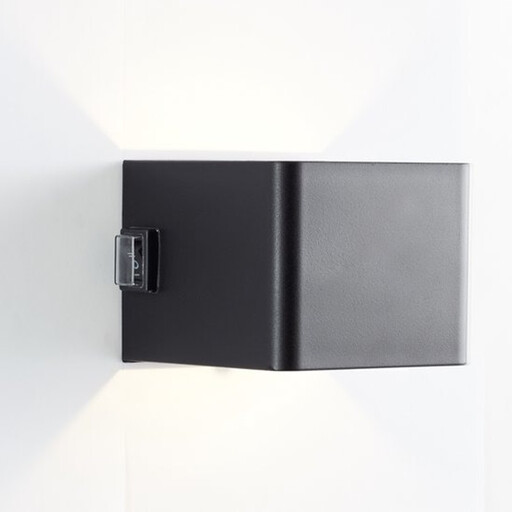
Why This Fits Their Persona: The solution for anyone who can't or doesn't want to drill. This lamp runs on a rechargeable battery and attaches with a magnet. Ideal for a rental home, balcony, fence, or shed. The built-in motion sensor also makes it functional for places where you briefly need light.
This product is the definition of 'no installation nightmare.' You don't need any tools or technical knowledge. Charge via USB-C, hang it up, and you're done. The IP44 rating ensures it's suitable for sheltered outdoor use.
Maximum flexibility: wireless, rechargeable, and magnetic mounting. The built-in motion sensor provides functional light and a long battery life.
This is just a selection. We have compiled a complete and up-to-date overview of products that meet these objective selection criteria and local regulations.
The IP rating consists of two digits. The first digit (0-6) indicates protection against solid objects and dust. The second digit (0-8) indicates protection against moisture and water. For outdoor use, IP44 (splash-proof) is the minimum. This is fine for a lamp under an overhang. For a lamp directly exposed to rain, IP65 (protected against water jets) or higher is a safer choice.
Yes, significantly. An LED outdoor lamp uses up to 85% less energy than a traditional incandescent or halogen lamp with a comparable light output. A 5-watt LED lamp can provide as much light as a 40-watt incandescent bulb. You'll see this directly on your energy bill, especially if the lighting is on for many hours each night.
That depends on the power source. Solar lighting and battery-powered lamps can almost always be installed by yourself; no electrical grid is involved. For an outdoor lamp that runs on 230V mains power, more caution is required. If you are replacing an existing lamp, it is often a matter of turning off the power and swapping the wires. When installing a completely new light point, it is recommended to hire a qualified electrician. Safety comes first.
