
Vandaag of morgen in huis

Kwaliteit gegarandeerd

Welkomstaanbiedingen ontgrendelen: GRATIS bezorging | Tot 80% korting | Gratis 30 dagen JoyPlus-proefperiode
Download de app
Good outdoor lighting does more than illuminate a garden or exterior wall. The right light helps you find the front door, makes a patio usable in the evening and can make movement around a driveway visible. Even so, it is easy to buy a light that disappoints in practice.
Many problems stem from three recurring pitfalls:
Light output is measured in lumens (lm). A broad, practical guide is:
Pay attention to the colour temperature, too. Around 2700 to 3000 K usually produces warm white light for a patio or entrance. Around 5000 to 7000 K, the light appears whiter and more direct, which can be suitable for monitoring or illuminating a large area. Also check whether the beam angle can be adjusted. An adjustable head or multiple light heads can help reduce glare.
The IP classification indicates how well a product is protected against solid particles and moisture.
An IP rating does not automatically make a light suitable for every situation. Also check the installation instructions, the position of the solar panel and whether a fixed connection needs to be installed by a qualified electrician.
An outdoor solar wall light works without a mains connection, but depends on sunlight and an internal battery. A USB-rechargeable light is more flexible when there is little sunlight, but needs to be recharged regularly. A fixed LED outdoor light provides consistent operation, but requires wiring.
With an outdoor light with motion sensor, the detection range and detection angle are important. A sensor that covers a wide area is useful for a driveway. On a narrow garden path, an overly wide detection angle may cause the light to switch on unnecessarily often. Secure the light firmly and position the sensor so that passers-by on the street are not detected unintentionally.

Why it suits this profile: This outdoor solar wall light can be installed wirelessly and has two lighting modes. That makes it an accessible choice for an entrance, balcony or sheltered patio wall.
The IP44 rating is clearly stated. The light should therefore be installed in a sheltered position, away from direct water jets.
400 lumens per light point, motion sensor, daylight sensor and no wiring required according to the product information.

Why it suits this profile: Ideal for anyone who wants to illuminate a large area around a garage, driveway or garden without a fixed power connection.
The specifications state IP65, an adjustable light head and a detection range with different distances. This makes it easier to assess whether it is suitable before installation.
4000 lumens, 5000 K, IP65 and solar power according to the product information.

Why it suits this profile: Designed to provide wide-area lighting for a large garden, garage, pool area or driveway, with three adjustable light heads.
The stated 270° coverage, 180° sensor angle and IP65 rating provide more guidance than a simple claim about brightness.
302 LEDs, a stated 3000 lumens, three lighting modes and an 1800mAh battery according to the product description.
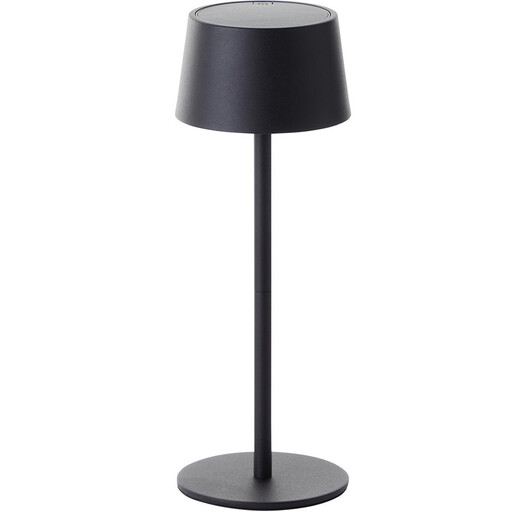
Why it suits this profile: A portable outdoor light for a patio, balcony or campsite, with no wall installation required.
The light does not depend on a fixed connection and can be charged via USB as well as solar power. IP44 does mean protection against splashing water, not immersion.
170 lumens, three dimming modes, 3000 K and charging via solar power or USB according to the product information.
We have put together a complete, up-to-date list of products that fully meet these strict selection criteria and the applicable European safety regulations.
Position a solar outdoor light so that the panel receives several hours of daylight. Clean the panel and sensor occasionally with a soft, slightly damp cloth. For a wall light, check that the surface can support its weight and use suitable wall plugs for brick, concrete or wood.
For a fixed 230-volt LED outdoor light, installation by a qualified electrician is advisable and may sometimes be required according to the product instructions. Switch off the power before working on any wiring. An integrated LED light source cannot always be replaced, so check this before you buy.
LED lighting generally uses little electricity compared with traditional light sources. Solar outdoor lighting does not use mains electricity, but its operating time depends on the amount of sunlight, the battery and the selected lighting mode. With a fixed light, you can compare energy use based on the wattage and the number of hours it is switched on.
Yes, IP44 outdoor lighting is suitable for many sheltered outdoor locations, such as a balcony, covered patio or exterior wall beneath a canopy. The classification protects against splashing water. For a location continuously exposed to rain, dirt or water jets, IP65 outdoor lighting is a more suitable specification.
Lifespan varies depending on the battery, LED module, materials and conditions of use. Cold weather, limited sunlight and a dirty solar panel can reduce the daily operating time. So do not look only at the LED’s stated lifespan; also check the battery type, warranty and whether replacement parts are available.
