
Vandaag of morgen in huis

Kwaliteit gegarandeerd

Welkomstaanbiedingen ontgrendelen: GRATIS bezorging | Tot 80% korting | Gratis 30 dagen JoyPlus-proefperiode
Download de app
Good outdoor lighting should suit the location, purpose and conditions. A light for a sheltered balcony wall has different requirements from an outdoor light with a motion sensor by the driveway. Yet many shoppers focus mainly on how it looks or how many LEDs it has. As a result, important differences only become clear after the light has been installed.
A high lumen count sounds appealing, but lots of light isn’t always practical. For path lighting, 10 lumens per light may be enough to mark the edge of a path. By contrast, a wider spread of light and a motion sensor are more useful for a driveway or garage.
So pay attention to:
An IP44 outdoor light is protected against solid objects larger than 1 millimetre and water splashes. This rating makes it suitable for many sheltered exterior walls, balconies and patios, but not automatically for places exposed to direct water jets or prolonged rain.
An IP65 outdoor light offers protection against dust and water jets under the IP rating system. It’s a sensible choice for a more exposed driveway, garden wall or large outdoor area. Also check that the installation location and connections are properly sealed.
How long solar outdoor lighting lasts depends on sunlight, the angle of the panel, shade and the season. A light that stays on all evening in summer may not last as long in winter. So don’t place the solar panel under an overhang, tree or balcony.
Also consider the difference between:
Choose a protection rating suited to the light’s exposure to rain and water splashes. IP44 is practical for sheltered locations. IP65 offers greater protection against dust and water jets. The IP code is no substitute for correct installation: mounting, cable entry and sealing are still important.
A solar-powered light is generally easy to install and doesn’t need a fixed electricity connection. However, check that the battery, charging method and recommended amount of sunlight are clearly stated. A mains-powered light, such as a Philips outdoor lighting model with a 230V connection, must be connected safely. Have fixed electrical installations carried out in accordance with the applicable regulations.
For a light with a replaceable fitting, such as GU10 or E27, check whether the light source is included. Some Philips outdoor lights are supplied without an LED bulb, so you can choose the colour temperature and brightness yourself.
An LED outdoor light uses an integrated or replaceable LED light source. As well as wattage, look at the lumens and colour temperature. An outdoor light with a motion sensor is suitable for a doorway, shed or driveway. Check the detection angle and range.
A dimmable outdoor light may be more pleasant for a patio or outdoor table. According to the product information, the Brilliant Viani has three dimming settings and can be charged using solar power or USB. This gives you flexibility, but IP44 still means protection against water splashes, not immersion.
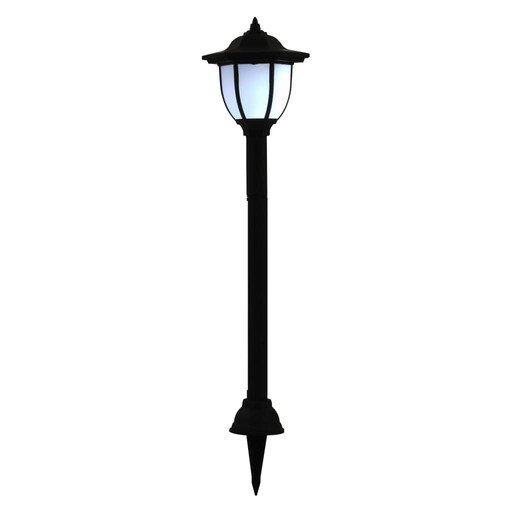
Why it suits this type of user: This set includes three solar garden lights for a garden, patio, path or driveway. They switch on automatically at dusk and come with mounting materials to make installation straightforward.
The product specifications list an integrated rechargeable AA battery and IP44 rating. So expect decorative lighting, and don’t place the lights somewhere completely exposed.
Set of three; solar-powered; three LEDs per light; automatic activation; IP44.
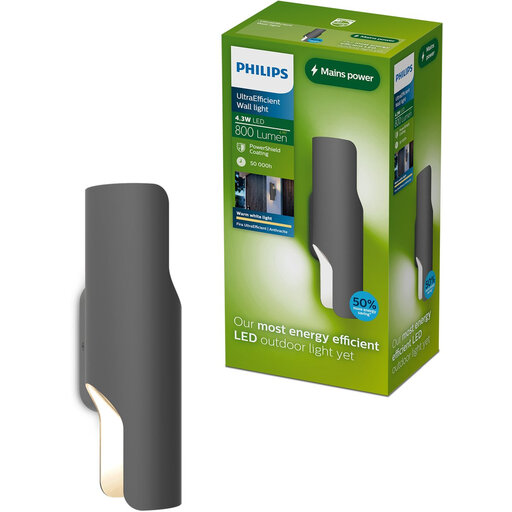
Why it suits this type of user: This mains-powered outdoor wall light is suitable for an exterior wall, balcony or garden wall if you’re looking for even lighting with a warm white glow.
The specifications state 230V, 800 lumens, 2700K and IP44. This means you know in advance that it needs a fixed connection and a sheltered installation location.
Integrated LED; 800 lumens; 2700K warm white; aluminium and plastic; light in two directions.

Why it suits this type of user: Designed for a driveway, garage, patio or larger property, this solar floodlight provides wide coverage and is activated by movement.
The product information states IP65, three lighting modes, a 180-degree detection angle and a range of up to 60 feet. Check the placement to make sure it receives enough direct sunlight.
302 LEDs; 3000 lumens according to the product specifications; three adjustable light heads; IP65; motion sensor.
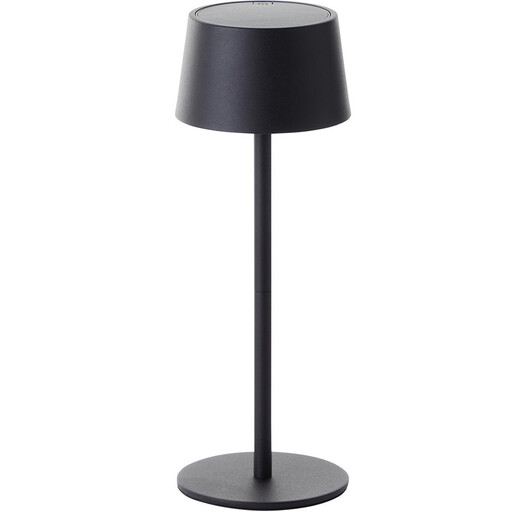
Why it suits this type of user: This portable table lamp is handy on a balcony, patio or outdoor table when you want to move your ambient lighting around without needing cables.
The specifications clearly state that it has three dimming settings, can be charged using solar power or USB, and has an IP44 rating. Don’t use the light in standing water or under direct water jets.
170 lumens; warm white 3000K; three dimming settings; solar and USB charging; integrated battery.
We’ve put together a complete, up-to-date list of products that meet these strict selection criteria and the applicable European safety regulations.
Choose a spot where the solar panel receives several hours of direct daylight. Avoid shade from trees, fences and roof edges. Clean the panel regularly with a soft, damp cloth. Bear in mind that how long the light lasts may vary with cloud cover and the season.
Its lifespan depends on the light, battery, switching frequency and conditions. With integrated LEDs, the light source often can’t be replaced by the user. So check the product information, warranty terms and replacement options before you buy.
With solar models, the battery charges during the day, so no fixed electricity connection is needed. For mains-powered models, energy use depends on the wattage and how long the light is on. A sensor can limit how long it stays on, while a dimming function can adjust the light level. For a fair comparison, look at the wattage, lumens, operating time and charging method rather than just the purchase price.
