
Vandaag of morgen in huis

Kwaliteit gegarandeerd

Welkomstaanbiedingen ontgrendelen: GRATIS bezorging | Tot 80% korting | Gratis 30 dagen JoyPlus-proefperiode
Download de app
Good outdoor lighting doesn’t have to be complicated. Yet many people buy a lamp that disappoints in practice: the battery runs out quickly, the light output isn’t right for the location or the product turns out to be less resistant to rain than the product photo suggests. With a few simple checks, you can avoid a poor purchase and choose more confidently between a solar outdoor table lamp, LED outdoor light, wireless outdoor lamp or portable lighting for cycling and camping.
The number of lumens indicates how much light a lamp produces. A 170-lumen lamp can work well as atmospheric lighting on a table, but that doesn’t automatically make it suitable for lighting an entire patio. Soft, warm light is often enough for a balcony or dining table. For a dark shed, garden path or cycle ride, visibility, light distribution and mounting are more important than the lumen figure alone.
An IP44 outdoor lamp is protected against solid objects larger than 1 millimetre and splashing water from various directions. This doesn’t mean the lamp can be submerged or exposed to heavy rain and direct water jets for long periods. With an outdoor lamp featuring USB, it’s also sensible to keep the charging port dry during use and storage, unless the manufacturer specifically states that it is protected.
A higher rating, such as IP65, provides protection against dust and water jets. Even then, it’s important to follow the mounting instructions. Always check the IP code as well as the warnings in the product information.
A solar outdoor table lamp is useful on a sunny balcony or patio, but charging time depends on the amount of direct sunlight. In winter, during overcast weather or when the lamp is positioned under a canopy, the battery may not charge as fully. An rechargeable outdoor lamp with USB as a second charging option gives you more flexibility. Pay attention to the type of connection: USB-A and USB-C are not the same, and a cable or adapter is not always included.
Warm white light around 3000 kelvin creates a relaxed feel that suits a patio, balcony or garden table. If you want to switch between different situations, look for a dimmable table lamp. A lamp with three brightness settings is practical for, for example, a meal, a conversation or gentle background lighting.
Cycling and outdoor activities require a different light profile. A bicycle rear light with a brake sensor must primarily be clearly visible to traffic behind the cyclist. A head torch for camping, meanwhile, benefits from an adjustable beam, straightforward controls and comfortable fastening.
When choosing a wireless outdoor lamp, check:
A long operating time in the product description may depend on the selected light setting. Treat a stated maximum as a product specification under certain conditions, rather than a fixed expectation for every situation.
A metal housing can provide a solid feel, while plastic components help keep the weight down. For a table lamp, stability is particularly important: a lightweight lamp can topple more easily on a wobbly table or near the edge. Place a freestanding lamp on a flat, stable surface.
With bicycle lights, mounting options are just as important. A bracket, cable ties or an adhesive strip offer different installation options, but check that the chosen fastening is suitable for your bicycle, e-bike or scooter.
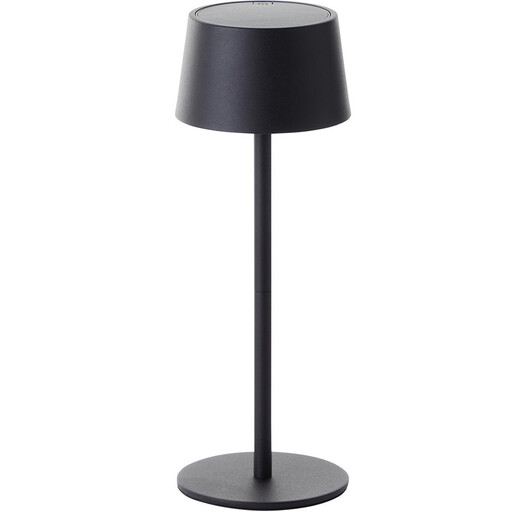
Why it suits this profile: This compact lamp is designed for atmospheric lighting on a balcony, patio or table and doesn’t need to be connected to a fixed power source.
The product details mention both solar and USB charging. This means you’re not entirely dependent on sunlight. IP44 is correctly described as protection against splashing water, not protection against submersion.
170 lumens, warm white light at 3000 K, integrated battery, three dimming settings and a metal housing.
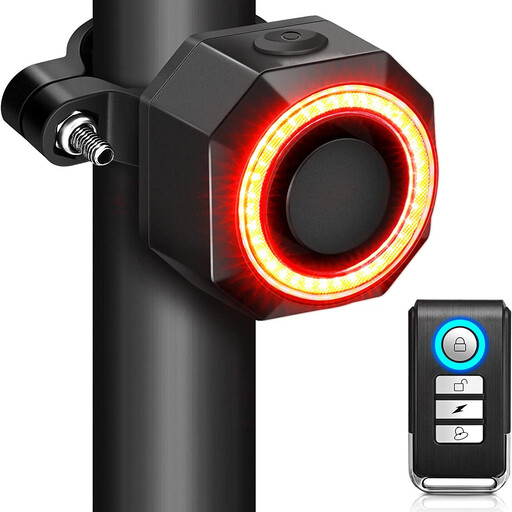
Why it suits this profile: For cyclists looking for portable outdoor lighting with a USB-C connection, several mounting options and extra features for everyday use.
The product description mentions an IP65 housing and USB-C charging. The operation of the brake sensor and alarm is a specification provided by the seller; always check visibility and local traffic regulations before use.
700 mAh lithium-ion battery, USB-C port, brake sensor, remote control and mounting with a bracket, cable ties or adhesive strip.
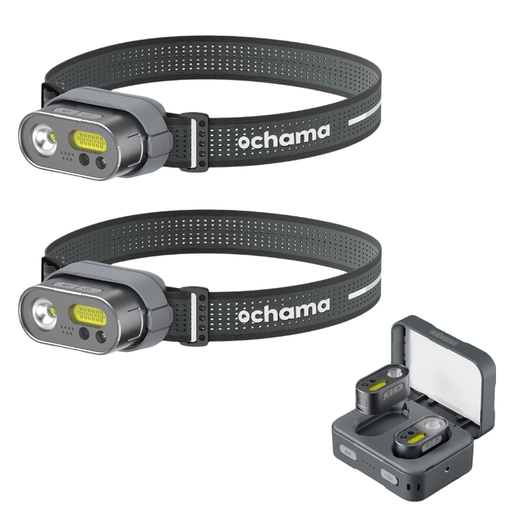
Why it suits this profile: A head torch for camping keeps both hands free when walking, putting up a tent or doing jobs around the caravan.
According to the product information, the set contains two head torches, a base, strap, charging cable and charging case. This makes it possible to check the contents before ordering; however, check the full specifications and operating time on the product page.
Two head torches, charging case, USB-C charging cable and dimmable controls with a motion sensor, according to the product description.
We’ve put together a complete, up-to-date list of products that fully meet these strict selection criteria and the applicable European safety regulations.
This depends on battery capacity, light setting, temperature and frequency of use. A lamp used on its lowest setting will generally stay lit for longer than one used at maximum brightness. So don’t just compare the promised maximum operating time; also consider the charging time and selected light mode.
That depends on the product and how it is positioned. IP44 protects against splashing water, but not against submersion, direct water jets or prolonged exposure to heavy rainfall. With a freestanding table lamp, storing it indoors during wet or freezing periods is often a sensible choice.
An integrated LED outdoor lamp generally has low electrical power consumption compared with traditional light sources. With a solar lamp, the battery is charged by sunlight; with USB charging, power consumption depends on the battery capacity and how often it needs recharging. Check the stated wattage and charging details if energy costs are important to you.
