
Vandaag of morgen in huis

Kwaliteit gegarandeerd

Welkomstaanbiedingen ontgrendelen: GRATIS bezorging | Tot 80% korting | Gratis 30 dagen JoyPlus-proefperiode
Download de app
The right outdoor lighting can transform a garden, balcony, or driveway. It creates ambiance on long summer evenings, enhances security, and makes your home more practical. But the search for the right lights often leads to frustration. Many products fail to meet expectations, especially when faced with challenging weather conditions.
As a Joybuy Product Recommendation Officer, I see where things go wrong every day. Before you make a purchase, it's helpful to know the most common pitfalls:
By paying attention to a few key specifications, you can avoid these problems and make a purchase you'll enjoy for years to come.
Marketing jargon says little. Focus on the actual product features. These are the three most important specifications to check.
The IP (Ingress Protection) rating indicates how well a light is protected against dust and moisture. This isn't marketing; it's a standardised norm. For outdoor lighting, these are the most relevant values:
So, always look beyond the term "weatherproof" and check the IP rating to see if it matches the intended location.
The choice of power source determines not only the ease of installation but also the reliability of the lighting.
LED outdoor lighting is now the standard. It consumes little energy and has a very long lifespan, regardless of the power source.
Consider the main purpose of your lighting. This will determine the type of light you need.
Based on these criteria, we have selected a number of products that suit different needs and situations.
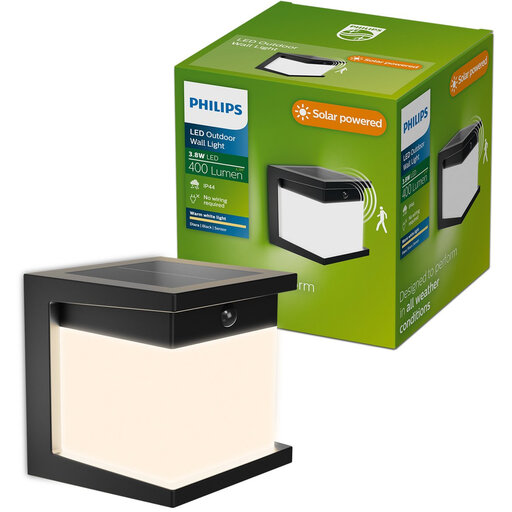
Why This Fits Their Persona: Ideal for those seeking security and convenience without the fuss. This light combines a motion sensor with the simplicity of solar power. Perfect for a shed, back door, or driveway where there's no power outlet.
Avoids the complex installation pitfall. You don't need to run cables or call an electrician. Two screws in the wall are all it takes.
The combination of a motion sensor and a dusk-to-dawn sensor ensures efficient energy use. The light only turns on when needed. Its IP44 rating makes it suitable for most sheltered outdoor locations.
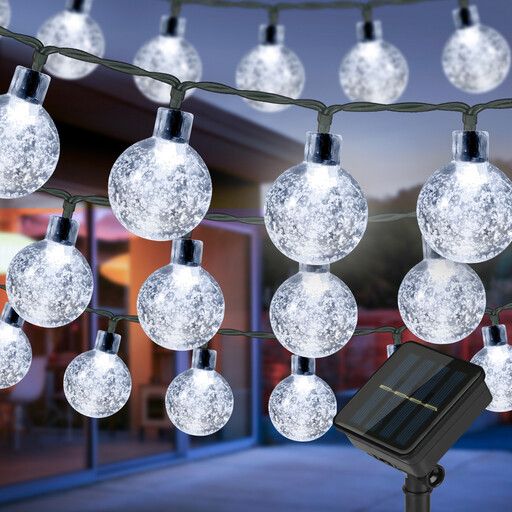
Why This Fits Their Persona: For those who want to quickly and affordably add atmosphere to a balcony, patio, or pergola. At 11 metres, this string light is long enough to decorate a large area and runs entirely on solar power.
Tackles the 'solar disappointment' pitfall. According to the manufacturer, it has an operating time of 8-14 hours on a full charge, which is enough for an entire evening. The IP65 rating means the string is highly resistant to rain.
No installation required; you can wrap the string around anything. With 8 different light modes (from steady on to flashing), you can adjust the mood for any occasion.
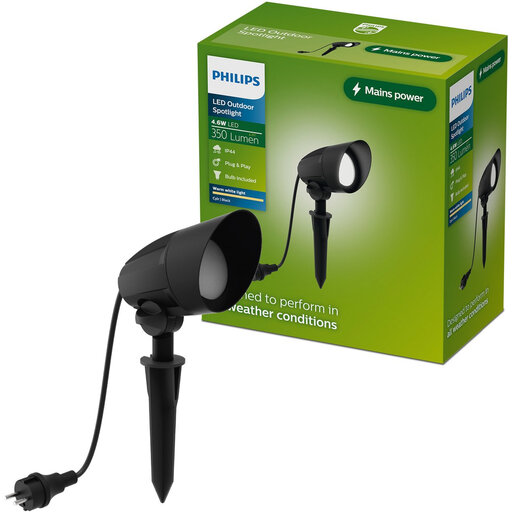
Why This Fits Their Persona: Perfect for the gardening enthusiast who wants to accent specific features like a beautiful tree, a statue, or a flowering shrub. This ground spot provides focused, warm white light and is easy to position.
Counters the 'weatherproof myth' with an aluminium housing and a clear IP44 rating. This material is more durable than cheap plastic and more resistant to corrosion. The plug-in installation is more reliable than solar for focused accent lighting.
The spotlight is adjustable, allowing you to aim the light precisely. Installation is simple: stake the spot into the ground and plug it into an outdoor socket. The GU10 light source is replaceable, extending the product's lifespan.
The right outdoor lighting depends on your specific garden and preferences. Countless styles and functions are available, from smart outdoor lighting to classic garden lanterns.
The IP rating indicates the degree of protection. The first digit stands for protection against solid objects (like dust) and the second for protection against moisture. A simple rule of thumb: IP44 is fine for under an overhang, while IP65 or higher is necessary for places fully exposed to rain.
This is highly dependent on the amount of direct sunlight during the day, the quality of the solar panel, and the battery's capacity. Manufacturers often provide a range, for example, 6 to 12 hours. For climates with less consistent sun, it's wise to assume the lower end of this range, especially in autumn and winter.
No, that's not always necessary. For solar lighting, lights with rechargeable batteries, and plug-in lights, no electrician is required. You can safely install these yourself. Only for outdoor lighting that must be hardwired directly to the 230V mains is hiring a certified electrician mandatory and safe.
