
Vandaag of morgen in huis

Kwaliteit gegarandeerd

Welkomstaanbiedingen ontgrendelen: GRATIS bezorging | Tot 80% korting | Gratis 30 dagen JoyPlus-proefperiode
Download de app
An outdoor light with a motion sensor may seem simple to choose, until you start looking at brightness, installation and protection from rain. A high lumen rating doesn’t automatically mean a light will work well by your front door. And a solar outdoor light may stay on for less time in winter if its panel gets very little direct sunlight.
The most common buying mistakes come down to three pitfalls:
Check how you’ll use the light and review its specifications before you buy. This will help you choose the right option, whether that’s a solar outdoor light with a motion sensor, a mains-powered LED outdoor light or decorative solar garden lighting.
An IP code has two digits. The first indicates protection against solid objects and dust; the second indicates protection against water.
A higher IP rating doesn’t automatically make a product suitable for every situation. Check the installation instructions too, and make sure connections or components aren’t left sitting in standing water for long periods.
Brightness is measured in lumens. As a practical guide:
Colour temperature is measured in kelvin. Warm white outdoor lighting at around 2700 to 3000 K creates a softer effect. At around 7000 K, the light looks much cooler and brighter. Note: the UME security light’s product information describes 7000 K as “warm white”. Always check the kelvin rating rather than relying on the marketing name alone.
A motion sensor switches on the light when it detects movement. When comparing products, look at:
An outdoor solar light doesn’t need a mains cable, but its performance depends on direct sunlight. Don’t place the panel behind glass, under dense foliage or on a wall that’s in the shade for most of the day. It may stay on for less time during dark winter periods. This isn’t a fault, but a result of having less energy available to charge it.
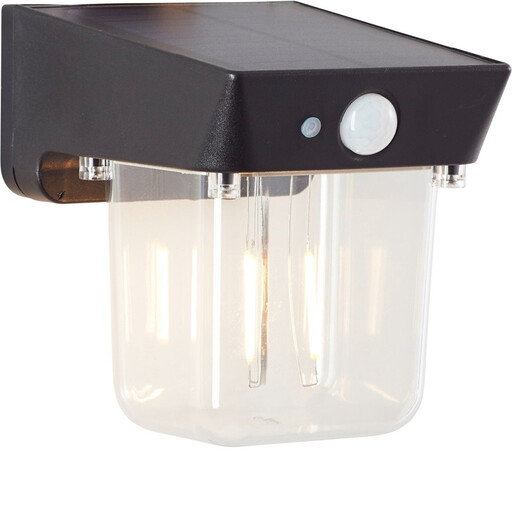
Why it suits this user: A compact solar wall light for an entrance, small patio or balcony without existing wiring.
The specifications list 180 lumens, 2700 K and IP44. This makes it clear that it’s designed to light a nearby passage, not a large driveway.
Integrated battery, solar panel and motion sensor, with installation that doesn’t require a mains cable.

Why it suits this user: A good choice if you’re looking for a brighter wall light for an entrance, exterior wall or patio, with automatic operation.
The product details list 1000 lumens, 3000 K, two lighting modes and IP44. This makes it easier to compare the light output with the intended location.
Solar power, dusk and motion sensors, two modes and a light output of 1000 lumens according to the product specifications.

Why it suits this user: For a driveway, large garden or garage where you want a wide beam and greater protection against splashing water.
The specifications list IP65, three lighting modes, a 180-degree detection angle and a range of 60 feet. Make sure these figures are suitable for where you plan to install it.
Three adjustable light heads, a stated output of 3000 lumens and solar power without electrical wiring.
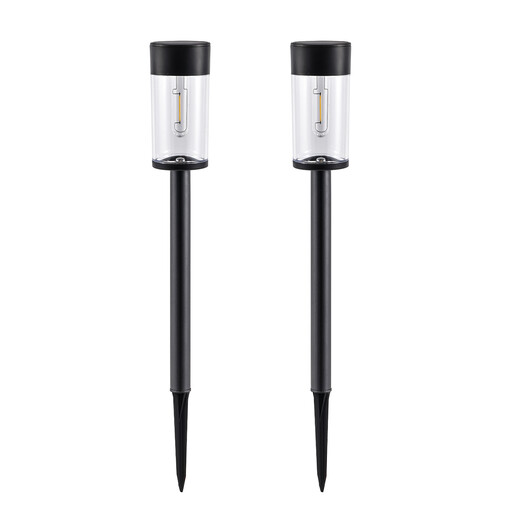
Why it suits this user: For garden lovers who want to highlight a path, flower bed or patio edge with gentle lighting.
At 10 lumens per light, its purpose is clearly decorative and to help you find your way. So don’t expect it to act as a security light for a large driveway.
Set of two, 3000 K, ground stakes, automatic activation and IP65 according to the product information.
We’ve put together a complete, up-to-date list of products that meet these strict selection criteria and current European safety regulations.
Position an outdoor light with a motion sensor so it isn’t constantly triggered by a busy road, moving branches or pets. Point the sensor towards the route you want to light and attach the lamp to a firm, flat surface.
If you have a solar outdoor light with a motion sensor, follow these steps:
A mains-powered 230-volt outdoor light can provide a constant power source, but it must be installed in line with the product instructions and applicable safety regulations. Have any work involving mains voltage carried out by a qualified electrician.
Yes, but it may stay on for less time because there’s less daylight, the sun is lower in the sky and the weather is cloudier. A clean panel and a sunny installation spot will help it store as much energy as possible.
That depends on the detection range and sensor angle. Check the instructions and position the light so the sensor covers the route you walk along. Installing it too high can reduce detection; too low, and it may be triggered by animals.
A solar LED outdoor light doesn’t use mains electricity during normal operation. Instead, it uses energy stored in the battery during the day. A mains-powered LED outdoor light generally uses little electricity compared with older light sources, but its actual consumption depends on its wattage and how long it’s on. So check the stated wattage and operating mode.
