
Vandaag of morgen in huis

Kwaliteit gegarandeerd

Welkomstaanbiedingen ontgrendelen: GRATIS bezorging | Tot 80% korting | Gratis 30 dagen JoyPlus-proefperiode
Download de app
A good jacket should suit both the weather and how you plan to use it. A walking jacket for a gentle outing needs different features from a high-visibility jacket for working alongside roads. A women’s jacket or men’s jacket for the daily commute does not necessarily need the same construction as a technical jacket for camping.
However, the product description does not always tell you the whole story. Before buying an outdoor jacket, watch out for these common pitfalls.
A water-repellent jacket can temporarily make light rain bead up and roll off. That does not automatically mean you will stay dry during a prolonged shower. Check whether the jacket is described as a waterproof jacket, and see whether the seams are taped or sealed. Zips, pockets and shoulder seams are particularly likely to let water in.
A DWR treatment, or Durable Water-Repellent finish, helps water run off the surface. This finish can become less effective through use and washing. Always follow the care label and check whether reproofing is permitted.
A thick winter coat can be comfortable while waiting for the bus, but may become too warm during a brisk walk. For active users, breathability, ventilation zips and an effective layering system are more important than a thick lining alone.
A fleece jacket often works as an insulating mid-layer. A shell or hardshell protects you from rain and wind on top. A 3-in-1 jacket combines these functions, but may be heavier and less compact than two separate layers.
A jacket that fits well without a jumper may feel tight once you put on a fleece or woollen jumper. Measure your chest, waist and arm length, then compare these measurements with the product’s size guide. Also check the sleeve length and whether the hood is adjustable.
For cycling and walking, adjustable cuffs and a drawcord in the hem are practical features. For everyday use, pockets, a soft chin guard and a two-way zip may be more important.
The hydrostatic head indicates how much water pressure a material can withstand according to a particular test. According to the brand’s product information, the PELLIOT fleece-lined jacket has a stated hydrostatic head of 35.900 mm H₂O according to JIS. This is a product specification, not a guarantee that every part of the jacket will remain dry in all conditions.
Also look out for:
Breathability is often expressed as MVTR, for example in g/m²/24 hours. According to PELLIOT’s product description, the fleece-lined jacket has a stated MVTR of 16.000 g/m²/24 hours according to JIS. A higher value may indicate greater moisture transfer under the relevant test method, but your experience will also depend on the temperature, level of exertion, base layers and ventilation.
A mesh lining, underarm zips and a fit that is not too tight can help remove heat and moisture more effectively.
Polyester and nylon are widely used in outdoor jackets. A coating or membrane can improve protection against rain, while a fleece or synthetic lining adds warmth. According to its product information, PELLIOT claims an abrasion resistance of more than 40,000 rubbing cycles for one of its jackets. With figures like these, always check which test method was used.
Care affects the jacket’s lifespan. Wash technical jackets according to the label, do not use fabric conditioner if this is discouraged, and preferably allow the jacket to air-dry when the instructions require it. A dirty or incorrectly treated outer layer may be less effective at repelling water.
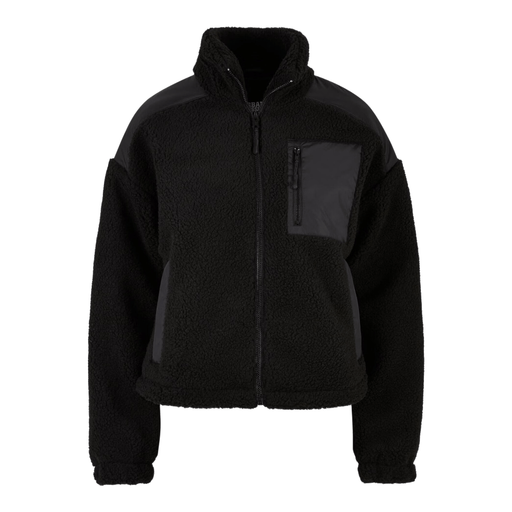
Why it suits this profile: This lightweight women’s jacket is designed for everyday use and a casual outdoor style. The Sherpa texture and mesh lining are particularly practical in dry, cool weather.
The product description positions this model as a lightweight jacket for everyday use, not as a waterproof rain jacket. This makes it clearer what you are and are not buying it for.
Oversized fit, high collar, elasticated cuffs, side pockets and a zipped chest pocket.

Why it suits this profile: This walking jacket is designed for changeable conditions. According to The North Face’s product information, the model features a DryVent outer layer with sealed seams, wind protection and a mesh lining.
The description lists specific construction details, such as sealed seams, an adjustable hood and a drawcord in the hem, rather than making only general claims about weather protection.
Waterproof and windproof DryVent layer according to the product description, two zipped pockets and a regular fit.
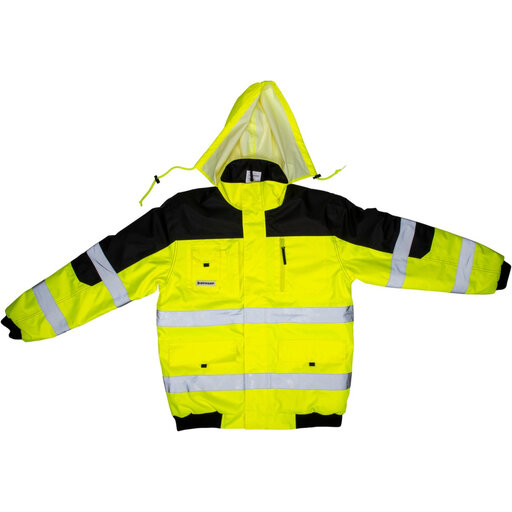
Why it suits this profile: For working in poor weather or areas with traffic, visibility is an important purchasing criterion. According to the product description, this high-visibility jacket has a fluorescent yellow colour and retroreflective strips.
The product information specifies the material, lining, double stitching and sealed seams. For professional use, however, check that the required standard shown on the label matches your working environment.
Polyurethane-coated polyester Oxford fabric, mesh lining and size L. The product information describes it as windproof and water-resistant.
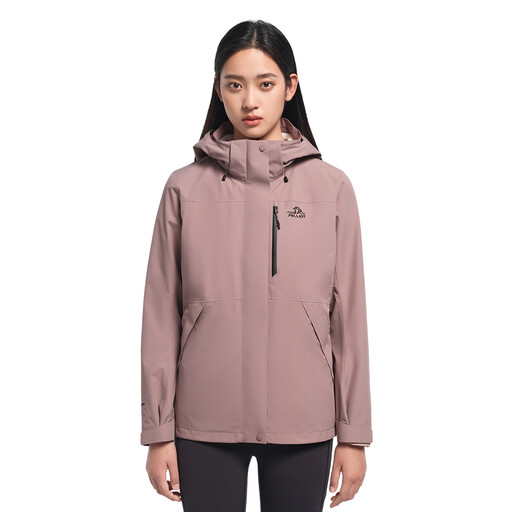
Why it suits this profile: The 3-in-1 concept is suitable for campers, walkers and commuters who want to wear the shell and lining separately or together.
The three ways of wearing it allow you to adjust the warmth. Do check the size guide, though: you may need a larger size when wearing layers.
Wear the shell, lining or combination; the product information lists an adjustable hood, hem and cuffs.
We have put together a complete, up-to-date list of products that fully meet these strict selection criteria and the applicable European safety regulations.
A rain jacket is primarily designed to keep precipitation out and often has a coated or laminated outer layer. A softshell jacket generally offers greater freedom of movement and breathability, but is not automatically fully waterproof. Always check the product specifications and seams.
Its lifespan depends on the material, use, washing and storage. A jacket worn regularly for walking or work will wear out faster than one used occasionally in town. Zips, cuffs and the water-repellent finish deserve particular attention. Follow the care label and store the jacket somewhere dry and clean.
Not necessarily. Focus on the features you will actually use: waterproofing, ventilation, insulation, fit and care requirements. For everyday use, a simple jacket may be perfectly adequate. For intensive walks or changeable conditions, a jacket with sealed seams, adjustable features and a removable lining may be more practical. Also check the statutory guarantee and the full product information before placing your order.
