
Vandaag of morgen in huis

Kwaliteit gegarandeerd

Welkomstaanbiedingen ontgrendelen: GRATIS bezorging | Tot 80% korting | Gratis 30 dagen JoyPlus-proefperiode
Download de app
A jacket may look suitable for every type of weather in a product photo, but in practice water resistance, warmth, fit and care requirements can vary considerably. Anyone buying one of the many outdoor jackets without comparing them first is likely to encounter three familiar pitfalls:
That is why choosing the right jacket should start with how and when you plan to use it, rather than with the brand or colour.
For changeable British weather, a waterproof jacket is worth considering if you regularly walk or cycle in the rain. Look beyond the word “waterproof” and check the following:
According to the product description, the The North Face Quest Jacket features a fully seam-sealed, waterproof and windproof DryVent construction. This is verifiable product information. Actual protection also depends on use, wear and care. A coating may need to be reapplied over time.
A rain jacket without a good hood or adjustable cuffs may still let water in, even when the outer fabric has been designed for technical performance.
A windproof jacket is useful for cycling, walking along the coast or running. However, wind protection is not the same as warmth. A lightweight shell can block the wind, but may need an extra layer in low temperatures.
Layering is practical for active users:
According to the product information, the North Face jackets in this selection use materials including polyester, DryVent and fleece. This indicates how the garment is constructed, but it does not mean that every wearer will experience temperature in the same way.
A 100% polyester jacket can be lightweight, easy to care for and suitable as a technical outer layer. Cotton feels comfortable and works well for a trench coat, but generally dries differently from synthetic fabrics. Therefore, check:
With a 3-in-1 jacket, sizing is particularly important. For example, the outer jacket of the PELLIOT has different measurements from the inner layer. Do not choose solely based on your usual clothing size. Compare the chest, shoulder and sleeve measurements with the size chart.
A women's jacket for commuting does not need to have the same features as a jacket for camping. For everyday use, appearance, pockets and a smart cut may be more important. For walking, travelling and camping, a hood, ventilation, protection and layering options matter more.
A men's jacket for running or training should provide enough freedom of movement. For cold days, an insulated winter jacket or parka makes more sense than a lightweight shell. A fleece jacket works well as a mid-layer, but does not protect against heavy rain on its own.
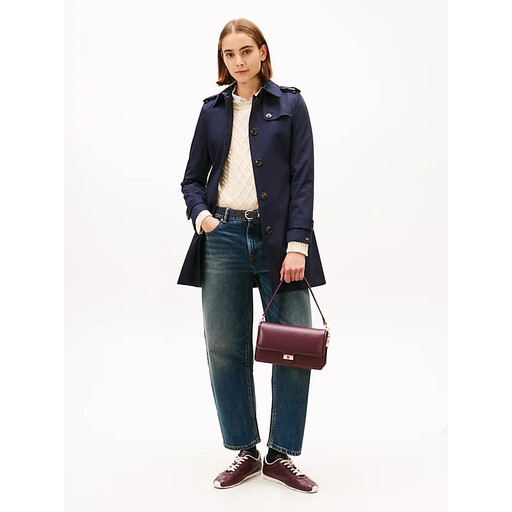
Why it suits this profile: This cotton trench coat is designed for everyday and smarter wear, for example in the city, at the office or when travelling in mild weather.
The product information lists a composition of 100% cotton. Therefore, do not expect the technical rain protection of a seam-sealed shell.
Smart single-breasted style, midnight colour and sizes from XS to 3XL according to the listed size chart.
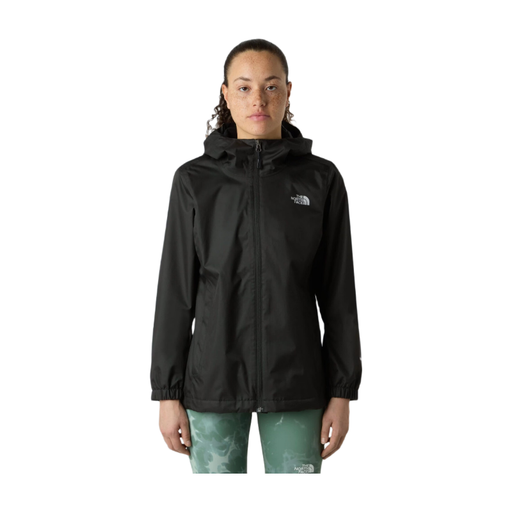
Why it suits this profile: According to the product description, this women's jacket is designed for walking and changeable conditions, with a technical outer layer and practical adjustment features.
The product details mention fully seam-sealed seams, an adjustable hood, cuffs and hem. Check the care label to ensure the coating is properly maintained.
2-layer DryVent fabric, mesh lining, two zipped pockets and sizes from XS to 3XL.
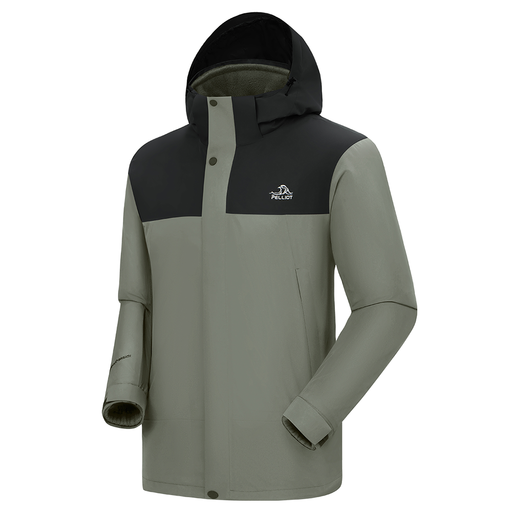
Why it suits this profile: This 3-in-1 jacket is designed for camping, travelling, commuting and outdoor activities where layering is useful.
According to the product information, the outer layer and thermal inner layer can be worn separately or together. This allows you to adjust the insulation to suit the weather.
3-in-1 construction, taped seams according to the product description, and sizes from S to XXXL.
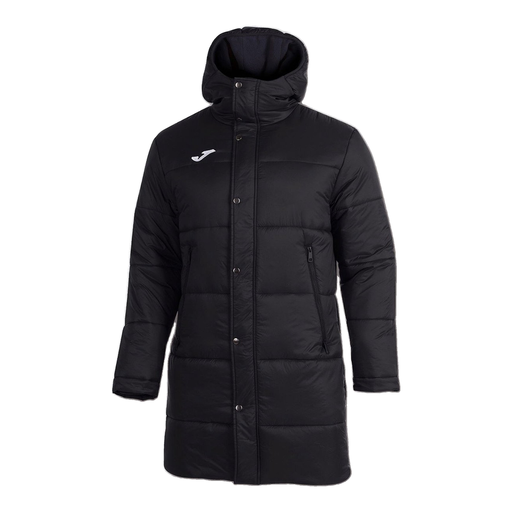
Why it suits this profile: This men's jacket is a practical option for cold days in the city and outdoor use when warmth and storage space are important.
The product details list insulation, a waterproof outer layer, an adjustable hood and cuffs. Check the exact size chart and care label before buying.
100% nylon according to the product specification, fleece lining and several pockets with zips or hook-and-loop fastenings.
We have put together a complete, up-to-date list of products that fully meet these strict selection criteria and the applicable European safety regulations.
A water-repellent jacket allows light rain to roll off the surface temporarily. A waterproof jacket is designed to keep out more water, particularly when the seams, zips and hood are also properly constructed. Always check the complete product description and care instructions.
For walking, a lightweight walking jacket with an adjustable hood, wind protection and breathable properties is often a practical choice. In cold weather, you can wear a fleece jacket underneath. If you want maximum flexibility, consider a 3-in-1 jacket.
Fasten zips and hook-and-loop closures before washing and follow the label inside the jacket. Do not use bleach if it is not recommended, and avoid using a tumble dryer when the instructions say so. A jacket with a DWR finish may need care or reproofing; follow the manufacturer's instructions.
