
Vandaag of morgen in huis

Kwaliteit gegarandeerd

Welkomstaanbiedingen ontgrendelen: GRATIS bezorging | Tot 80% korting | Gratis 30 dagen JoyPlus-proefperiode
Download de app
A jacket for walking, camping or cycling every day needs to do more than look good. In the Netherlands, wind, rain and low temperatures can come and go quickly. Even so, product claims can be difficult to compare. A high hydrostatic head rating, for example, does not tell you everything about the seams, zips and hood. And a warm jacket can feel too heavy or not breathable enough on an active walk.
In this guide to outdoor jackets for women and men, you’ll find out which features you can check, which common pitfalls to avoid and which type of jacket suits the way you plan to use it.
“Water-repellent” does not automatically mean you’ll stay dry during a prolonged downpour. A durable water-repellent finish, often referred to as DWR, helps water droplets run off the outer fabric. Its effectiveness can diminish with washing and wear.
So check:
A down jacket for women or men can weigh very little while still providing plenty of warmth, but the fit and filling affect how comfortable it is in practice. A lightweight jacket with limited insulation is suitable as a mid-layer, but it is not necessarily a winter coat.
A fleece jacket for women or men feels soft and works well as an insulating layer. However, fleece does not automatically protect you from prolonged rain or strong winds. In changeable weather, wearing a fleece mid-layer with a separate shell can be more practical.
You’ll often wear an outdoor jacket over a T-shirt, fleece or jumper. A jacket that’s too tight can restrict your movement and reduce its insulating effect. One that’s too loose can let the wind in.
Always check the size guide for the specific product. Look at chest measurement, shoulder width, sleeve length and whether there’s room for an extra layer. Sizes can vary between brands and styles.
Down is known for offering insulation with little added weight. When checking a down jacket, look for information about the type of down, the ratio of down to feathers and the fill power. If this information isn’t available, compare the stated fit, construction and intended use rather than relying on a number in the product name.
Synthetic filling is often a practical choice for everyday wear and changeable conditions. One example is the Urban Classics Basic Puffer Jacket, with a polyamide outer, polyester filling and polyester lining. According to the product description, this style also has a hood and is designed for everyday use in cold weather.
Fleece works mainly as a warm mid-layer. It’s generally comfortable for walking and travelling, but in rainy weather you should wear it with a waterproof shell. A fleece jacket is not automatically a substitute for a waterproof jacket.
Technical ratings are useful when choosing a waterproof outdoor jacket. The product description for the THE North Face Men Jackets NF0A8DY2 specifies DryVent waterproof fabric, sealed seams and a non-PFC water-repellent finish. The outer fabric is made from 100% recycled polyester, according to the same description.
The product description for the PELLIOT fleece-lined jacket lists a hydrostatic head of 35.900 mm H₂O, breathability of 16.000 g/m²/24 uur and abrasion resistance of more than 40,000 rub cycles. These figures come from the product description; they should not be taken as a guarantee for every weather condition or length of use.
For walking and commuting, useful features include an adjustable hood, secure pockets, adjustable cuffs and a well-fitting collar. Check the care instructions too. Some water-repellent coatings should only be treated at a low temperature. Always follow the care label and fasten the zips before washing.
A 3-in-1 outdoor jacket can consist of an outer layer and a removable inner layer. You can wear the layers separately or together. This offers flexibility in autumn, winter and spring, but check that both layers fit comfortably over one another.
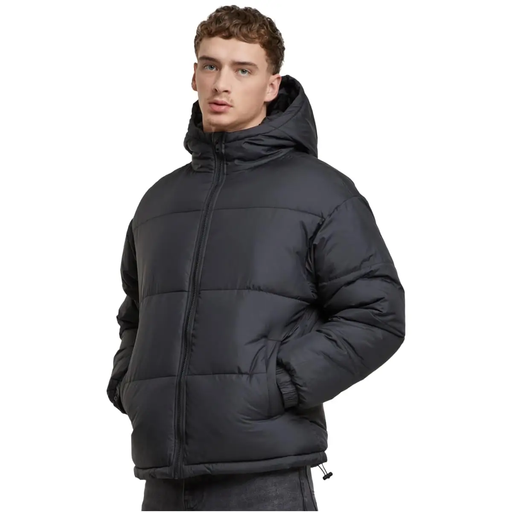
Why it suits this profile: A simple winter coat with a hood for everyday use, travel and commuting when you don’t need a technical hiking jacket.
The product description clearly states the outer fabric, filling, lining and hood, so you don’t have to rely on a general term such as “warm”.
100% polyester filling, a polyamide outer, polyester lining and a hood, according to the product information.

Why it suits this profile: Designed for running, training and outdoor use, where rain protection and freedom of movement matter.
The description mentions DryVent, sealed seams, a DWR finish and a hood. This is more specific than simply calling it “rain-resistant”.
100% recycled polyester, sealed seams, a hood and zipped pockets, according to the product description.

Why it suits this profile: A 3-in-1 style for camping, trekking and commuting, when you want the flexibility to combine a shell with an insulating layer.
The product description lists the separate layers, hydrostatic head, breathability and care instructions. This makes it easier to assess the style than relying on “all-weather” alone.
According to the product description: 35.900 mm H₂O hydrostatic head, breathability of 16.000 g/m²/24 uur and a removable fleece lining.
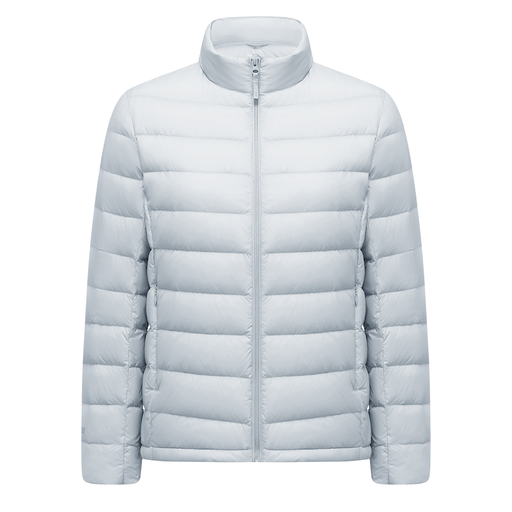
Why it suits this profile: A lightweight down jacket for travel, walks in dry, cold weather and as a warm layer under a shell.
The style is described as a lightweight quilted down jacket. Before buying, check the full filling details and size guide on the product page.
Quilted design, down construction according to the product name, and a low weight according to the product description.
We’ve put together a complete, up-to-date list of products that meet these strict selection criteria and the applicable European safety regulations.
Choose a jacket with proven protection from rain and wind, an adjustable hood and enough room for a fleece layer. Breathability matters for more strenuous walks. A fleece jacket on its own is usually not enough in prolonged rain.
That depends on the insulation, fit, length and wind protection. A lightweight down jacket is practical in dry, cold weather and as a mid-layer. In wet conditions, you may need a separate waterproof shell. Check the care instructions too, as down often needs more care than synthetic filling.
Its lifespan depends on how often and how you use it, as well as friction, washing and storage. Follow the care label, avoid harsh products and only restore a water-repellent finish according to the manufacturer’s instructions. Before buying, check the zips, seams and cuffs, and make sure clear product and care information is available.
