
Vandaag of morgen in huis

Kwaliteit gegarandeerd

Welkomstaanbiedingen ontgrendelen: GRATIS bezorging | Tot 80% korting | Gratis 30 dagen JoyPlus-proefperiode
Download de app
In the UK, an outdoor jacket often needs to do several jobs. You might wear it on a walk, on your cycle to work, during a training session or on a cold, wet day in town. But not every jacket is suited to all these situations. A lightweight rain jacket will keep the rain off, but offers little warmth. A down jacket is lightweight and warm, but is usually less suitable for prolonged rain.
As a Joybuy Product Recommendation Officer, I assess product information based on practical details: protection, material, fit and intended use. This helps you avoid paying a premium just for marketing claims.
A Durable Water-Repellent treatment, often shortened to DWR, helps water droplets roll off the surface. That doesn’t automatically mean a jacket will keep you completely dry in prolonged rain. Check whether the product description also mentions a waterproof membrane, a rain-jacket construction or taped seams.
Seams matter on a waterproof jacket. Water can seep in through stitched seams, even if the outer fabric itself absorbs very little moisture.
A thick lining doesn’t automatically make a jacket suitable for strenuous walking or cycling. Heat and moisture can build up as you exert yourself. A fleece jacket works best as a warm mid-layer or for everyday use at a relaxed pace. A down jacket usually offers plenty of warmth for its weight, but needs extra care when it comes to maintenance and moisture.
For changeable weather, a combination often works better: a breathable base layer, a fleece jacket for insulation and a windproof or waterproof outer layer.
Outdoor jackets are often worn over other clothes. A snug-fitting jacket can become uncomfortable if you wear a jumper or fleece underneath. As well as your chest or bust measurement, check the sleeve and back length, and allow enough room to move.
Also check whether the jacket has a standard or relaxed fit. A men’s size M won’t have the same measurements as a women’s size M.
Look for specific details about:
According to its product description, The North Face Quest Jacket for women has fully sealed seams and waterproof, windproof and breathable DryVent fabric. The men’s version also uses seam-sealed DryVent fabric, according to the listed specifications. These are product specifications; the protection you get in practice also depends on fit, how long you wear it and how well you maintain it.
A men’s winter jacket or parka is useful if you’re mostly sitting still or spending time outdoors every day. A hiking jacket or softshell is better suited to situations where freedom of movement and wind protection matter. A softshell isn’t necessarily fully waterproof, so check the description for each model.
Check the type of insulation:
Check that the fabric can stand up to the way you plan to use the jacket. Polyester, polyamide and nylon are common in rain jackets, puffer jackets and sports jackets. Also look at the pockets, zips and adjustable features. Zipped pockets are useful for walking; for everyday wear in town, inside pockets may be more important.
Care affects how long a jacket lasts. Follow the care label, fasten the zips and don’t use bleach unless the label says it’s safe to do so. The water-repellent finish on a jacket with DWR can wear off over time. Some manufacturers recommend using a suitable reproofing product, according to their product information.
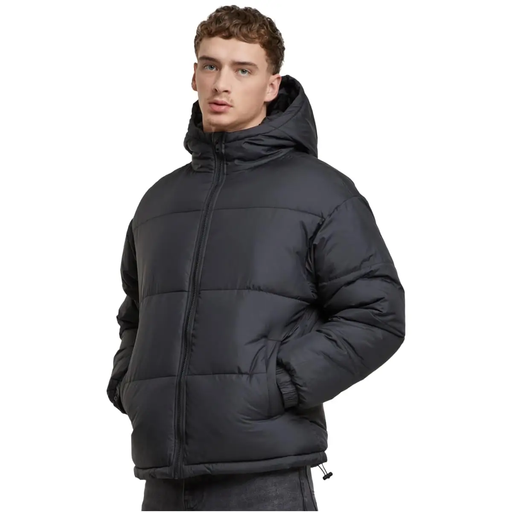
Why it suits this profile: A practical choice for everyday wear in town and cold, dry days. The product information clearly lists the hood and synthetic filling.
The product description gives specific details about the materials and sizing, so you don’t have to rely on the vague claim “warm jacket”. More information is needed to assess its suitability for prolonged rain.
Polyamide outer layer, polyester filling, hood and several sizing details.
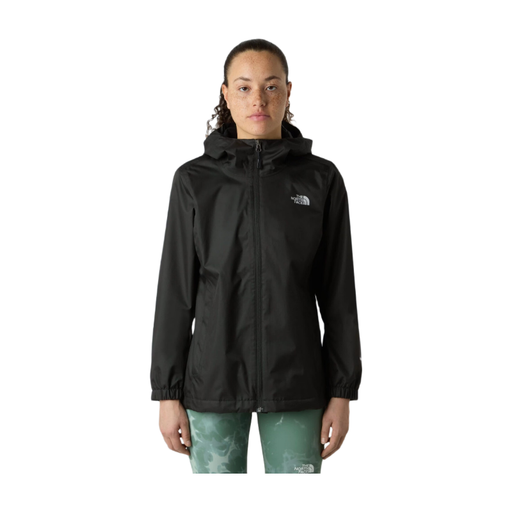
Why it suits this profile: According to the product description, this hiking jacket is designed for changeable conditions, with DryVent fabric, a mesh lining and adjustable features.
The description mentions fully sealed seams and a breathable construction, rather than making only a general claim about rain resistance.
Adjustable hood, cuffs and hem; two zipped hand pockets; mesh lining.

Why it suits this profile: According to the product information, this jacket is designed for outdoor running and training, with a standard fit and practical pockets.
The listed specifications mention DryVent, sealed seams and a standard fit. Be sure to check the size guide if you plan to wear an extra layer underneath.
100% recycled polyester according to the product details, zipped chest and hand pockets, and elasticated cuffs.
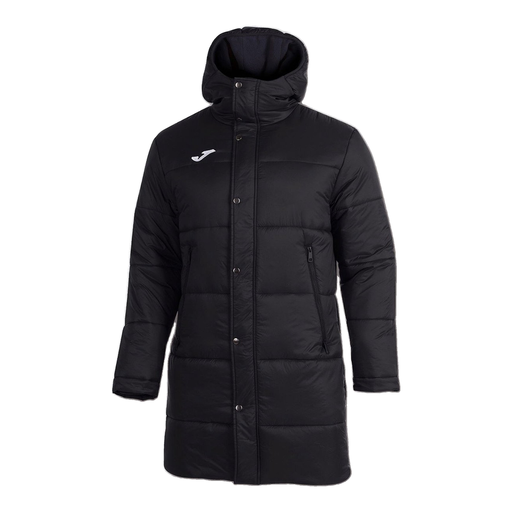
Why it suits this profile: The Joma parka is designed for cold conditions, everyday wear and outdoor activities where extra coverage comes in handy.
The product information mentions insulation, an outer layer described as waterproof, adjustable cuffs and a fleece lining. Check the label for exact care instructions.
Fleece lining, hood, two zipped pockets and an inside pocket with a hook-and-loop fastening.
We’ve put together a complete, up-to-date list of products that meet these strict selection criteria and current European safety regulations.
A softshell jacket often offers good freedom of movement and wind protection. Water resistance varies from one model to another. Check whether the jacket is described as water-repellent or waterproof, and whether information about the seams and membranes is available.
Its lifespan depends on how often you wear it, friction, washing and exposure to rain and dirt. You can help a jacket last longer by following the care label, fastening the zips before washing and only reproofing a DWR finish with a suitable product.
It depends on how you’ll use them. For everyday wear, one winter jacket or parka may be practical. If you also walk or exercise outdoors, you may get more use from a layered system with a fleece jacket and a separate rainproof or windproof outer layer. That way, you can adjust your clothing to suit the temperature and your activity level.
