
Vandaag of morgen in huis

Kwaliteit gegarandeerd

Welkomstaanbiedingen ontgrendelen: GRATIS bezorging | Tot 80% korting | Gratis 30 dagen JoyPlus-proefperiode
Download de app
An outdoor jacket in the Netherlands needs to handle changeable weather. A striking product photo tells you little about comfort, protection and fit. If you only look at brand name or a low price, you could end up with a jacket that leaks quickly, feels too warm while walking, or doesn’t leave enough room for a jumper.
In this buying guide, we explain what to look for in outdoor jackets for women and men. We then share a few product picks for different situations, from everyday cycling to camping and more demanding hikes.
A jacket with a DWR coating can cause raindrops to bead temporarily. That doesn’t automatically mean it will keep out prolonged rain. Check whether the product information states a waterproof jacket, sealed seams or a hydrostatic head test.
Pay attention to construction details too. Water can get in not only through the fabric, but also via zips, cuffs and seams. A jacket with a hood, adjustable hem and closable cuffs generally gives you more ways to limit openings in bad weather.
A thick winter coat isn’t always suitable for walking or cycling. During exertion, a jacket with limited ventilation can feel clammy. Conversely, a thin windproof jacket may not provide enough warmth when you stop moving.
Look at the whole system: outer shell, lining, insulation and ventilation. A fleece works well as a mid-layer under a waterproof shell. A down jacket can deliver a lot of warmth at a low weight, but behaves differently to synthetic insulation in damp conditions.
Outdoor jackets sometimes have a straight or generous cut to allow for layering. A women’s jacket or men’s jacket can therefore fit differently to what you’re used to. Don’t rely solely on S, M or L. Compare chest, waist, hip and sleeve length with the size chart for the specific model.
Wearing the jacket over a fleece or jumper? Allow extra room at the shoulders and underarms. Also check if the sleeves are long enough when you bring your arms forward.
A technical waterproof jacket may list a hydrostatic head value, usually expressed in millimetres of water pressure. A higher value indicates greater resistance to water pressure within that test, but it doesn’t tell the whole story in real-world use. The quality of seams, zips and fit still matters.
Breathability is often expressed in g/m²/24 hours. This is a technical indication of how much water vapour the fabric can pass under test conditions. According to the product information for the PELLIOT 3-in-1 jacket, the stated hydrostatic head is 35,900 mm H₂O and breathability is 16,000 g/m²/24 hours, both according to the mentioned JIS method. These are specifications from the offer; your actual experience will also depend on effort level, temperature and the base and mid-layers you wear.
A windproof jacket is useful on the bike, for a coastal walk or on an open campsite. Look for an adjustable hood, cuffs and hem. These elements help you fine-tune the fit, but won’t seal out wind completely in all conditions.
For sportier use, pit zips, a mesh lining or a lightweight fabric are practical. The North Face Quest Jacket is offered, according to the product description, with DryVent fabric, taped seams, a mesh lining and adjustable details. Performance here is described based on the brand’s product information.
For everyday use, a lined parka or puffer jacket can be sufficient. If you want one system to cover multiple seasons, consider a 3-in-1 jacket. The outer layer protects against precipitation and wind, while the inner layer adds warmth. You can wear the layers separately as the weather changes.
For down, check fill power and the type of down. For synthetic fill, composition, weight and washing instructions are more relevant. A fleece is especially suitable as a warm mid-layer or for dry, cool days; fleece isn’t intended as standalone protection against prolonged rain.
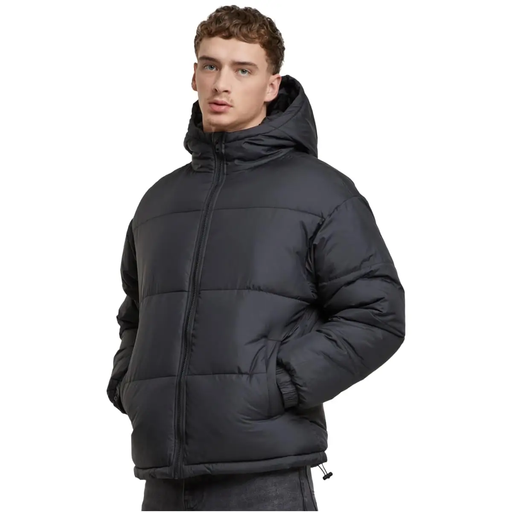
Why it suits this profile: This insulated jacket is aimed at everyday use on cold days and has a hood for extra coverage.
The product information clearly lists the composition: a polyamide outer, polyester fill and polyester lining. Do check the size chart and care label before buying.
100% polyester fill, hood and machine washable according to the supplied product information.

Why it suits this profile: The Triclimate setup suits anyone who wants a single system for changing conditions during travel and outdoor activities.
According to the product description, the two layers can be worn separately or combined. That lets you adjust warmth and protection instead of relying on a single thick layer.
3-in-1 system, adjustable hood and cuffs, zipped pockets and a stated 550 fill power down lining.
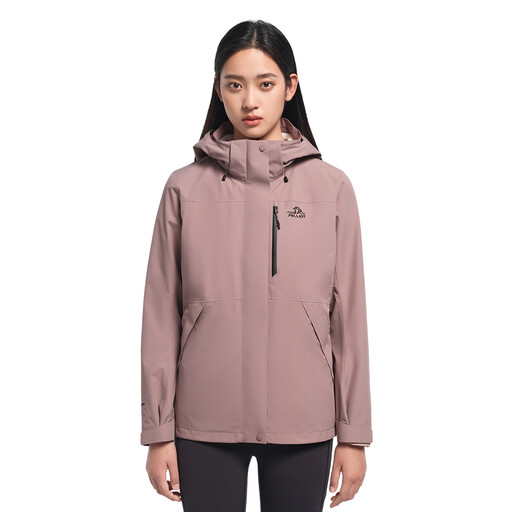
Why it suits this profile: The combination of an outer shell and fleece lining is designed for camping, trekking, travel and daily commuting.
The listing mentions an adjustable hood, hem and cuffs. It also states a hydrostatic head of 35,900 mm H₂O and breathability of 16,000 g/m²/24 hours according to PELLIOT’s own product information.
Outer and inner jackets can be worn separately, stated abrasion resistance of over 40,000 rub cycles and a comprehensive size chart.
We’ve compiled a complete, up-to-date list of products that fully meet these strict selection criteria and current European safety regulations.
Use this quick checklist before you order a women’s jacket or men’s jacket:
A walking jacket with a waterproof outer, hood and adjustable cuffs is practical in rain and wind. For cold days, wear a fleece or light insulating layer underneath. For intense activity, breathability and ventilation zips become especially relevant.
A parka is usually longer and focused on warmth and everyday use. A down jacket uses down as insulation and is often light, but requires careful maintenance in damp conditions. A 3-in-1 jacket combines a protective outer layer with a separate warm inner layer so you can adjust the configuration.
Lifespan depends on use, abrasion, washing and storage. Close zips before washing, use the prescribed detergent and follow the label. With a DWR finish, maintenance or reproofing may be needed over time, as far as the manufacturer prescribes. Check seams, zips and coating regularly before wearing the jacket again.
