
Vandaag of morgen in huis

Kwaliteit gegarandeerd

Welkomstaanbiedingen ontgrendelen: GRATIS bezorging | Tot 80% korting | Gratis 30 dagen JoyPlus-proefperiode
Download de app
A jacket that looks warm isn’t necessarily suited to a rainy Dutch autumn or a winter bike ride. When shopping for outdoor jackets, many buyers focus mainly on colour, brand and discounts. As a result, important details can get overlooked: a non-adjustable hood, not enough room for layers or an outer fabric that only copes with light rain.
Use this practical checklist to avoid a disappointing purchase and choose the right waterproof jacket, winter coat, men’s jacket, women’s jacket, parka, fleece jacket or walking jacket.
A jacket with a water-repellent coating can make raindrops bead up for a while. That doesn’t necessarily mean it will keep you dry in prolonged rain. Check whether the product information mentions a waterproof outer layer, waterproof fabric and, where relevant, taped seams.
For walking, camping and cycling in changeable weather, seams, zips and the fit of the hood are just as important as the fabric itself. A jacket without these details may be fine for your commute, but less suitable for a long walk.
Warmth doesn’t come from the lining alone. Wind getting in through the sleeves, hem or collar can quickly make you feel uncomfortable. Look for adjustable cuffs, a drawcord at the hem and a collar that fastens securely.
A fleece jacket makes a comfortable insulating mid-layer, but it’s usually not designed to provide complete protection from rain. A windproof jacket or hardshell can offer good protection from wind and rain, but may need extra insulation in low temperatures.
An outdoor jacket should leave enough room for a shirt, fleece jacket or lightweight down jacket underneath. At the same time, it shouldn’t be so loose that wind gets in under the hem. Always check the size guide for the specific product. Sizes vary by brand, model and fit.
Also check the sleeve length, chest measurement and whether the hem is adjustable. For cycling or walking, a well-fitting hood and cuffs are practical; for everyday wear, a slightly looser fit may feel more comfortable.
Jackets made from polyester, polyamide or nylon can have different properties. The material alone doesn’t tell you enough. Look for specific information about:
Some brands link these features to specific technologies in their product descriptions. Treat performance claims as information provided by the brand, and check the practical details too, such as the zips, ventilation openings and care instructions.
When choosing a winter coat or warm parka, look at the type of lining and insulation. Synthetic filling is often easy to care for and is used in many everyday jackets. Fleece works well as a soft mid-layer. Down can be lightweight and warm, but needs extra care when it comes to washing and storage.
A 3-in-1 jacket consists of an outer layer and an inner jacket that you can wear separately or together. This makes it a versatile option for changeable conditions, but check that both layers fit comfortably over one another.
A good jacket should fit well without restricting your movement. Check for:
For everyday wear, multiple pockets and easy care may matter more than a highly technical construction. For camping, hiking or long walks, rain protection and the ability to layer are more important.
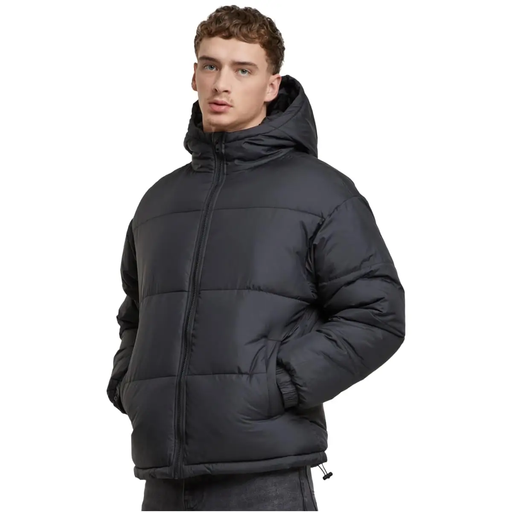
Why it suits this profile: This winter jacket is designed for everyday wear and has a hood, polyester filling and a polyamide outer layer. That makes it a practical choice for cold days in the city.
The product information lists the composition of the outer layer, filling and lining. This helps you decide whether the jacket is right for everyday wear, without expecting it to perform like a technical waterproof jacket.
The polyester filling, hood and care information are clearly listed. Be sure to check the specific size guide before buying.

Why it suits this profile: According to the product description, the Triclimate design combines a protective outer layer with a down inner jacket. You can wear the two layers separately or together.
The different layers mean you don’t need one thick jacket for every type of weather. The product information also mentions taped seams, adjustable cuffs and ventilation openings.
Versatile 3-in-1 design, 550 fill power down according to the product details, and several adjustment points. Note that the product is listed as containing non-textile parts of animal origin.
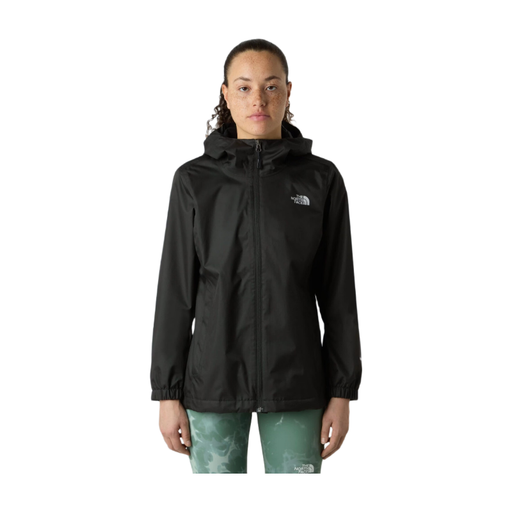
Why it suits this profile: According to the product description, this walking jacket features DryVent fabric, fully sealed seams and a design made for hiking. It works as a protective outer layer over a fleece jacket.
The product details specifically mention waterproof and windproof properties, an adjustable hood and a drawcord at the hem. This gives you more to go on than a general claim that the jacket is suitable for ‘all-weather’ use.
Waterproof, windproof and breathable DryVent outer fabric according to the product description, plus two zipped pockets. Check the size guide before ordering.
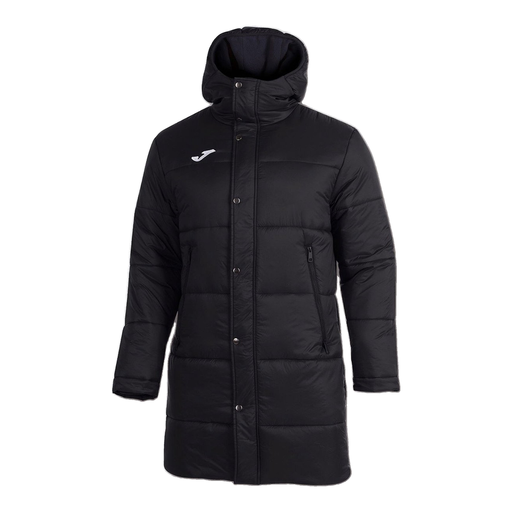
Why it suits this profile: This insulated parka is designed for cold conditions. According to the product information, it combines a waterproof outer layer with a fleece lining, hood and several pockets.
The description specifies the insulation, fleece lining, adjustable cuffs and waterproof outer layer. These details make its key features clearer than a jacket labelled simply as ‘warm’.
Fleece lining, adjustable hood and cuffs, plus double zipped pockets and an inside pocket. The listed size M has a regular fit.
We’ve put together a complete, up-to-date list of products that meet these strict selection criteria and the applicable European safety regulations.
Look for a product description that specifically mentions waterproof fabric, taped seams and an adjustable hood. A water-repellent jacket may be suitable for short showers, but it won’t necessarily offer the same protection in prolonged rain.
Always follow the care label. Don’t use bleach, and avoid fabric softener if the manufacturer advises against it. Fasten the zips and hook-and-loop fastenings before washing. A jacket with a DWR finish may need reproofing; check whether the product information allows for this.
A fleece jacket is usually designed as a mid-layer, not as complete protection from wind and rain. In cold, wet weather, wear fleece with a windproof or waterproof outer layer. For everyday wear in low temperatures, an insulated winter coat or parka may be more practical.
