
Vandaag of morgen in huis

Kwaliteit gegarandeerd

Welkomstaanbiedingen ontgrendelen: GRATIS bezorging | Tot 80% korting | Gratis 30 dagen JoyPlus-proefperiode
Download de app
A jacket that looks good in the product photo won’t necessarily feel comfortable in everyday Dutch conditions. Rain, strong winds, cycling, walking and changing temperatures all place different demands on a jacket for everyday wear. If you focus only on colour, brand name or a low price, you may not discover its limitations until you’ve worn it for a few weeks.
The three most common pitfalls when choosing outdoor jackets are:
With a waterproof jacket, the fabric and coating aren’t the only things that matter. Check whether the product description mentions taped or fully sealed seams, an adjustable hood and protection around the zip. A hydrostatic head rating is often expressed in millimetres of water pressure. A higher rating indicates greater resistance to water pressure, but the overall protection also depends on the construction and how you care for the jacket.
According to the brand’s product description, the PELLIOT fleece-lined jacket has a hydrostatic head rating of 35.900 mm H₂O according to JIS. The same description gives a breathability rating of 16.000 g/m²/24 hours. These are product specifications from the brand; they don’t guarantee protection in every weather condition.
A windproof jacket is handy for cycling, walking along the coast or staying at an exposed campsite. Look for adjustable cuffs, a drawcord at the hem and a high collar. Underarm ventilation zips are useful for more intense activity. Without ventilation, heat and moisture can build up, even if the outer fabric keeps out the rain.
A softshell jacket generally offers more stretch and freedom of movement than a hard shell. A hard shell is the better choice when rain protection is your main priority. If you need both, you can wear a fleece jacket with a waterproof outer layer.
A winter coat with polyester filling is suitable for everyday wear in cold conditions. Don’t just look at the thickness: check the length, hood and fit around the wrists too. According to the product information, the Urban Classics Basic Puffer Jacket has an outer fabric made from 100% polyamide, a polyester lining and 100% polyester filling.
For walking and camping, a layering system is practical. A fleece jacket can be worn on its own in dry weather or as a mid-layer under a shell. Always check the specific size guide for a women’s or men’s jacket. Sizes vary between brands and styles, so a universal conversion for S, M or L isn’t reliable enough.
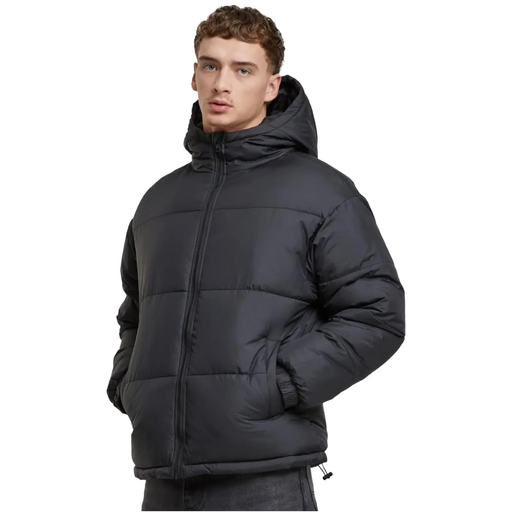
Why it suits this profile: This puffer jacket is designed for everyday wear and cold days in the city. The hood and polyester filling offer practical everyday protection without the need to choose a technical walking jacket.
The materials and washing instructions are clearly stated. However, don’t expect a specific waterproof rating, so this isn’t the jacket to choose solely for prolonged rain.
100% polyester filling, polyamide outer fabric, hood and machine washable at a low temperature, according to the product information.
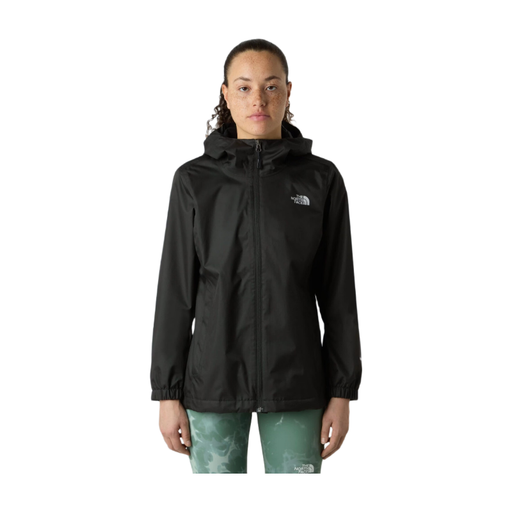
Why it suits this profile: According to the product description, this The North Face jacket is designed as a shell for walking and changeable weather. The women’s fit and adjustable features make it a good choice for those looking to combine protection with a smart finish.
According to The North Face’s own product information, this style has a fully sealed construction, adjustable hood and cuffs. Before buying, check the current size guide and care label.
DryVent fabric according to the product description, mesh lining, two zipped pockets and a drawcord at the hem.
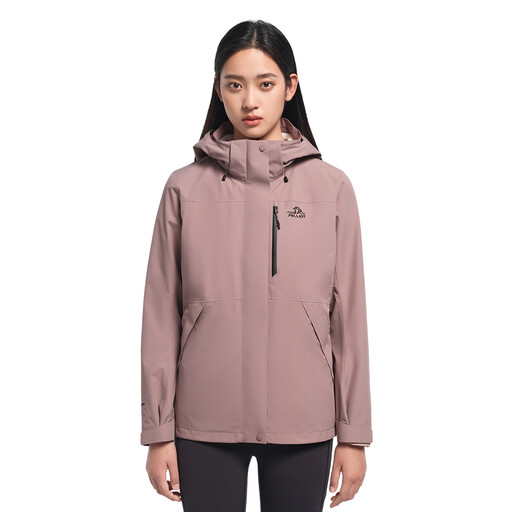
Why it suits this profile: The 3-in-1 design is suitable for camping, trekking and commuting, when the weather can change quickly. You can wear the outer layer, the lining or both together, as described in the product details.
The product description lists separate ways to wear the jacket, plus an adjustable hood, hem and cuffs. This lets you adjust the fit to accommodate layers, but be sure to check the detailed size guide carefully.
According to the brand description: 35.900 mm H₂O hydrostatic head, breathability of 16.000 g/m²/24 hours and a thermally insulating lining.
We’ve put together a comprehensive, up-to-date list of products that meet these strict selection criteria and the current European safety regulations.
Look for a stated hydrostatic head rating, sealed seams, a protected zip and an adjustable hood. A jacket with only a water-repellent coating is mainly designed for light or short showers. For prolonged rain, a technical shell is a better choice.
A fleece jacket can be comfortable in dry, cool weather. In wind or rain, fleece usually works better as a mid-layer under a windproof or waterproof jacket. This lets you adjust your layers to suit your activity and the temperature.
Its lifespan depends on how you use, wash and care for it, as well as how much friction it’s exposed to. Fasten zips and hook-and-loop fasteners before washing, follow the care label’s programme and avoid unsuitable heat. Over time, check the seams, cuffs and water-repellent finish. This gives you a more realistic idea of its condition than the original marketing claim alone.
