
Vandaag of morgen in huis

Kwaliteit gegarandeerd

Welkomstaanbiedingen ontgrendelen: GRATIS bezorging | Tot 80% korting | Gratis 30 dagen JoyPlus-proefperiode
Download de app
In the Netherlands, an outdoor jacket needs to do more than look good. Rain, wind, cold bike rides and changing temperatures call for the right combination of protection, warmth and freedom of movement. Even so, it is easy to pay too much for features you rarely use.
The main pitfalls when choosing outdoor jackets for women and men are:
When choosing a waterproof jacket, do not look only at the outer material. Also check whether the seams are taped or sealed, whether the zips offer protection and whether the hood is adjustable. A hardshell jacket is primarily designed as a protective outer layer against rain and wind. It usually provides little insulation, so it works well over a fleece jacket or lightweight padded layer.
Some products include a hydrostatic head rating. According to PELLIOT product information, certain 3-in-1 models have a stated hydrostatic head of 35,900 mm H₂O according to JIS. This is a brand product specification; your actual experience will also depend on the fit, wear and tear, care and exposure to rain.
If you walk, cycle or climb a mountain path, a jacket with a breathable construction helps release heat and moisture more quickly. Look for the MVTR value, expressed in grams per square metre over 24 hours. According to PELLIOT product information, certain models have a stated value of 16,000 g/m²/24 hours according to JIS.
A higher measured value does not automatically mean every wearer will feel drier. Your pace, humidity, base layers and ventilation zips also play a part. For intensive use, underarm zips, an adjustable hem and adjustable cuffs are practical additions.
A winter coat or insulated jacket is suitable when warmth is your main priority for everyday use. For changeable conditions, a 3-in-1 jacket is more flexible: you can wear the outer layer, inner layer or both together. A walking jacket without insulation is more useful when you prefer to build your own combination of layers.
Measure your chest, waist, hips and arm length according to the product’s size guide. Allow for:
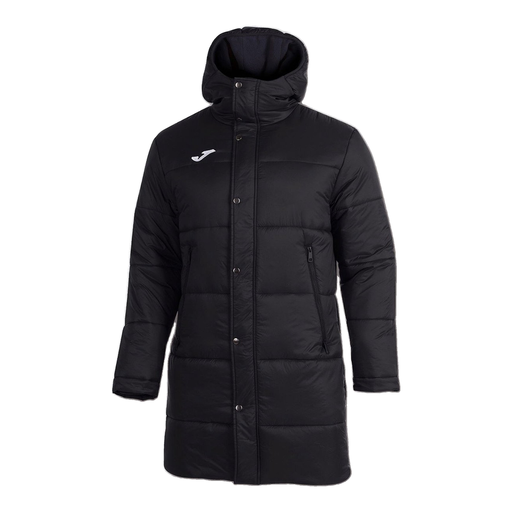
Why it suits this profile: This men's parka is designed for everyday use, cold conditions and straightforward protection against rain.
The product information specifies an insulated construction, adjustable hood and cuffs, so you do not have to rely solely on a vague marketing term.
100% nylon according to the product details, fleece lining, multiple pockets and a regular fit.

Why it suits this profile: A versatile system for anyone who regularly travels or walks and wants one jacket for different weather conditions.
According to the product description, the two layers can be worn separately or together. This means you do not need a separate jacket for every season.
Triclimate 3-in-1 system, taped outer seams, underarm zips and an inner layer with 550 fill power down insulation according to the product information.
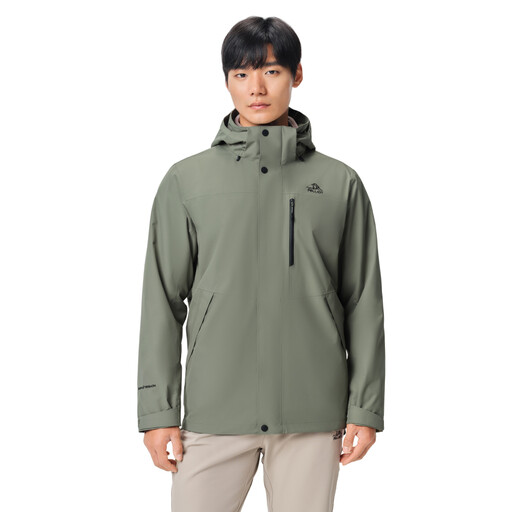
Why it suits this profile: Designed for camping, trekking and commuting, where wind, rain and wear and tear can all occur at once.
The product information lists layers that can be worn separately, adjustable elements and a stated level of abrasion resistance. Check these claims when buying and follow the care instructions.
3-in-1 design, stated hydrostatic head of 35,900 mm H₂O and MVTR of 16,000 g/m²/24 hours according to PELLIOT product information.
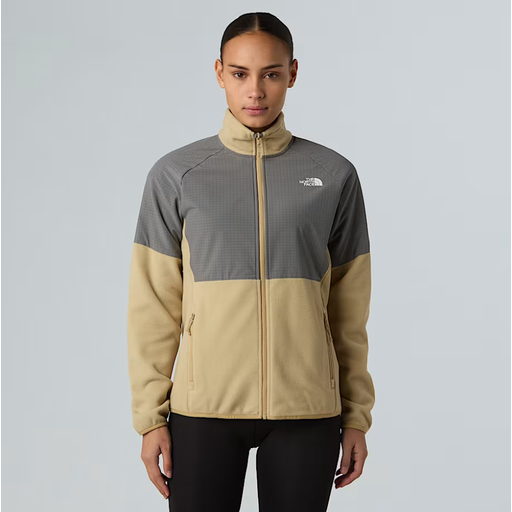
Why it suits this profile: A women's outdoor jacket for walking, camping and wearing layers beneath a protective outer jacket.
The product description presents this fleece jacket as a mid-layer rather than a complete waterproof jacket. This makes it clear which additional layer you need in wet weather.
100% polyester fleece according to the product details, full-length zip and compatibility with certain Triclimate systems.
Even a good jacket will lose its performance more quickly if it is washed incorrectly. Close zips and fasteners, use a mild detergent and always check the label. Many models must not be tumble-dried. For a jacket with a DWR finish, the manufacturer’s care information may sometimes allow low-heat treatment, but only if the label permits it.
Do not routinely wash a hardshell jacket with fabric conditioner. It can affect the performance of the finish. Hang the jacket up to dry completely before storing it, and check the seams, zips and coating at the end of the season.
We have put together a complete, up-to-date list of products that fully meet these strict selection criteria and the applicable European safety regulations.
A walking jacket is often designed with freedom of movement, low weight and breathability in mind. A winter coat usually has more insulation and is suitable for spending longer periods in cold conditions. For changeable weather, a 3-in-1 jacket may be more practical.
No. Fleece is generally an insulating mid-layer, not full protection from the rain. In wet weather, wear a waterproof or hardshell jacket over your fleece.
Use the chest, waist, hip and arm-length measurements in the product-specific size guide. Allow room for a base layer and, if necessary, a fleece jacket. If you are between two sizes, the larger size is often more practical for layering, but also check the length of the sleeves and hem.
