
Vandaag of morgen in huis

Kwaliteit gegarandeerd

Welkomstaanbiedingen ontgrendelen: GRATIS bezorging | Tot 80% korting | Gratis 30 dagen JoyPlus-proefperiode
Download de app
A jacket may look great in a product photo, yet disappoint in everyday conditions in the Netherlands. Think of a hood that blows off, not enough room for a jumper or an outer layer that performs less well after a few washes. When looking for outdoor jackets, you should therefore compare more than just colour and brand. Material, fit and intended use are just as important.
A waterproof jacket, windproof jacket, fleece jacket or 3-in-1 jacket each serves a different purpose. For example, a long women’s coat for commuting does not need to offer the same features as a walking jacket for a wet autumn hike.
A Durable Water-Repellent finish, often abbreviated to DWR, helps raindrops roll off the surface. This does not automatically mean that the jacket will keep out prolonged rain. Check whether the product description also mentions a membrane, taped seams or a hydrostatic head rating.
Also pay attention to the zips and seams. A jacket may have waterproof fabric but still let moisture through at unsealed seams or around an exposed zip construction.
A thick winter coat is not always practical for walking or cycling. During physical activity, heat can build up, while a lightweight waterproof jacket offers little insulation. A 3-in-1 jacket usually consists of an outer layer and a removable inner layer. You can wear them separately or together, depending on the temperature and rainfall.
When choosing a women’s outdoor jacket or men’s outdoor jacket, check how much room remains for a fleece jacket or jumper. A jacket that is too tight restricts your freedom of movement and makes layering less comfortable.
Sizes vary between brands and models. Don’t just look at S, M or L. Compare the chest, waist, hip and sleeve measurements with your own measurements. For a walking jacket, freedom of movement around the shoulders is particularly important. With a trench coat, the desired length and fit may be more important.
Hydrostatic head is expressed in millimetres of water pressure. A higher figure indicates greater resistance to water pressure, but performance in practice also depends on seams, zips, wear and maintenance. Treat a stated figure as one part of the comparison, rather than a guarantee for every weather condition.
According to the product description, the PELLIOT fleece-lined women’s jacket has a hydrostatic head of 35.900 mm H₂O and breathability of 16.000 g/m²/24 hours. These are product specifications taken from the brand and seller information. Always check whether the values apply to the outer fabric, a specific test method and the complete garment.
Breathability is important when you walk, cycle or wear a jacket while commuting. A mesh lining, ventilation zips and a well-fitting base layer can help reduce the feeling of dampness. Pay attention to the test method: figures are only directly comparable when they have been measured according to the same standard.
A drawcord hood, adjustable cuffs and a drawcord at the hem help you adjust the fit. High collars and a chin guard can also be useful in windy conditions. Check whether the jacket has pockets large enough for keys, a phone or gloves.
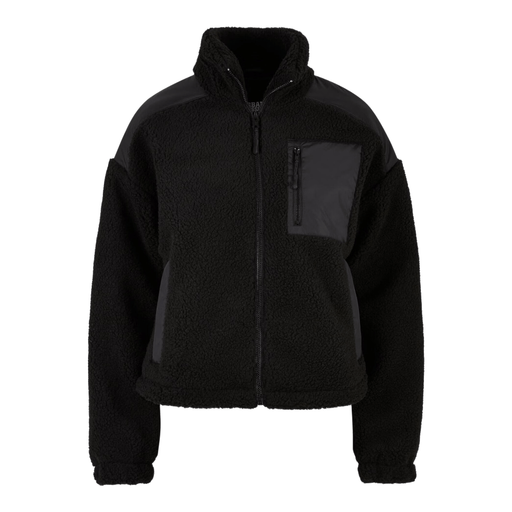
Why it suits this profile: This women’s jacket is designed for everyday use and combines an oversized fit with sherpa and nylon panels. That makes it suitable for shopping, travel and city wear in cooler weather.
The description does not claim waterproof performance. This makes it clear that it is not a rain jacket and that you can choose it specifically for dry, cool weather.
Sherpa lining, mesh lining, high collar, elasticated cuffs and multiple zipped pockets.

Why it suits this profile: This women’s outdoor jacket is designed for walking and changing conditions. The product description mentions DryVent fabric, a mesh lining and an adjustable hood.
According to the product description, the seams are fully sealed and the fabric is waterproof and windproof. However, check the latest care instructions before buying.
100% polyester outer layer, adjustable hem, elasticated cuffs and two zipped pockets.
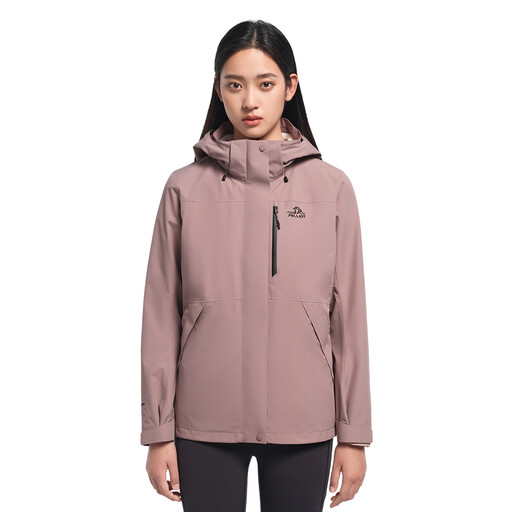
Why it suits this profile: The 3-in-1 design is practical for camping, trekking and everyday commuting. You can wear the outer layer, inner layer or both together.
According to the product description, it has a hydrostatic head of 35.900 mm H₂O, breathability of 16.000 g/m²/24 hours and more than 40.000 abrasion cycles. Treat these brand claims as product specifications to compare.
Adjustable hood, hem and cuffs; fleece-lined inner layer; suitable for multiple wearing configurations.
We’ve put together a complete, up-to-date list of products that fully meet these strict selection criteria and the applicable European safety regulations.
When buying a women’s jacket or men’s jacket, always use the size chart for the specific product. Measure your chest while wearing a thin shirt and allow room for a fleece jacket or other mid layer. With a jacket for intensive walking, the sleeves should not ride up when you move your arms forwards.
Care affects performance. Follow the care label, fasten zips before washing and do not use bleach unless permitted. According to the product description, a DWR finish on some models can be reactivated or reapplied. Only do this in accordance with the manufacturer’s instructions.
A rain jacket that is folded frequently requires different care from a cotton trench coat. According to the product information, the Tommy Hilfiger Heritage Single Breasted Trench Women Midnight S is made from 100% cotton and is intended as a stylish coat for casual and formal occasions. The description does not state a specific waterproof rating. Therefore, check the product details for this trench coat before using it as a rain jacket.
For regular walking, choose an outer layer with stated water and wind protection, adjustable features and enough room for layers. For everyday use, a windproof jacket or fleece jacket may be sufficient if you mainly travel short distances and use an umbrella when it rains.
Not necessarily. A 3-in-1 jacket offers several ways to wear it, but warmth depends on the insulation, fit and combination of layers. Check which material is used in the inner layer and whether it can be worn separately.
That depends on how it is used, friction, washing and storage. A jacket that regularly rubs against rough rocks or branches will wear out faster than one used for commuting. Check the seams, zips and coating regularly, and follow the care label to preserve the material’s properties as effectively as possible.
